Resources
Screenwriting Credits Explained
Writer credits are complicated, and unpacking them for any particular project may be an impossible task without talking directly to those involved.
Resources
Writer credits are complicated, and unpacking them for any particular project may be an impossible task without talking directly to those involved.
Resources
John tackles a difficult question for writers who wonder how long is too long to keep trying.
Resources
John surveyed current and former TV assistants to create a document that is both specific to the world of television and also can broadly apply as a template for how to be a better boss.
Inneresting
John talks about knowing what medium would best suite the story you're trying to tell.
Resources
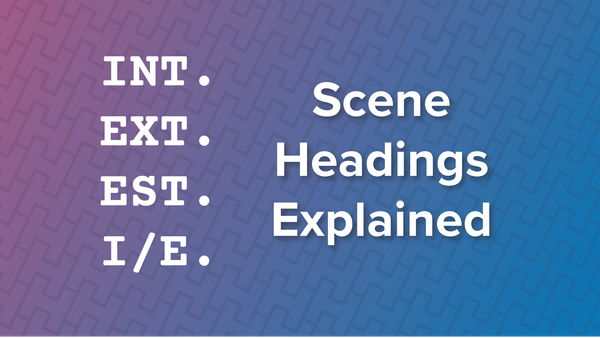
In screenplay scene headings, INT. and EXT. stand for interior and exterior, respectively. You use INT. when the scene takes place inside a location and EXT. when it occurs outside.
Resources
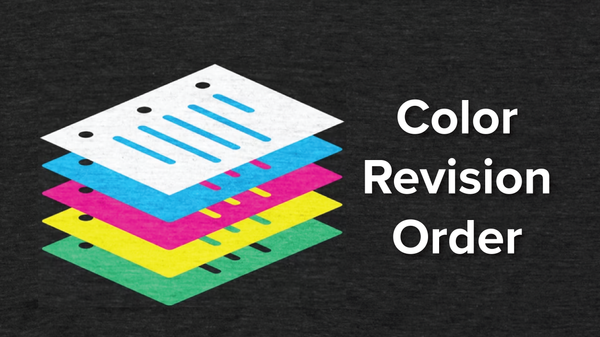
Colored pages are used in film and television to keep track of revisions to a script as it goes into production.
Resources
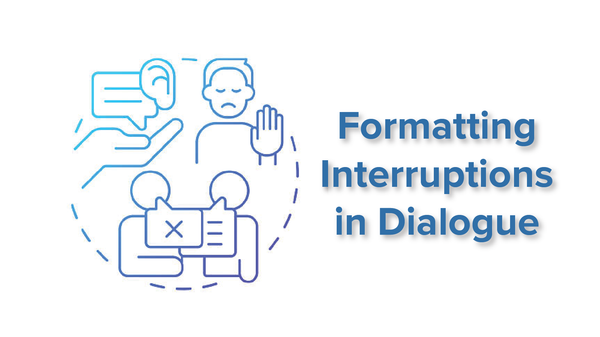
One easy way to show one character interrupting another is to use double-dashes or an ellipsis to indicate the first character’s dialogue is being interrupted.
Resources
V.O. (voice over) and O.S. (off-screen) are similar terms, but they have slightly different applications.
Resources
John talks about how to define those moments when the writing isn’t happening when you need it to.
Resources
John looks back at the Writers Guild contract negotiations with the AMPTP, and explains an important part of how screenwriters are paid for their work.
Resources
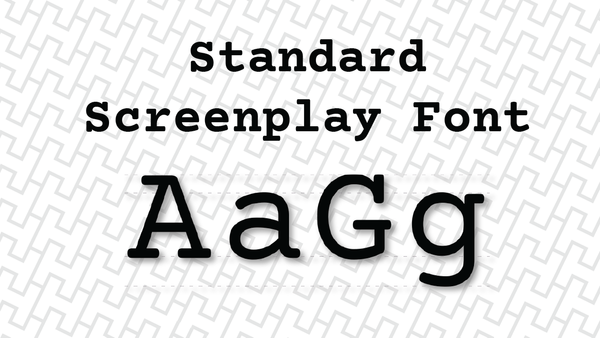
Yes. Screenplays are written in 12-point Courier, or a slight variation (Courier Prime, Courier New, Courier Final Draft, etc). Courier is a fixed-pitch font, meaning each character and space is exactly the same width. Since standard screenplay format is designed so one page equals approximately one minute of screen time,
Resources
There is no hard and fast rule for how to format montages in screenplays. As with all formatting, the goal is to express what’s happening on screen as clearly and simply as possible, without breaking up the flow of the screenplay or taking your reader out of the script.