❓ #281 - Why exactly are you doing this?
Have you found your story's guiding star? How do you know if you've latched on to something that will keep you writing to the end?

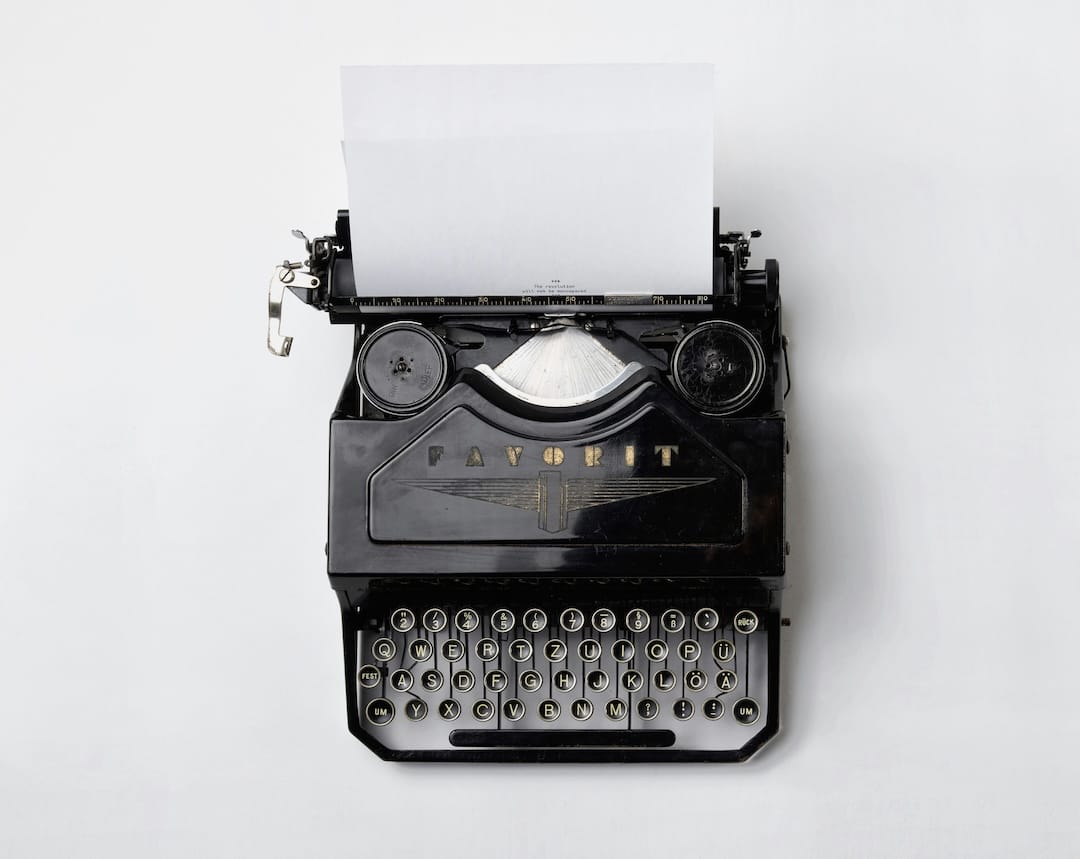
Inspiration is great, but enthusiasm can wane. To finish a project, you need something more enduring. Start by figuring out what’s compelling your idea.
Guiseppe Penone narrates the creation of a drawing for MoMA, explaining the inspiration that would fuel spending five days expanding the size of a fingerprint to cover a wall.
Coming from a different perspective that questions if the intent warranted the execution, Patrick Rhone and his daughter spend time with Mark Mothersbaugh's sculpture "Ruby Kusturd." Spoiler: Teenagers know how to keep a critique brief.
Andrew from The Art of Storytelling takes a look at Peter Jackson's Lord of the Rings trilogy to better understand what it shows as the overall moral of the story, and how omissions and additions from the source material shape the meaning. The Prism questions Donnie Darko, suggesting that a film about time travel and fate could be a narrative about society conditioning teenagers to see themselves as expendable as a way to exploit them.
Steve Shives shines a light on the multiple ways Star Trek has used various episodes throughout it’s entire franchise to showcase aspects of how fascism installs itself, perpetuates itself, and suggests that fascism is always doomed to failure because of its reliance on lies and creating division. The repetition of this theme across decades shows how naming and dismantling fascism is a core value of the series.
Static Wonderland flashes back to the origins of Cartoon Network, and shows how its development of in-house bumpers between shows served a simple purpose until reaching an apotheosis with The Scooby-Doo Project.
The 2nd Dimension collects interviews with the creators of the Ducktales reboot to draw our attention to One Perfect Scene from Season 1. The explanation pays special attention to how the different motivations behind the scene, episode, and series converge in a heartbreaking moment of emotional damage that sets up a chance for redemption in the season finale.
If you get stuck in the doldrums while writing something, do you have a guiding star to navigate by? Have you put it in words? Have you put those words somewhere you can see while you work?
Knowing that motivation can be an important test for what fits, and what gets cut.
👋 Are you new here?
Inneresting is a weekly newsletter about writing and things that are interesting to writers. Subscribe now to get more Inneresting things sent to your inbox.
And if you can't wait until next week for more Inneresting, check out the Quote-Unquote Apps Blog where we keep previous issues and other posts about screenwriting and things interesting to screenwriters.
In case you missed it...
In the most clicked link from our last issue, Cal Newport posts on influencers demonstrating their complicated daily routines where a creator insults their audience's intelligence and steals their attention.
What else is Inneresting?
- It's a website where you draw a horse and watch it run. That's it. It's great.
- ICYMI, this week we shared a Villaintine's Month blog on Amadeus and strategies for centering a villainous protagonist.
- WikiFlix: A free, no sign-up required site for streaming films in the public domain.
And that’s what’s inneresting this week!
Inneresting is edited by Chris Csont, with contributions from readers like you and the entire Quote-Unquote team.
Are you enjoying this newsletter?
📧 Forward it to a friend and suggest they check it out.
🔗 Share a link to this post on social media.
🗣 Have ideas for future topics (or just want to say hello)? Reach out to Chris via email at inneresting@johnaugust.com, Bluesky @ccsont.bsky.social, or Mastodon @ccsont@mastodon.art
If you don't know what to write...
put your protagonist in an empty room with absolutely no way out, and don't stop the scene or cut away until you're absolutely certain they've run out of ways to try and escape.