🎨 #283 - Expanding your palette
This week's newsletter features links and examples highlighting how screenwriters can target descriptions of color to create vivid imagery and memorable motifs.

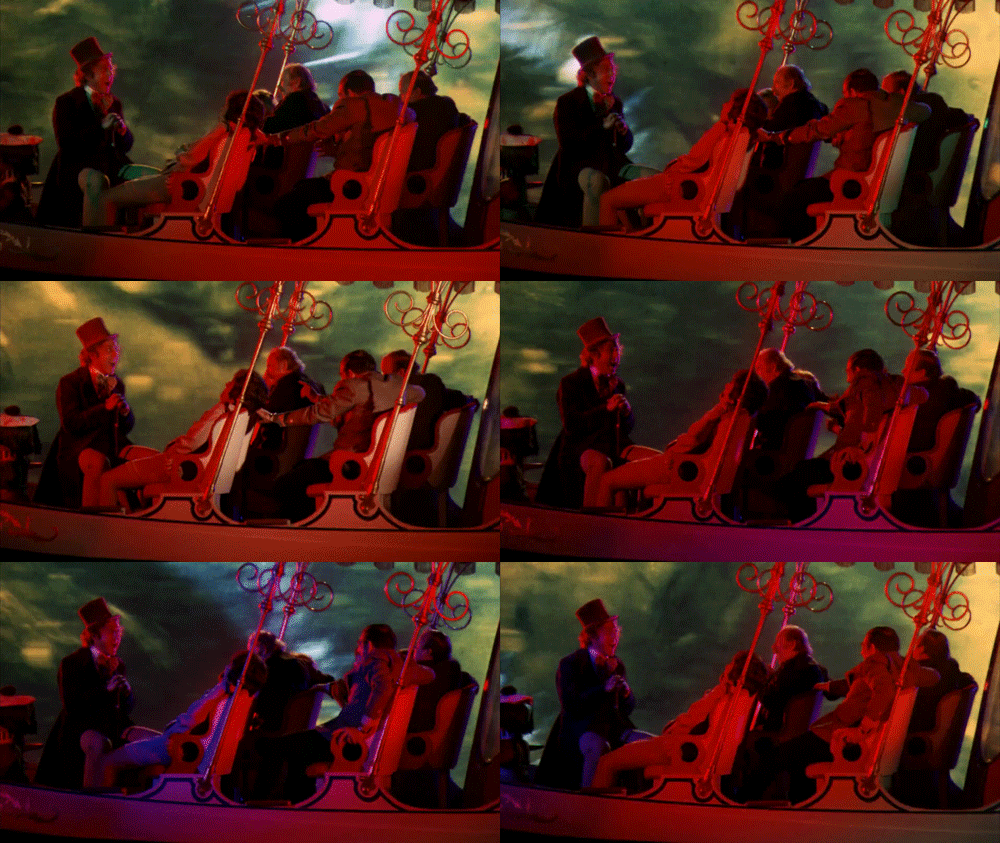
Kate Torgofvnick May points to multiple examples to argue that color in visual storytelling is a way to help simplify complex stories. Creating color associations for the audience helps link things together in their minds, or using contrast highlights the ways in which something should be noticed as unique or important to the story.
Some writers might flinch, fearing that they're "directing on the page," "doing somebody else's job," or "overstepping what screenwriting is supposed to do" when looking to work a story's colors directly into the page.
This week we're going to look at some direct examples from scripts to help you give yourself permission to write in color, and suggest strategies for setting the (pan)tone of your story.
The Matrix
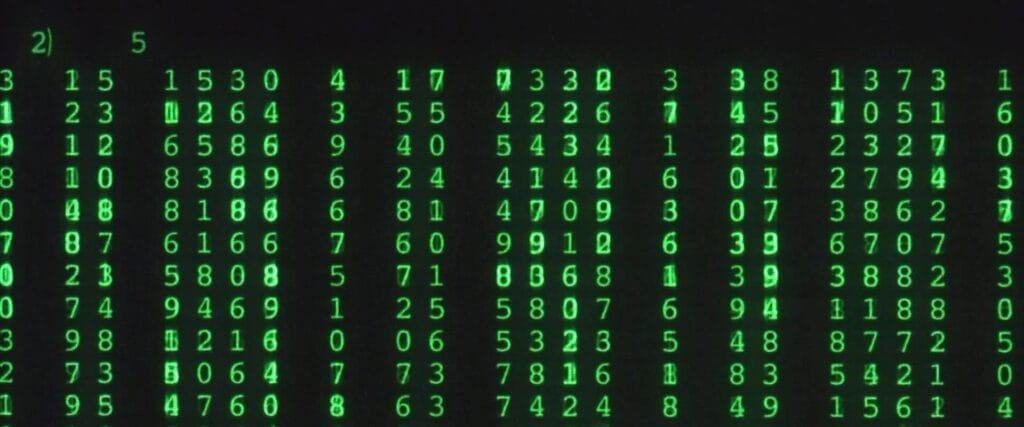
Part of what defines the look of this film comes from the green-hue of the world inside the Matrix. But did Lana and Lilly Wachowski mention every single time that things were supposed to look green, or spend paragraphs describing the effect?
Nope. They still directly called out the color, but in a way that doesn't feel repetitive.
The script starts with voices over black, gradually showing some computer screen text. And then this:
The entire screen with racing columns of numbers. Shimmering like green-electric rivers, they rush at a 10-digit phone number in the top corner.
And moments later:
We begin MOVING TOWARD the screen, CLOSING IN as each digit is matched, one by one, snapping into place like the wheels of a slot machine.
We MOVE STILL CLOSER, the ELECTRIC HUM of the green NUMBERS GROWING into an ominous ROAR.
She hangs up as we PASS THROUGH the numbers, entering the nether world of the computer screen. Suddenly, a flash-light cuts open the darkness and we find ourselves in --
The first mention of green associates it with the information on the computer screen. So it's understood that each time we see these numbers, that's the color. But it's the last chunk of text, where it mentions passing through the numbers that suggests to the reader that this electric green stays with us as we move to the next scene inside the computer.
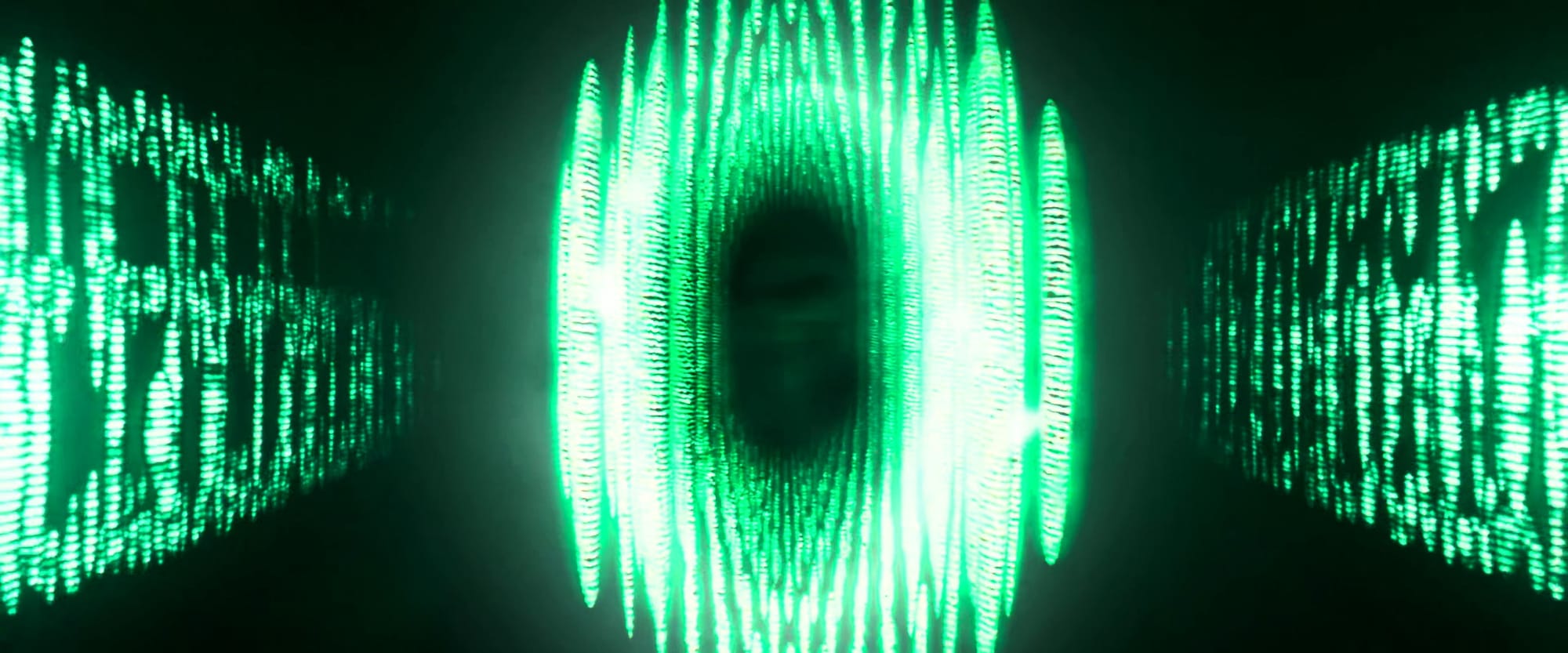
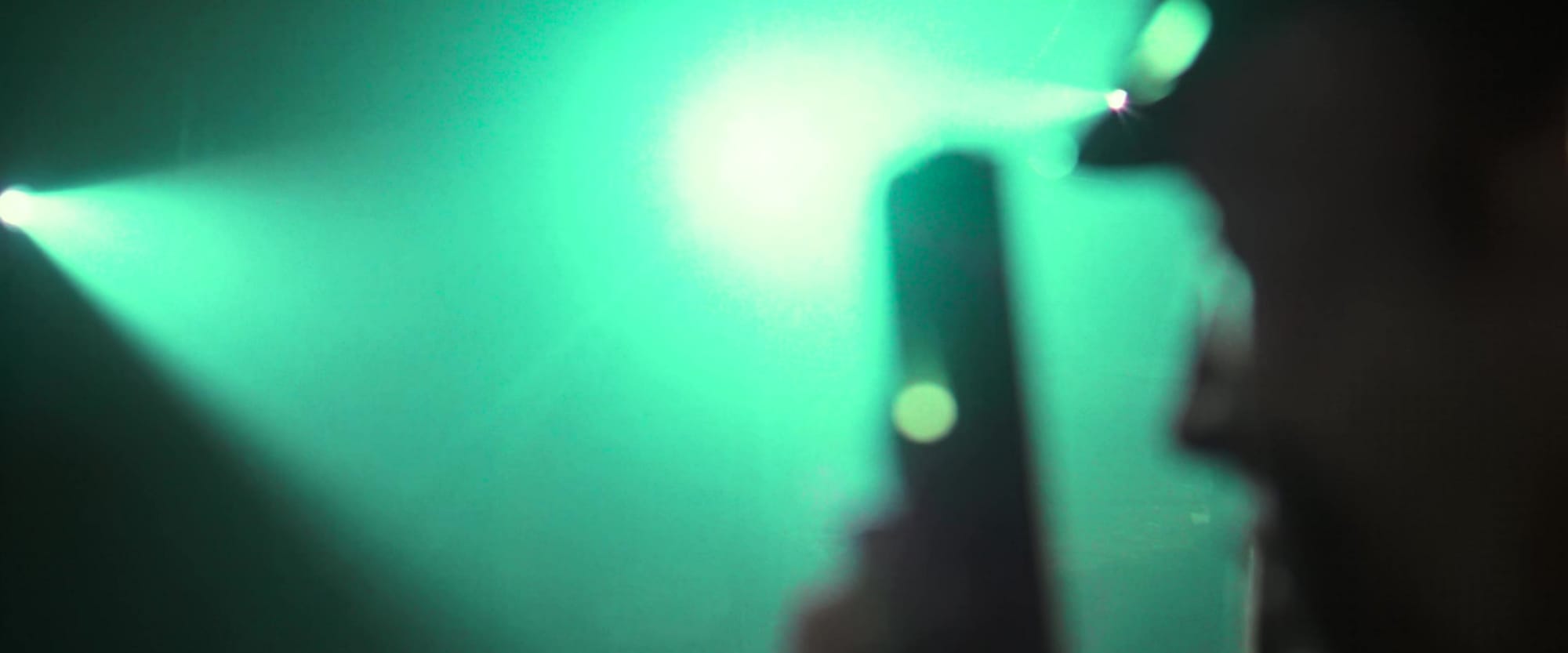
The color pops up on the page again in a few places where the story is about to hammer home that This Is A Simulated World and you're about to see something weird. Like right before Neo has the "bug" pulled out of his stomach by Trinity and Switch:
EXT. DARK STREET
A moment later the green street lights curve over the car's tinted windshield as it rushes through the wet underworld.
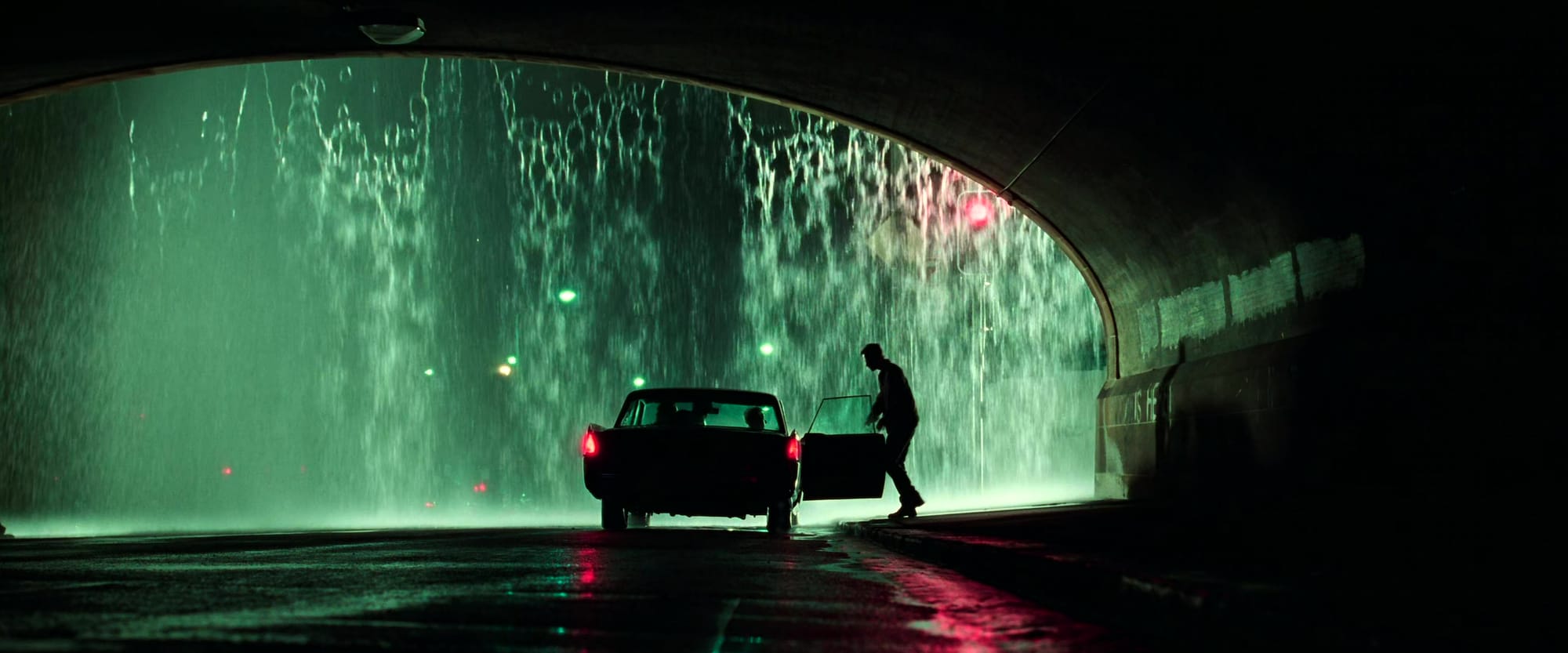
Or when Neo has his first experience with deja vu inside the Matrix:
Neo notices a black cat, a yellow-green eyed shadow that slinks past them and pads quickly down the stairs.
The script has a primary color, and while there are many more uses of it than what you see in the script, the pages call it out just enough to make the association between the world inside the computer and the color green clear to the reader.
Barbie
Let's pull a few lines from the early pages of Greta Gerwig & Noah Baumbach's script:
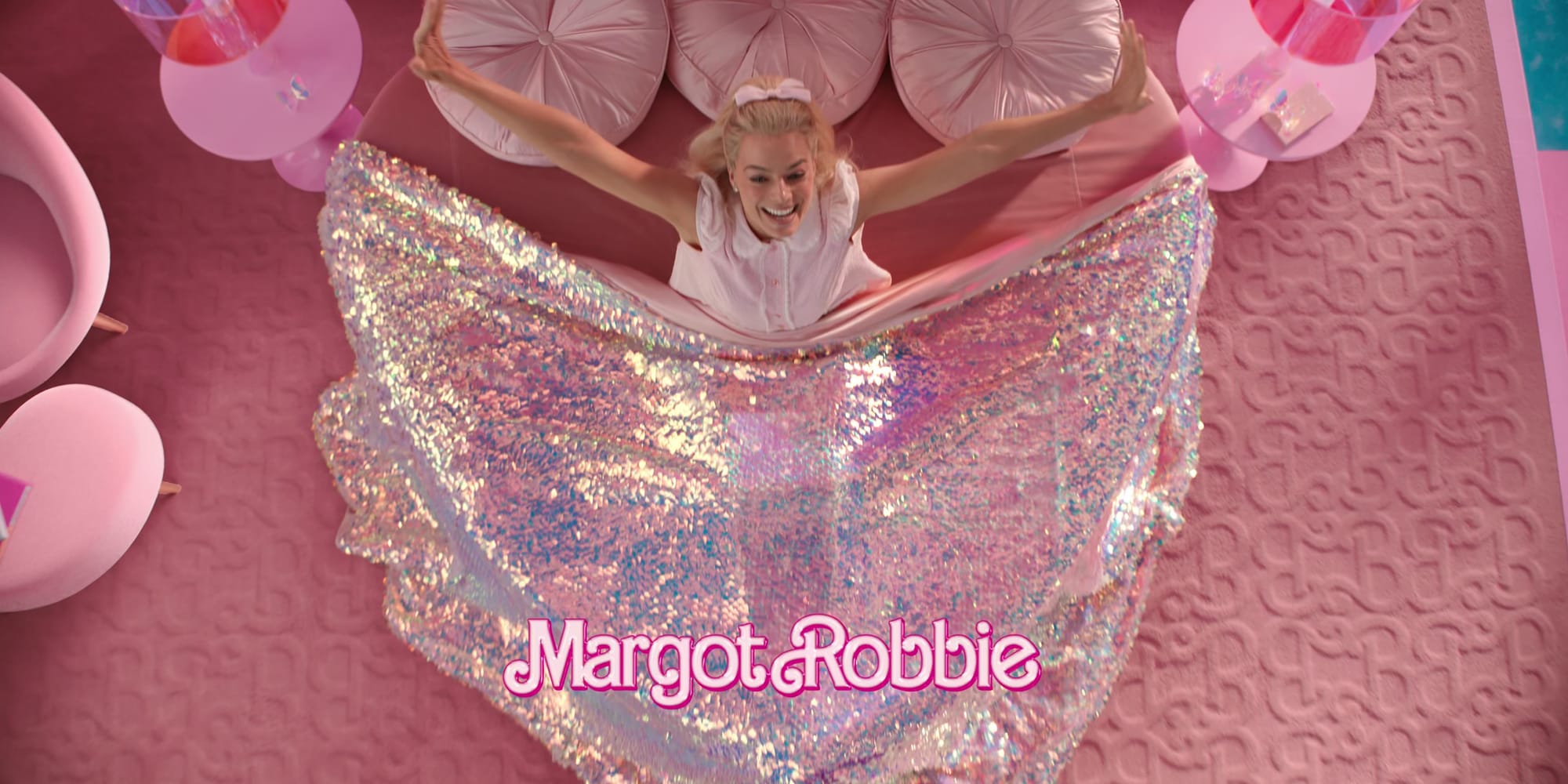
Barbie Margot wakes up in her pink Dreamhouse. Everything is perfect. Of course. This whole sequence is like a movie- musical of the best life ever.
...
In every OTHER Dreamhouse, all the Barbies are having their perfect morning. It’s a Barbie Ballet.
...
Barbie Margot drives past the Barbie White House which is, of course, pink.
INT. BARBIE OVAL OFFICE. LIGHT PINK HOUSE. DAY
Before you extrapolate from this, let's get one thing clear: The word "pink" is only used in the entire screenplay about 11 times. That's a pretty wide pink on screen to pink on the page ratio.
But look at the way that the narration on the page makes it fun and lets the reader in on the joke. It establishes that Barbie Margot's Dreamhouse is pink, and by extension, all the other Dreamhouses in the neighborhood must be pink.
The Barbie Land version of the White House? Even the scene heading refers to it as the LIGHT PINK HOUSE.
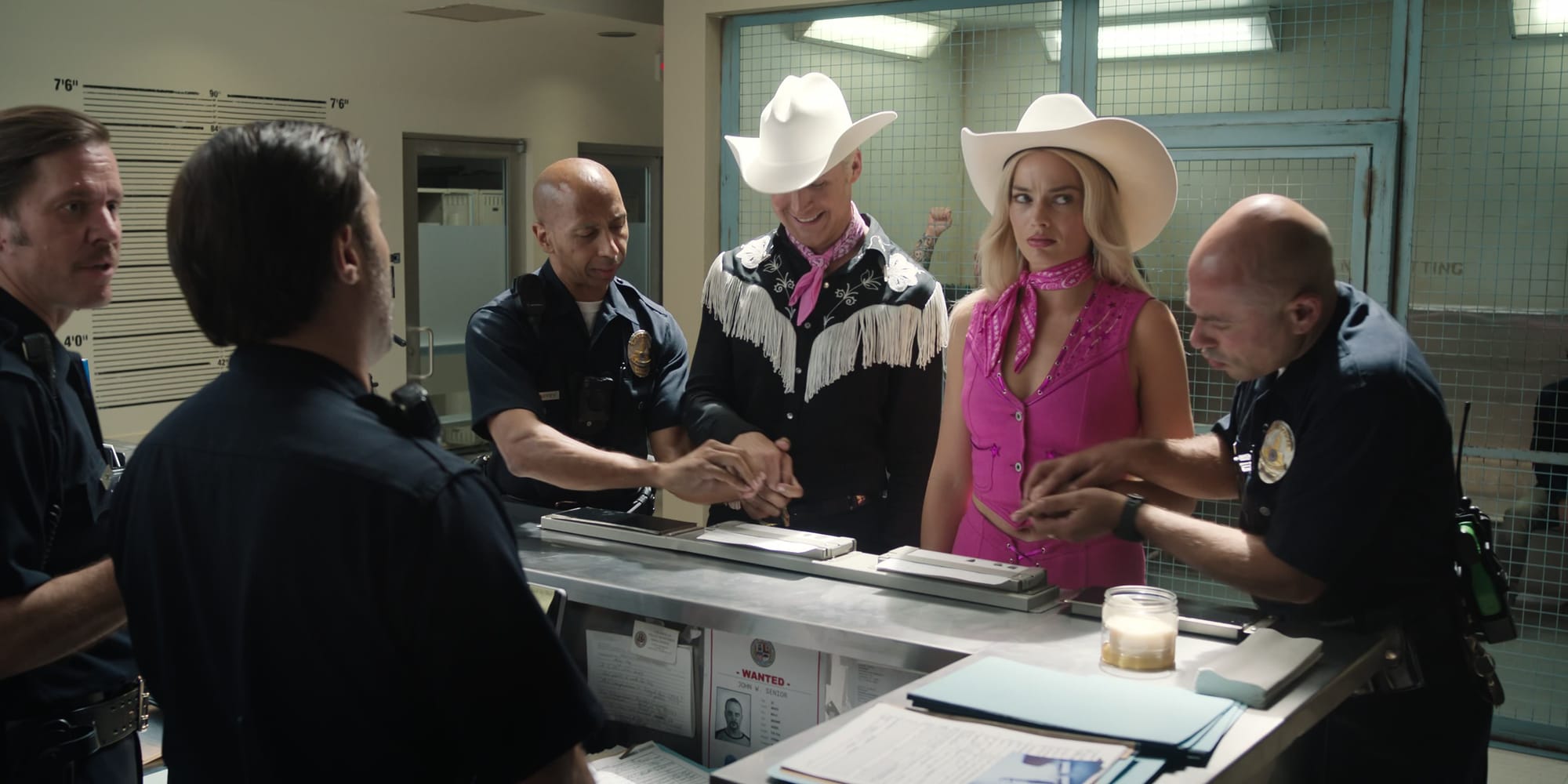
Where the script leans into more direct, specific callouts for the color is when Barbie Margot and Ken Ryan Gosling head into The Real World. These moments highlight a sense of how something Barbie coded sticks out like a sore thumb in reality. For example:
Ken Ryan Gosling exits wearing all denim with fringe and a cowboy hat, followed by Barbie Margot, who wears a pink cowgirl outfit. ALL the security lights and bells go, but they are oblivious.
...
A woman, Gloria, sits at a reception desk. She’s in her late 30s, but has something of the kid in her, a pair of pink shoes? We love her! She is drawing the sketch.
Barbie chooses a bright pink outfit when trying to blend in in the real world (and it does not work). Gloria's pink shoes connect her to a spirit of playfulness, kid energy, and show a strong connection to Barbie. It's a useful detail called out in a fun way.
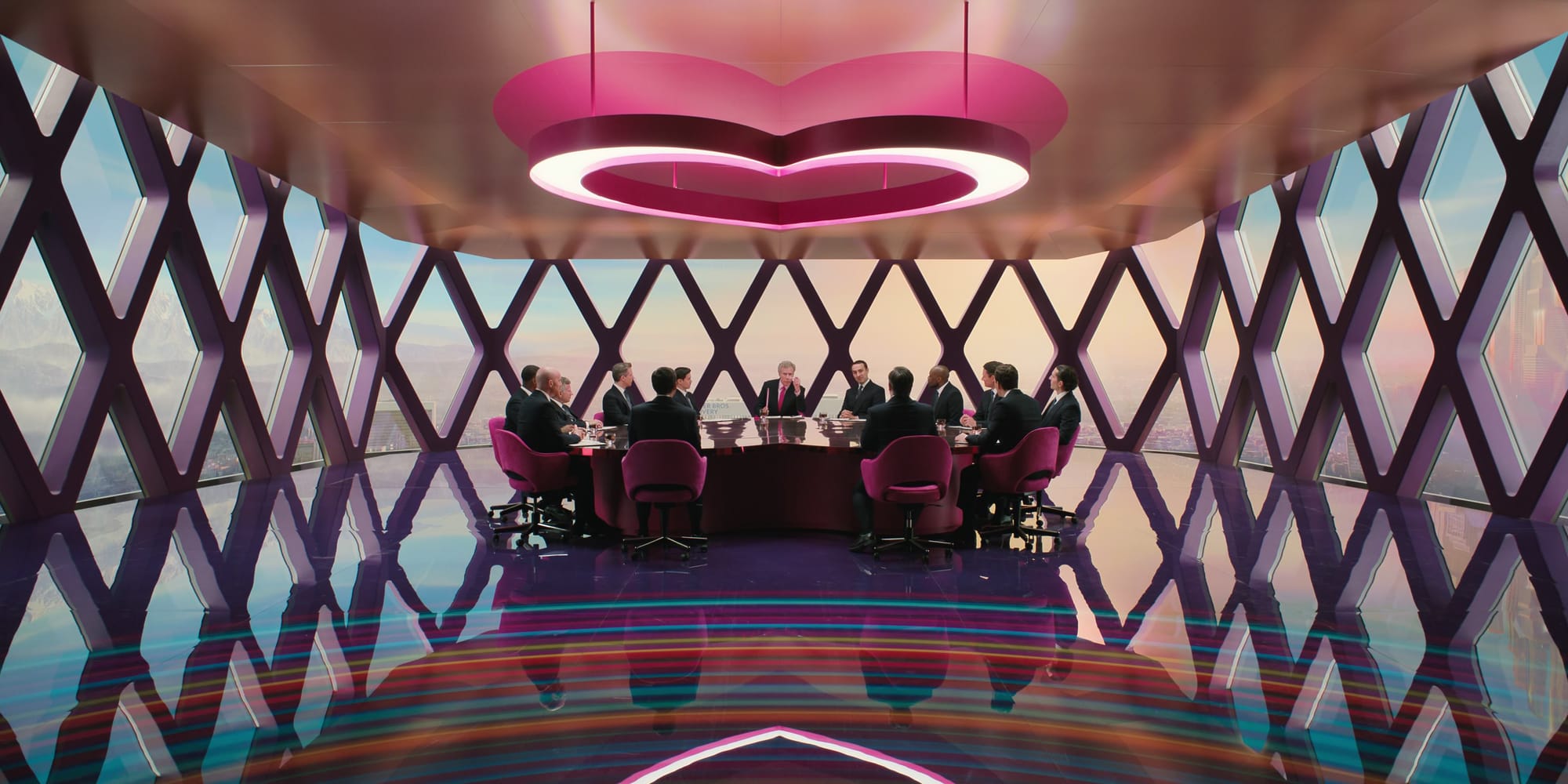
And then there's the ironic use of the color, like the description of the Mattel board room, which is populated entirely by men in black suits:
INT. MATTEL HEADQUARTERS. BOARDROOM
He opens a door to a giant PINK GLITTERY board room. It’s like the inside of a 5 year old girl’s sparkly heart.
MATTEL CEO
(true believer)
Always be empowering girls! Always! What do we really sell? We sell dreams! Imagination! And sparkle! When you think of sparkle, what do you think after that?
He doesn’t wait for an answer, already so pumped to say:
MATTEL CEO
Female agency.
The Sixth Sense
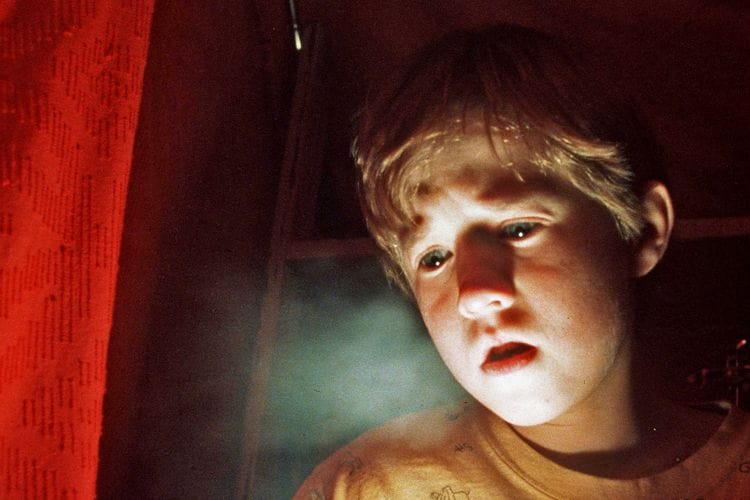
There are precious few moments when the color red is directly called out in M. Night Shyamalan's script, but those times coincide with moments when Cole Sear is about to experience a visitation from a ghost.
Take a look at the description of the tent in his bedroom, moments before a ghost appears:
INT. TENT - NIGHT
Cole is curled up in the tent. He lays still for a moment reaching over and FLICKING ON A FLASHLIGHT.
The red interior of the tent gets LIT UP.
It’s a striking sight. The bedsheet walls of the tent are lined with religious pictures taped to the walls. Tiny statues of saints surround the interior perimeter. We see the statue Cole stole from the church is in here... This tent is a sanctuary made by an eight-year-old to hide in.
Not only does it call out the color, but it creates a strong image of Cole surrounding himself with that color, and then it further makes it pop both in the final image and on the page when the flashlight turns on.
From the end of the film, when Cole finally tells his mom about his ability to see ghosts, look at the setup on the page and how even though the word red only appears once, there are multiple red objects mentioned in the description, making the color inescapable:
Police flares guide the cars as they crawl by.
Lynn gazes out the windshield at the line of red tail lights. Beat.
A WOMAN IN HER LATE FORTIES, HELMET CRACKED, HAIR MATTED WITH RAIN AND BLOOD, STANDS STARING THROUGH COLE’S PASSENGER WINDOW.
Road flares. Tail lights. Blood. Now watch the scene as it plays out in the finished film:
Okay, give yourself a moment to cry, and then come back for some --
Takeaways
- Picking a primary color can help reinforce connections between scenes even when they're not immediately obvious. Is there a throughline in your story that offers opportunities to pointing to a particular color?
- You don't need to mark in all the hex values for every color you'd like to see. The fewer colors you draw attention to, the more they stand out on the page.
- Think about the language you use when introducing a color you're going to return to often. How can your descriptions and the action within a scene help point a big arrow for the reader that announces the color's importance?
👋 Are you new here?
Inneresting is a weekly newsletter about writing and things that are interesting to writers. Subscribe now to get more Inneresting things sent to your inbox.
And if you can't wait until next week for more Inneresting, check out the Quote-Unquote Apps Blog where we keep previous issues and other posts about screenwriting and things interesting to screenwriters.
Feel more creative for less
The App Store presents the Creative Favorites Collection with discounts up to 50% off: treat yourself to these standout titles, discounted for a limited time.
The best part: Highland Pro is 33% off for first time users!
Click here to take advantage of this limited time promo. Offer ends March 1st.
In case you missed it...
In the most clicked link from our last issue, we shined a spotlight on WikiFlix: A free, no sign-up required site for streaming films in the public domain.
What else is Inneresting?
- Sometimes it’s hard to write even when you know writing feels good. Jesse Raub shares about the title card bout of his inner conflict: MS & Depression vs. Protestant Work Ethic.
- “The wall looks permanent until it comes down.” – Adam Bonica shows us what America could look like if it followed the example of its peer nations, and how America’s problems are mainly solved problems.
- Kyle Chayka with a playfully formatted essay on the continued influence of the images from Wong Kar-Wai’s In the Mood for Love.
And that’s what’s inneresting this week!
Inneresting is edited by Chris Csont, with contributions from readers like you and the entire Quote-Unquote team.
Are you enjoying this newsletter?
📧 Forward it to a friend and suggest they check it out.
🔗 Share a link to this post on social media.
🗣 Have ideas for future topics (or just want to say hello)? Reach out to Chris via email at inneresting@johnaugust.com, Bluesky @ccsont.bsky.social, or Mastodon @ccsont@mastodon.art
If you don't know what to write...
tell a character's most embarrassing story. What's that intrusive memory that makes them cringe if they even suspect it might get brought up? Why does it specifically bother them?