❤️🩹 #285 - It's gonna hurt, and that's okay.
What makes a character afraid to open up to those around them? Why do closed-off characters fear vulnerability, and how can a writer challenge that? We look at examples in this week's newsletter.


Vulnerability. It can feel like opening a door to invite another person inside, or like queasily exposing your weak point and praying someone doesn't attack it for massive damage. And just like characters may shield themselves from others, writers can become overprotective of themselves or their work.
Every person has a unique, separate identity from the rest of the world. Anything a person shares from within themselves is a choice. Building up walls and avoiding sharing of themselves is also a choice.
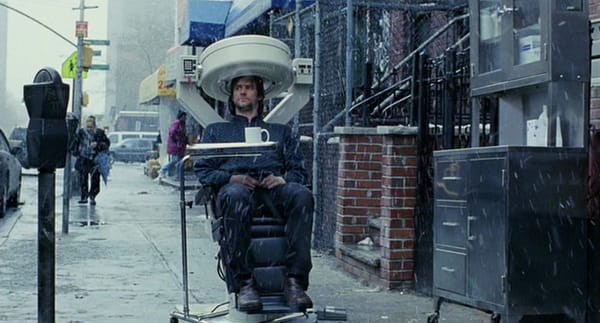
Maria Popova consults a book by Adam Philips examining how allowing oneself to be vulnerable means breaking behavioral patterns that help one feel safe.
Final Push digs in on how John Wick starts by setting up the vulnerability (both physical and emotional) of its title character. The tension between his ability to be hurt and the fear he generates in others creates a shifting balance that keeps viewers invested. Wick isn’t an invulnerable killer out for target practice. He bleeds, he reloads, he makes mistakes. But he never stops.
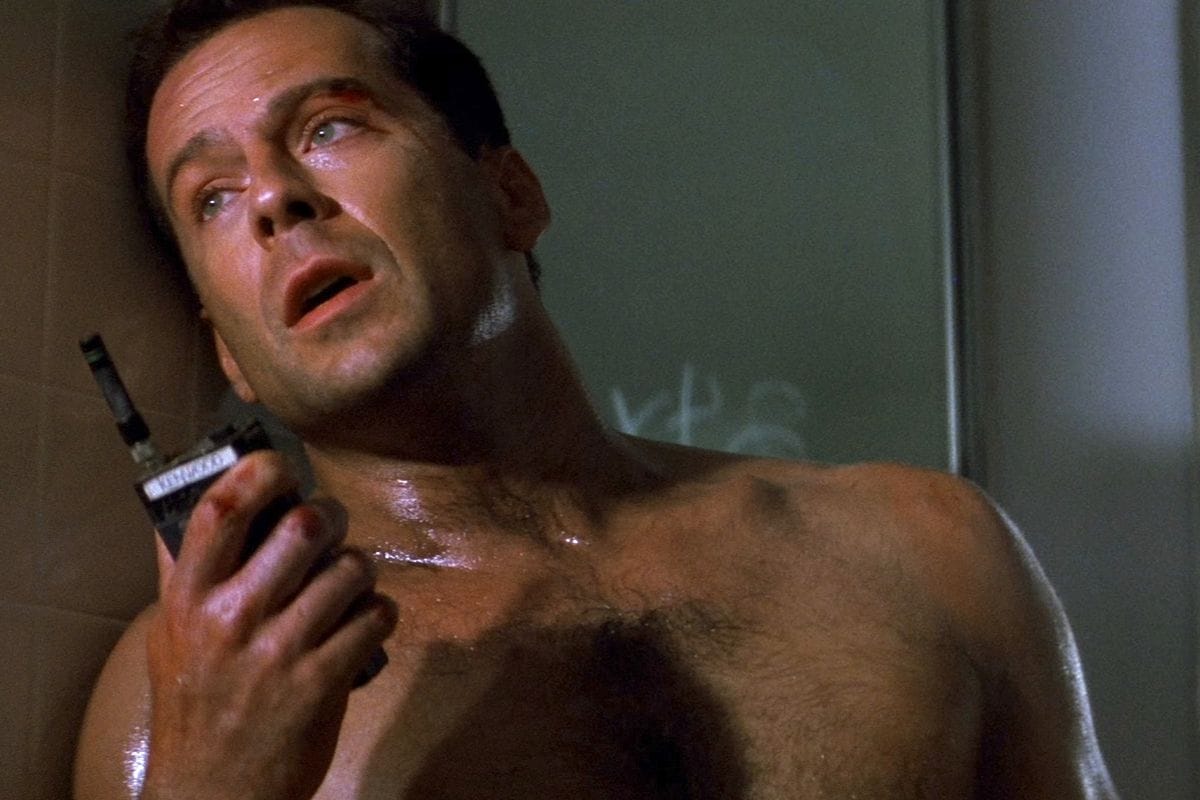
See also: Die Hard, which takes a similar tactic in narrative structure and front-loads the tension in John McClaine's marriage before asking him to cowboy up and walk on broken glass. John and Craig take a deep dive on the film in Scriptnotes episode 527.
Showing vulnerability or a lack thereof isn’t a binary. A writer has fewer dramatic opportunities with a static, closed-off character. Without attempts to pierce that protective shell, a protagonist becomes less human and more like a physics problem. They have momentum, but no anima.
Mr. Obsidian breaks down Jeff Winger from Community, showing how the varying degrees of emotional armor he wears over the run of the show paints a realistic portrayal of someone learning to feel safe enough to allow others to see him at his most vulnerable. There is no straight line where every episode slowly chips away at the facade. There are steps forward, regressions, and inconsistencies of behavior that demonstrate the difficulty in letting go of a defense mechanism that cloaks deeply held fears.
Silver YXU sings the praises of Ted Lasso’s Jamie Tartt as a dynamic character and how his challenges learning to become a team player parallel to him learning to accept the safety that Ted’s coaching provides makes it possible for him to transition from a talented but toxic one-man-show into a supportive (and supported) teammate.
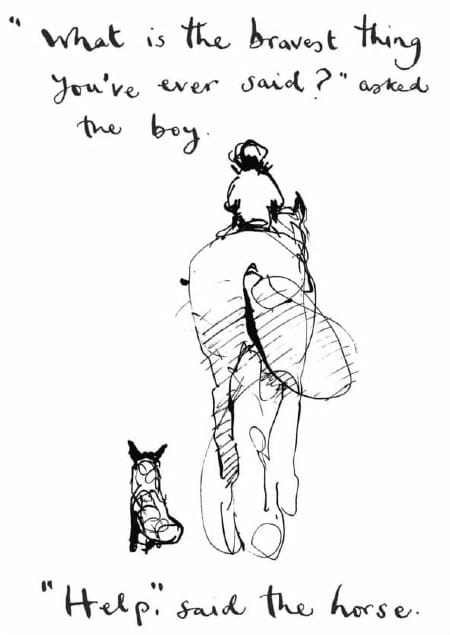
And if you need that last little push to open yourself up without fear, try James McCrae’s poem Instructions before visiting Earth, with the option to read it yourself or listen to it (if you’re not opposed to an ambient/new-age sound bed).
Don’t keep your soft heart
locked inside a glass cage,
protected from wear and tear.
👋 Are you new here?
Inneresting is a weekly newsletter about writing and things that are interesting to writers. Subscribe now to get more Inneresting things sent to your inbox.
And if you can't wait until next week for more Inneresting, check out the Quote-Unquote Apps Blog where we keep previous issues and other posts about screenwriting and things interesting to screenwriters.

Highland Fling
This week, Highland Pro's latest update included a brand new feature.
What's Highland Fling? It's a way for writers to seamlessly share their work and get comments from readers. Highland Pro can create a short-lived web version of your document to friends, colleagues, or teammates.
One of the most difficult things for some writers to do is share their work with others. It requires a certain vulnerability to accept feedback and let your work out into the world on its own.
Highland Fling helps keep this moment casual. With a built-in expiration date, there's no stressing over whether or not you should nudge a reader about getting back to you.
To see it in action, check out our Step-by-Step guide on How to Fling.

Highland Fling is available now in Highland Pro 3.3! Writers who already have a copy can download the update via the App Store. Are you a writer that hasn't given Highland a try yet? Now's the time to start your 30-day trial!
In case you missed it...
In the most clicked link from our last issue, Dave Trottier shares a a wide-ranging look at Galaxy Quest's lessons for writers.

What else is Inneresting?
- Monica Westin points out that 70% of digitized books are neither in the public domain nor commercially available. How legal wrangling and legislative inaction derailed the utopian promise of the grand digital library.
- David Simon shares a memory of meeting Robin Williams during a shoot for Homicide: Life on the Street, seeing first-hand the late actor's layers of sadness, joy, and curiosity.
- Get cozy and watch fountain PENdulum test a set of tea-themed inks.
And that’s what’s inneresting this week!
Inneresting is edited by Chris Csont, with contributions from readers like you and the entire Quote-Unquote team.
Are you enjoying this newsletter?
📧 Forward it to a friend and suggest they check it out.
🔗 Share a link to this post on social media.
🗣 Have ideas for future topics (or just want to say hello)? Reach out to Chris via email at inneresting@johnaugust.com, Bluesky @ccsont.bsky.social, or Mastodon @ccsont@mastodon.art
If you don't know what to write...
write a monologue for a character where they share the true depths of their love for something that seems contradictory to their persona. Make it make sense.