😖 #287 - This is Cringe
This week's Inneresting gets uncomfortable, talking about embarrassment, and what can make a fictional character's behavior as Cringe as possible.

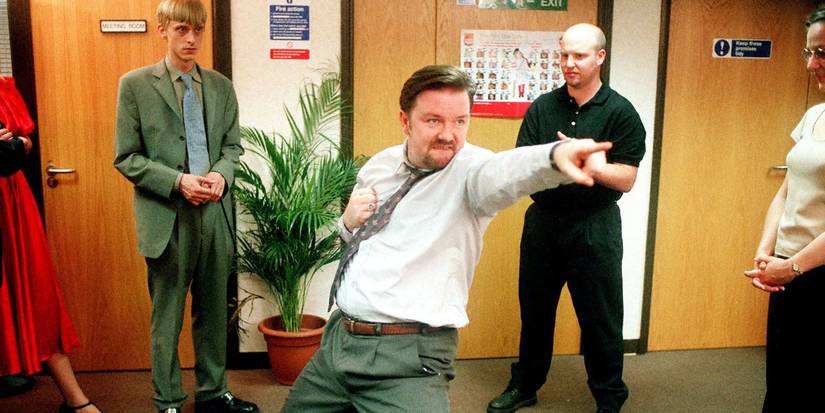
"Movies are the most powerful empathy machine in all the arts. When I go to a great movie I can live somebody else's life for a while. I can walk in somebody else's shoes."
–Roger Ebert, remarks on getting a star on the Walk of Fame
The connection between viewer and character is strong. We feel the highs, the lows, and unfortunately sometimes the deep, paralyzing abyss that comes from embarrassment.
Yes, the slow-motion train wreck the audience sees coming but the character is oblivious to: It's Cringe.
Walter Donway connects Cringe to intrusive memories and the influences of human evolution on being aware of social cues and prioritizing fitting in with a group. Moments of embarrassment stand out because of this feeling of alienation from peers.
Dr. Debra Kissen focuses on Gen Z's negative attitude toward being Cringe, explaining that it's about safety. As younger generations come online, they see the results of the previous generations sharing openly and earnestly, and how moments that get mocked online don’t just disappear like fleeting moments of IRL embarrassment. To be cringe is to be vulnerable.
Part of that vulnerability comes from honest expressions of what a person is passionate about. Lamar Ramos considers how cringe is the tax you pay for trying, and that it’s better to look back and cringe than to have nothing to look back on at all. Game designer Jan Kiepski considers making cringe-inducing work a part of the artistic process.
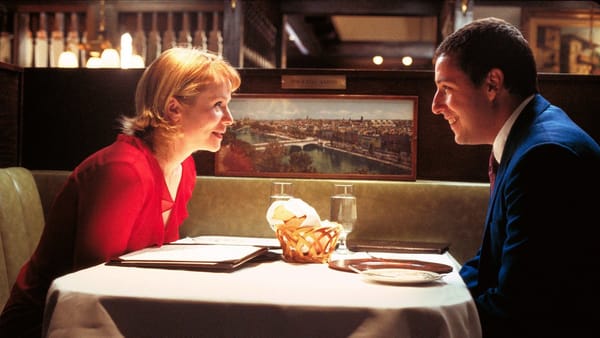
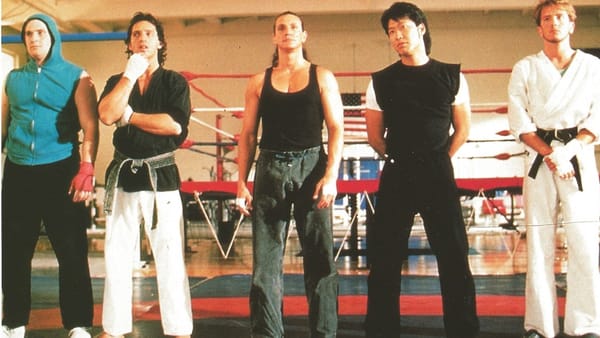
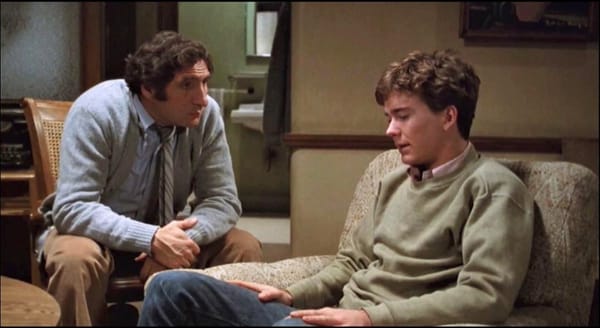
But what about purposefully-induced cringing? Ana Isabel provides a history of cringe comedy, contextualizing why we feel shame and embarassment for others and how this style of comedy works most effectively when an overconfident person has little to no awareness of social conventions.
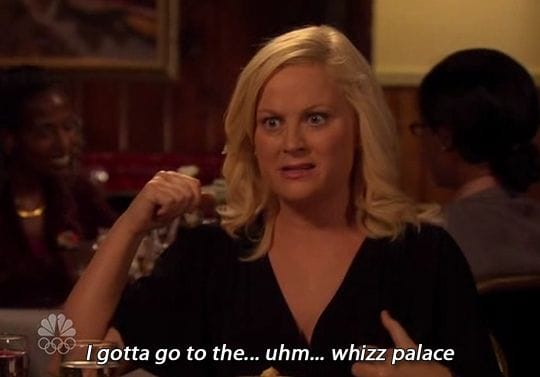
Please be advised, this next link includes video of Ted Cruz miming how he eats a chili dog. If you want to skip this, continue reading after the picture of Leslie Knope forgetting the word "bathroom."
For some non-fictional examples of this, Desi Lydic highlights the cringiness of politicians trying to join in on memes and connect via podcasts. It’s the grasping for what they believe is relevance instead of trying to be honest and direct.
Cheryl Okonkwo on the relationship between distinctions of high and low art and when art is labelled as cringe. The video points out the way using cringe as a negative label reinforces standards set in the 18th century and disproportionately punches down in who it targets.
Rebutting this kind of criticism, Aldone discusses the cringe aspects of Turning Red, and how the film ties together those things people would find cringe with the aspects of the characters’ lives that they’re afraid to show or embrace. The story’s resolution requires everyone involved to contribute an honest expression of what’s inside them (embracing their Cringe) in order to prevent Red Panda-related carnage.
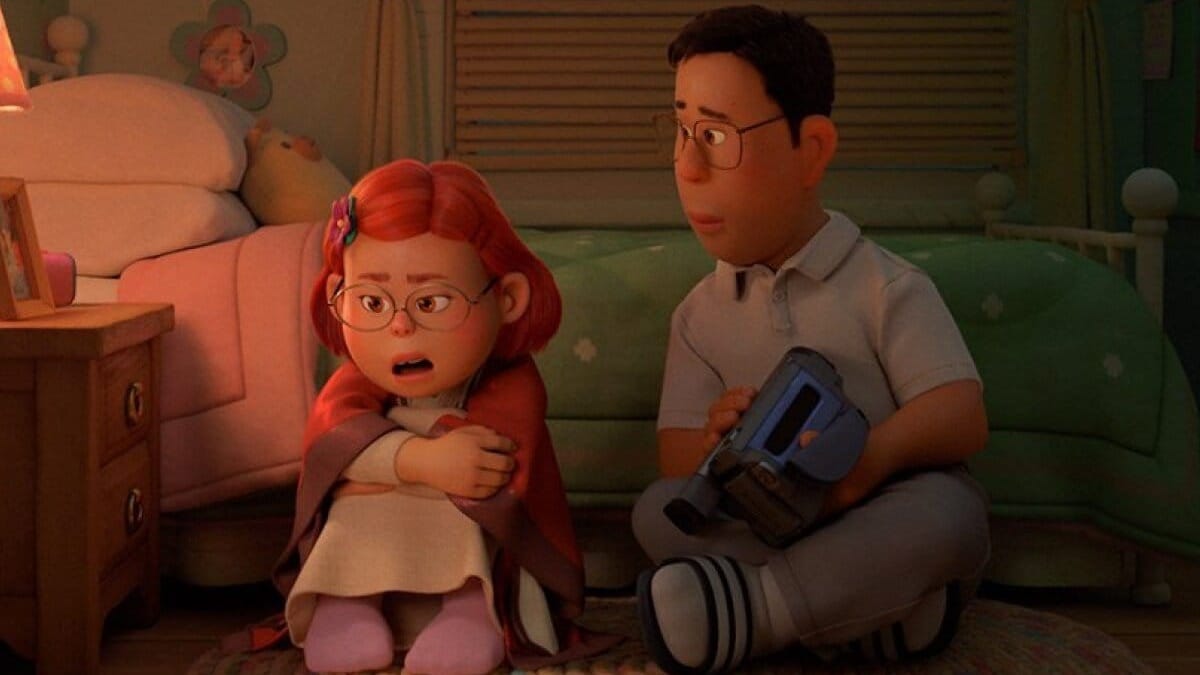
"People have all kinds of sides to them, Mei, and some sides are messy. The point isn't to push the bad stuff away. It's to make room for it, live with it."
👋 Are you new here?
Inneresting is a weekly newsletter about writing and things that are interesting to writers. Subscribe now to get more Inneresting things sent to your inbox.
And if you can't wait until next week for more Inneresting, check out the Quote-Unquote Apps Blog where we keep previous issues and other posts about screenwriting and things interesting to screenwriters.
What else is Inneresting?
- Emily Cadei explores how recent trade policy changes could mean an end to broadly used technology standards like Bluetooth, and a reduction in reliance on tech infrastructure centered in the US.
- Emily C. Hughes argues against expecting the worst from art and media, suggesting it’s better to hope to enjoy something and be wrong than to sit prepared to find reasons to hate it.
- Anil Dash sounds the alarm on how LLMs are dismantling what’s left of the open web (and what you can do to counter it).
And that’s what’s inneresting this week!
Inneresting is edited by Chris Csont, with contributions from readers like you and the entire Quote-Unquote team.
Are you enjoying this newsletter?
📧 Forward it to a friend and suggest they check it out.
🔗 Share a link to this post on social media.
🗣 Have ideas for future topics (or just want to say hello)? Reach out to Chris via email at inneresting@johnaugust.com, Bluesky @ccsont.bsky.social, or Mastodon @ccsont@mastodon.art
If you don't know what to write...
what embarrassing error did your protagonist commit in the past that became an intrusive memory? How does it connect to their present so tightly that they can't let it go?