This is my villain origin story: Salieri vs. Mozart
Villaintine's Month continues with a closer look at Amadeus, and how a villain like Salieri can make an excellent protagonist (without losing the villainy).

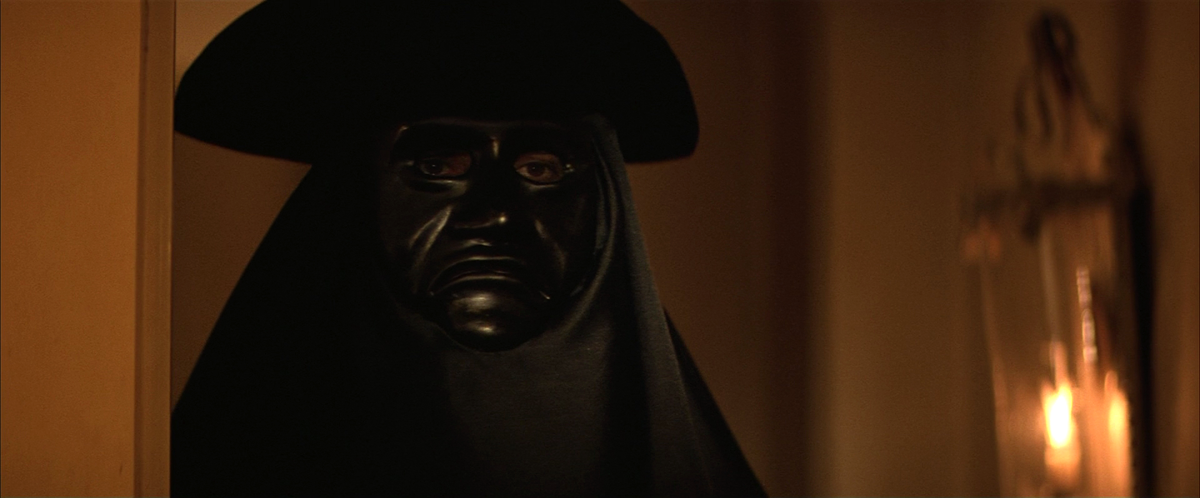
The protagonist acts as the prime mover of a story. Their choices direct the path of the narrative, attempting to navigate it toward their goal. But this power isn't only granted to the heroic and just. A villain can make a compelling main character.
Amadeus doesn't play out in the expectations of a musical biopic, but instead lets the rival composer Salieri narrate. Let's take a look at how the film's example can suggest ways that center a villainous character without losing their villainy.
Villains' goals have curdled
As a child, Salieri prays for divine help in achieving his goal:
"Lord, make me a great composer. Let me celebrate Your glory through music and be celebrated myself. Make me famous through the world, dear God. Make me immortal. After I die, let people speak my name forever with love for what I wrote. In return, I will give You my chastity, my industry, my deepest humility, every hour of my life, Amen."
Already this goal is tainted with pride, as Salieri does not ask to be a humble servant, but to be grandly rewarded for his efforts. He does become an esteemed composer in Vienna, but Salieri recognizes in Mozart a talent that eludes him no matter how hard he works:
In these scenes, his goal pivots from a slight pride to feeling slighted and wrathful. He frames his new goal not out of envy of Mozart's ability, but at feeling mocked by a God that would allow a profane man like Mozart to effortlessly craft such divine music.
Salieri could never win a fight against God. It's too much of a lift. But seeing Mozart as an avatar of God gives Salieri a weak point to strike, as well as a way of framing his actions as part of a grand struggle and not petty professional jealousy.
- What action could be part of a larger whole? Does your villain see a larger injustice towards themselves that allows them to target an individual as a nemesis? How can focusing that animosity make a goal understood and attainable?
- Villains make everything about them. How can you show that worldview clearly, like how Salieri treats every action by Mozart not as Mozart's choices and achievements, but as God mocking him by proxy?
- Protagonists struggle toward their goal. How would a villain react to someone easily obtaining the same thing they desire?
- Contrary to what The Joker says, it takes more than one bad day to make a villain. Even if a protagonist doesn't begin outwardly villainous, how can you plant seeds to show that they're primed to break bad?
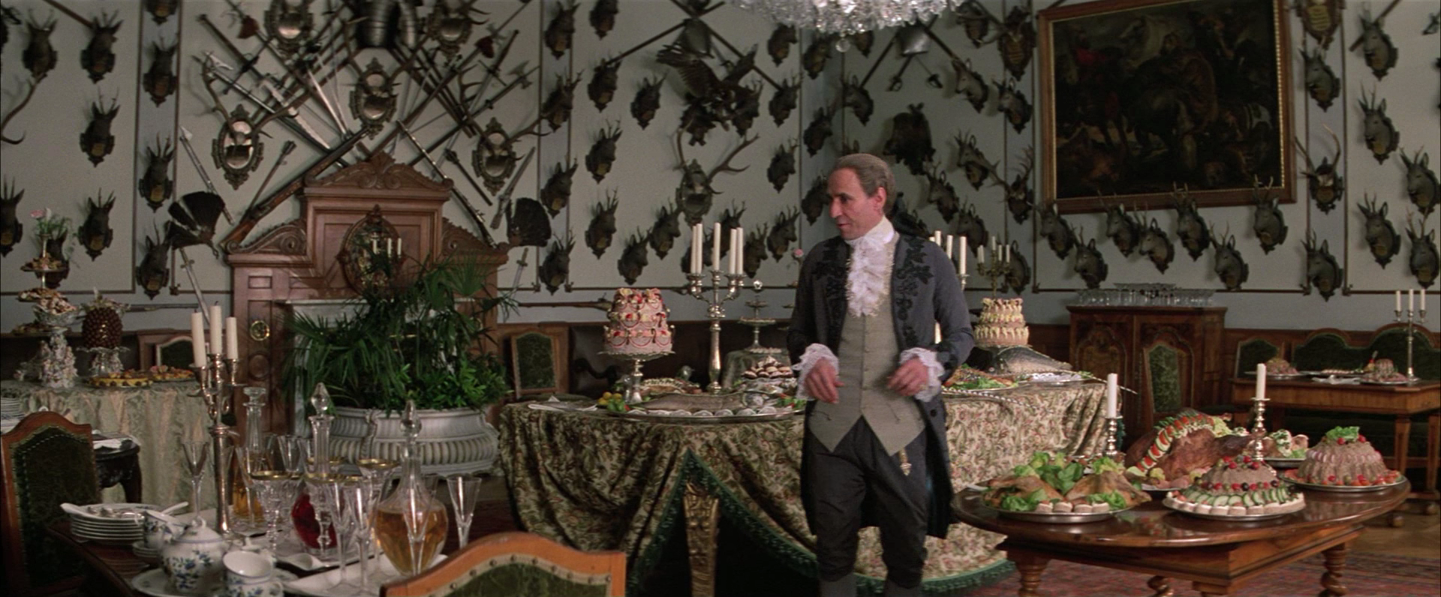
A villain's victory rings hollow
The audience knows from the beginning that Salieri gets no pleasure from Mozart's death. His introduction in the film is a suicide attempt, and as part of his confession he demonstrates to the priest how his own compositions are forgotten, but even a non-musician can recall Mozart's melodies. Mozart's work endures.
Even in the final stages of his victory, as he watches Mozart literally work himself to death on a requiem mass, Salieri is astonished by how fluidly Mozart conveys the compositions in his head. Even though he was only a transcriptionist, Salieri hates that the piece goes unfinished, because he knows what a remarkable work it would have been.
But he had pushed Mozart to his limit, with years of spying, backstabbing, and manipulation, Salieri's actions pushed hard enough to make Mozart's end inevitable.
- Knowing your villainous protagonist's goal, how would achieving it fail to satisfy them? Would it present greater unforeseen problems?
- What must a villain sacrifice to succeed? Like Salieri's renunciation of God, what essential part of their character could they be willing to part with as a means to an end?
- Victory is hard-earned for any protagonist. If the villainous protagonist wins, what choices do they struggle with, and what hurdles must they overcome that show the audience they earned not only their victory, but their role in the telling of the story?
Villains can be loathsome, but not boring
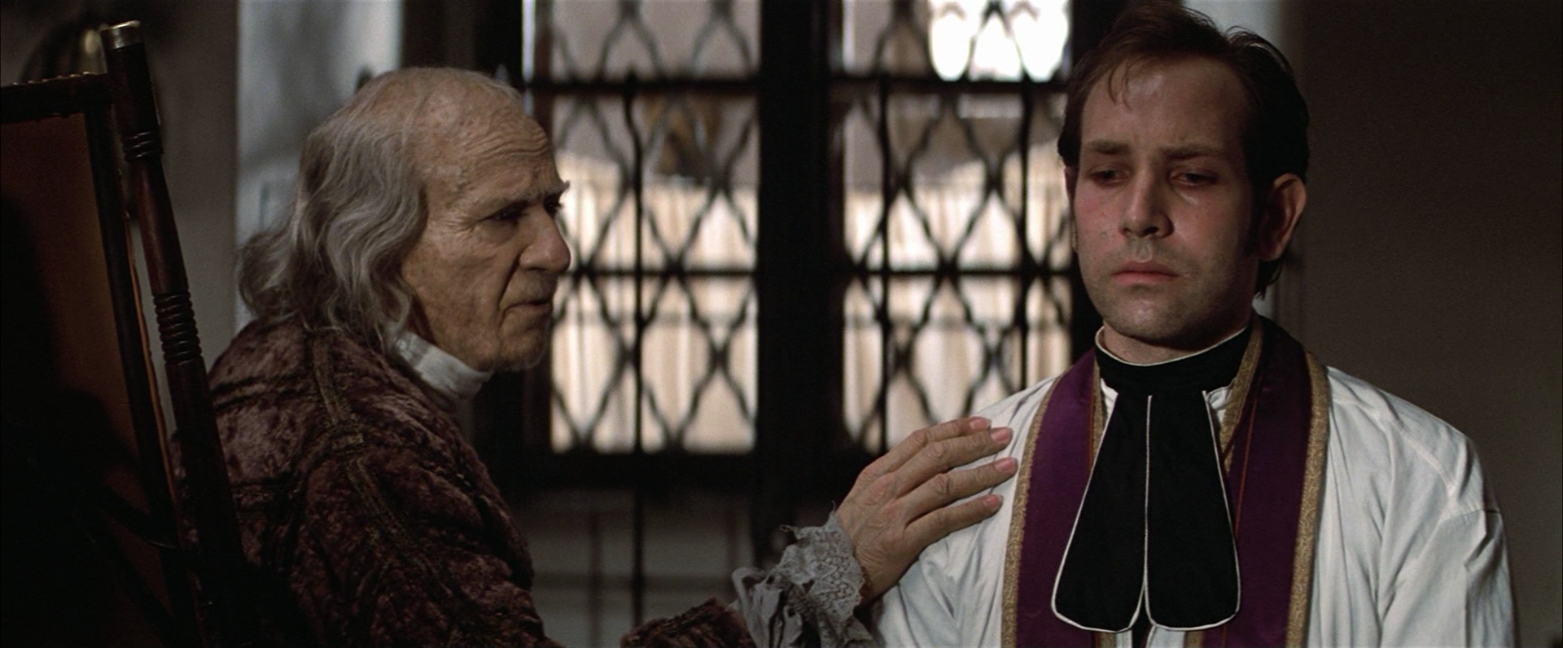
One of the ways Salieri expresses the depths of his hatred is how often his story explains what made Mozart's work exceptional. His narration and reactions throughout the story help the audience understand the difference between a competent composer and one whose work emerges from their mind fully formed and performance-ready. Explaining Mozart's greatness is essential for Salieri to justify his actions.
He also shares a knowledge of the royal court, the politics of the national opera, and the tension between Mozart and his father. All of these aren't just additional detail to his story, but information that gives crucial detail to what levers Salieri manipulates as he plots Mozart's undoing.
It gives the audience a tour of a world they may be unfamiliar with. There's a novelty to bringing the context of the world around the characters to life that helps to hold the audience's attention.
- What does your villainous protagonist understand that your audience may not? What specialized knowledge do they wield in pursuit of their goals?
- How can you express the inner workings of a villain in a way that lays bare their skewed perspective? Not every story calls for a confessional narration, but in this case, Salieri's framing of his "murder" of Mozart as an act against God makes telling the story to a priest ironic and fitting.
Further villainous protagonists to draw from
- Nightcrawler: Lou Bloom merrily skips over ethical and moral boundaries in his single-minded quest to turn a police scanner and camcorder into true crime reporting fame. His determination and oily charisma hold the audience's attention as his tactics becoming increasingly cruel and risky.
- Thank You for Smoking: Nick Naylor is a lobbyist for Big Tobacco with no redemption arc. He may wind up leaving to form his own lobbying firm, but it's clear from the ending that his amoral pride in selling bullshit is untouched.
- Pearl: All she wants is to break free of her oppressive mother and act in the movies, but she mistakes the force of her desire for the size of her talent. As her life unravels and she fails to catch a single break, desire curdles over into a murder spree.
- Taxi Driver: Travis Bickle is no hero. His narrated diaries about wanting to purge New York City of filth feels less like the inner monologue of a heroic crusader than the manifesto left behind by a gunman. His violence finds an outlet in killing a pimp and his cronies not purely out of moral anger, but because his other attempts at violence were interrupted.