💺 #289 - The Seat Back Test
This week's Inneresting focuses on visual storytelling elements and not depending on dialogue to explain what's happening.

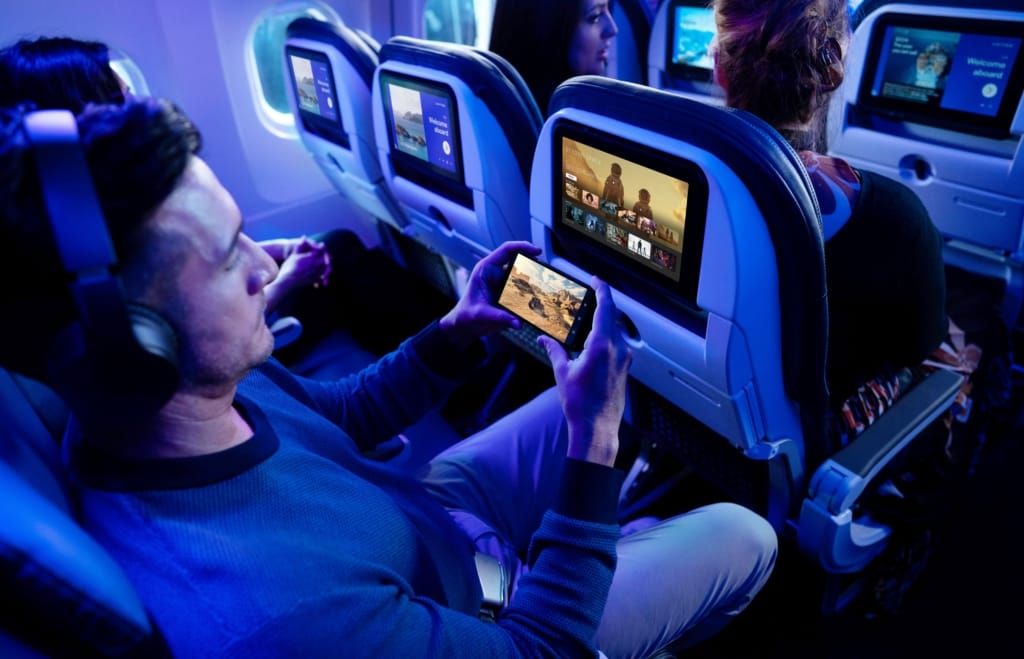
Generally speaking, cinematic stories are pushed forward not by conversations but by events. Choices. There's a visual progression as the story moves forward. We call it the "seat back test." Imagine someone is watching this movie (or episode) on a flight. You're sitting on the aisle a few rows behind them. You can see their screen. No audio, just the visuals.
Can you tell what the story is about? Can you basically follow what's happening? Cinematic stories pass the seat back test.
– Scriptnotes (Chapter 2: Deciding What to Write)
It's a common misconception that the screenwriter's job is just coming up with dialogue.
From descriptions of the setting to the pacing of action sequences, what goes on the page shows up all over the screen. One way to understand those other elements can come from consciously subtracting elements to see what remains.
Steven Soderbergh famously did this with a silent, black & white edit of Raiders of the Lost Ark, which is available to screen on his blog.
Even the first 10 minutes of the film refashioned this way is a masterclass in visual storytelling.
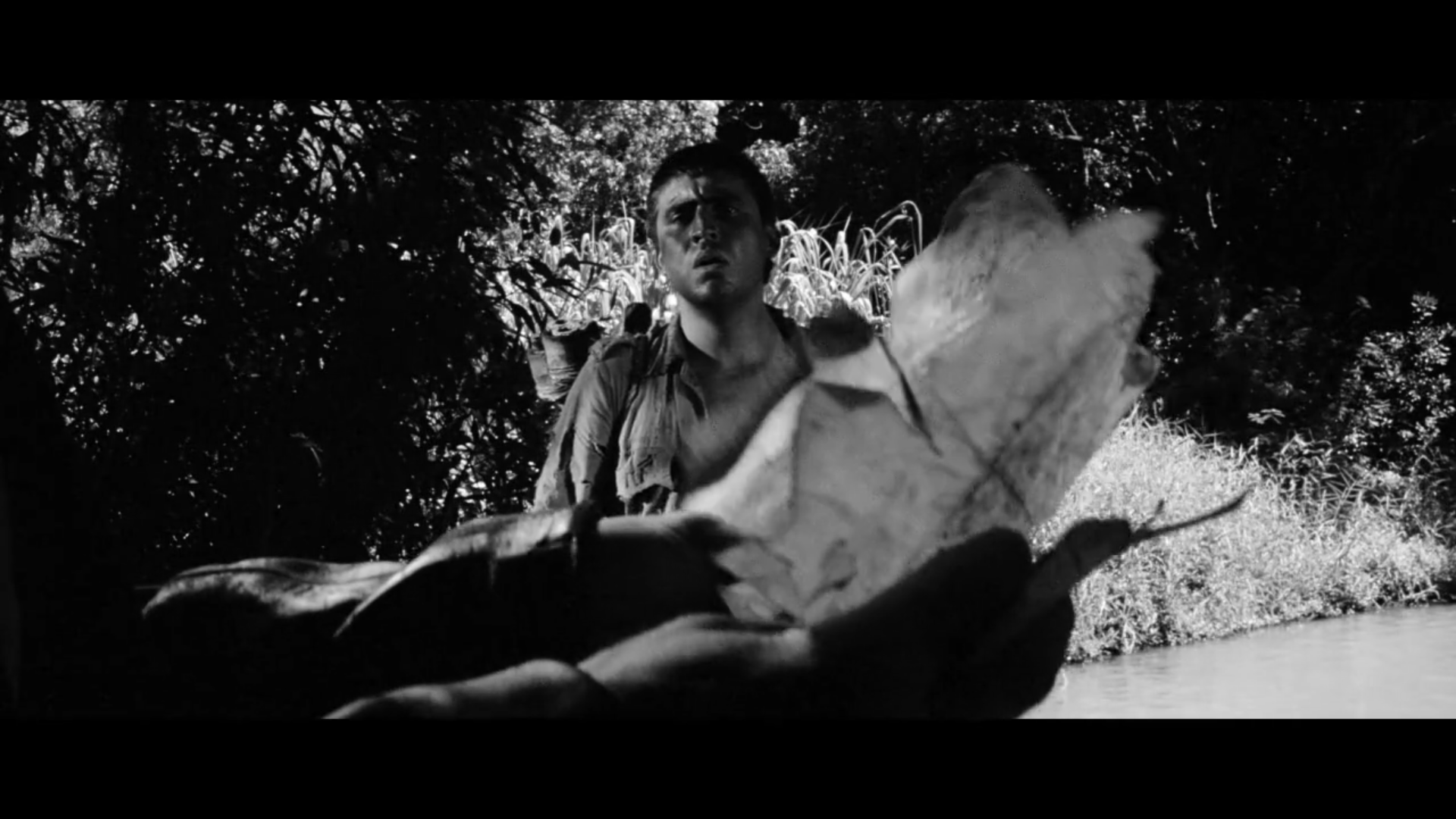
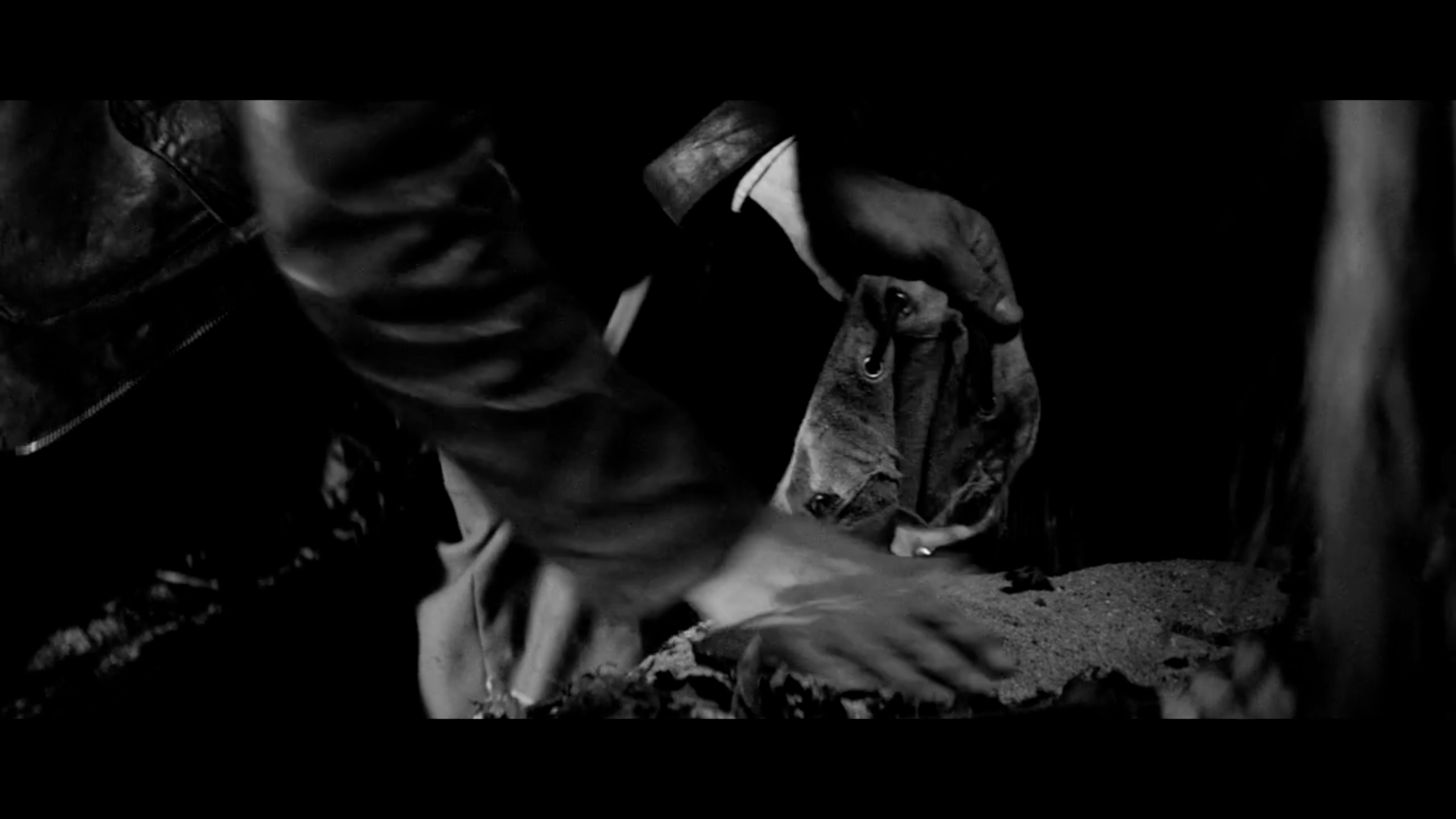
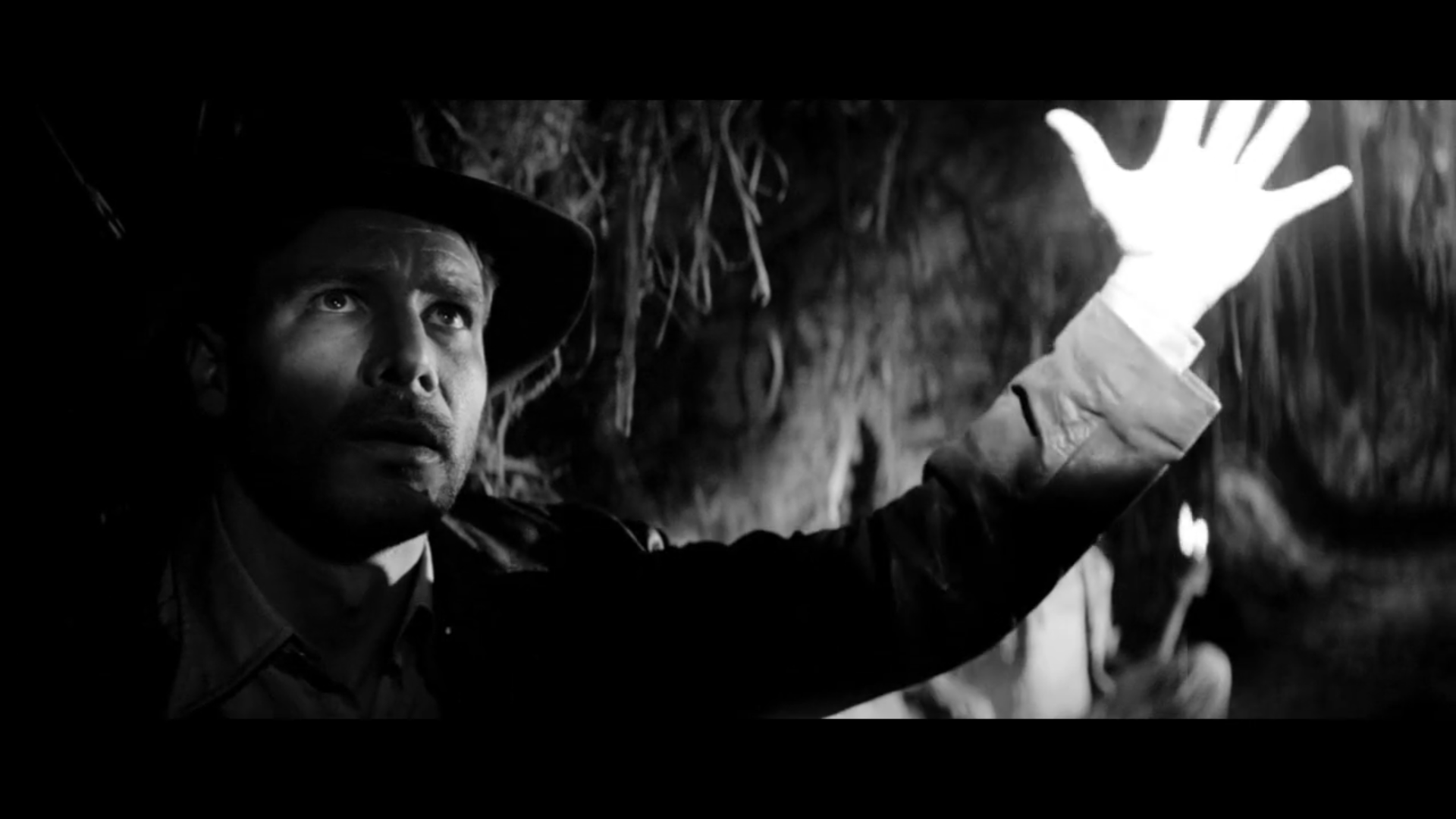
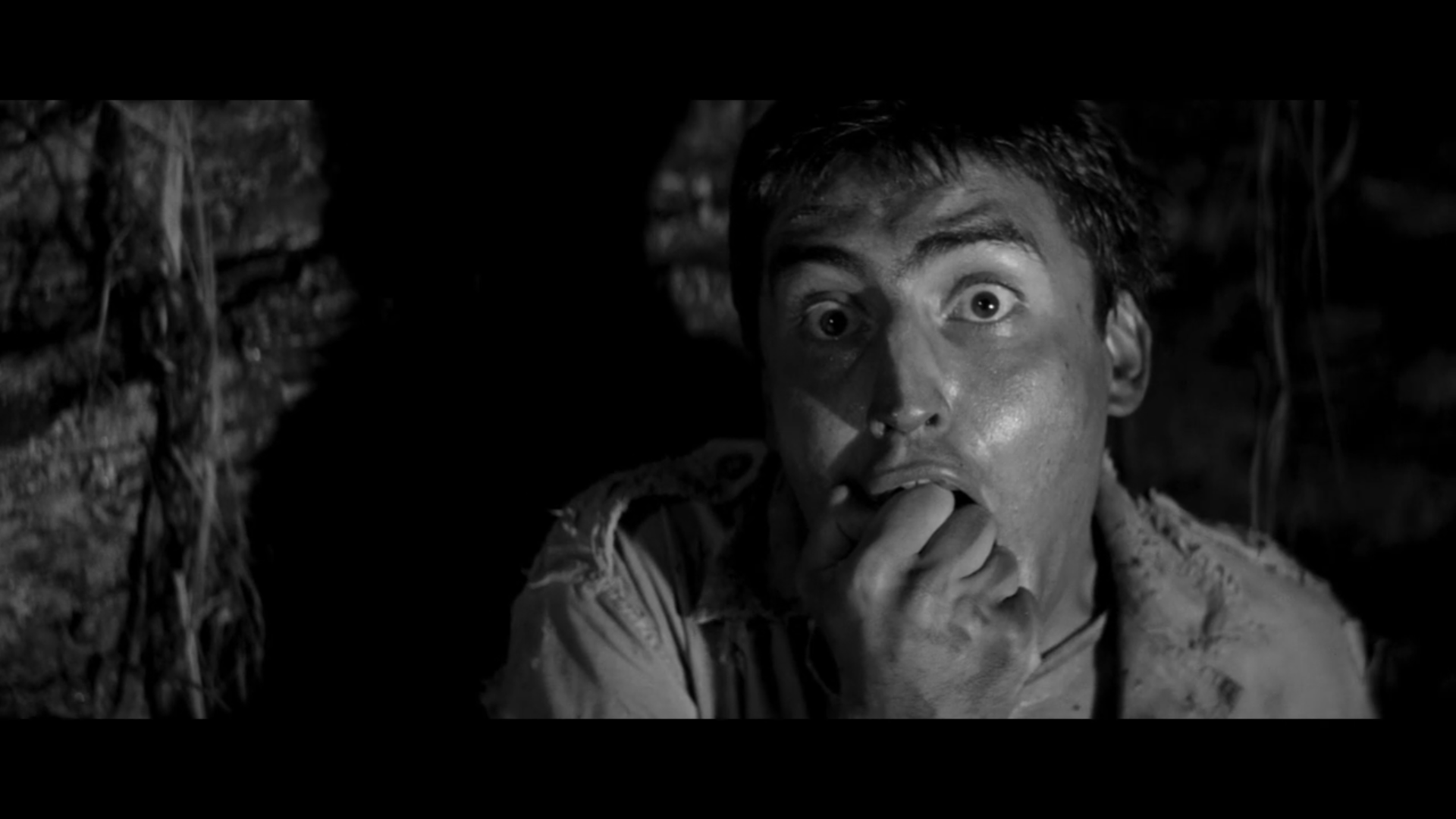
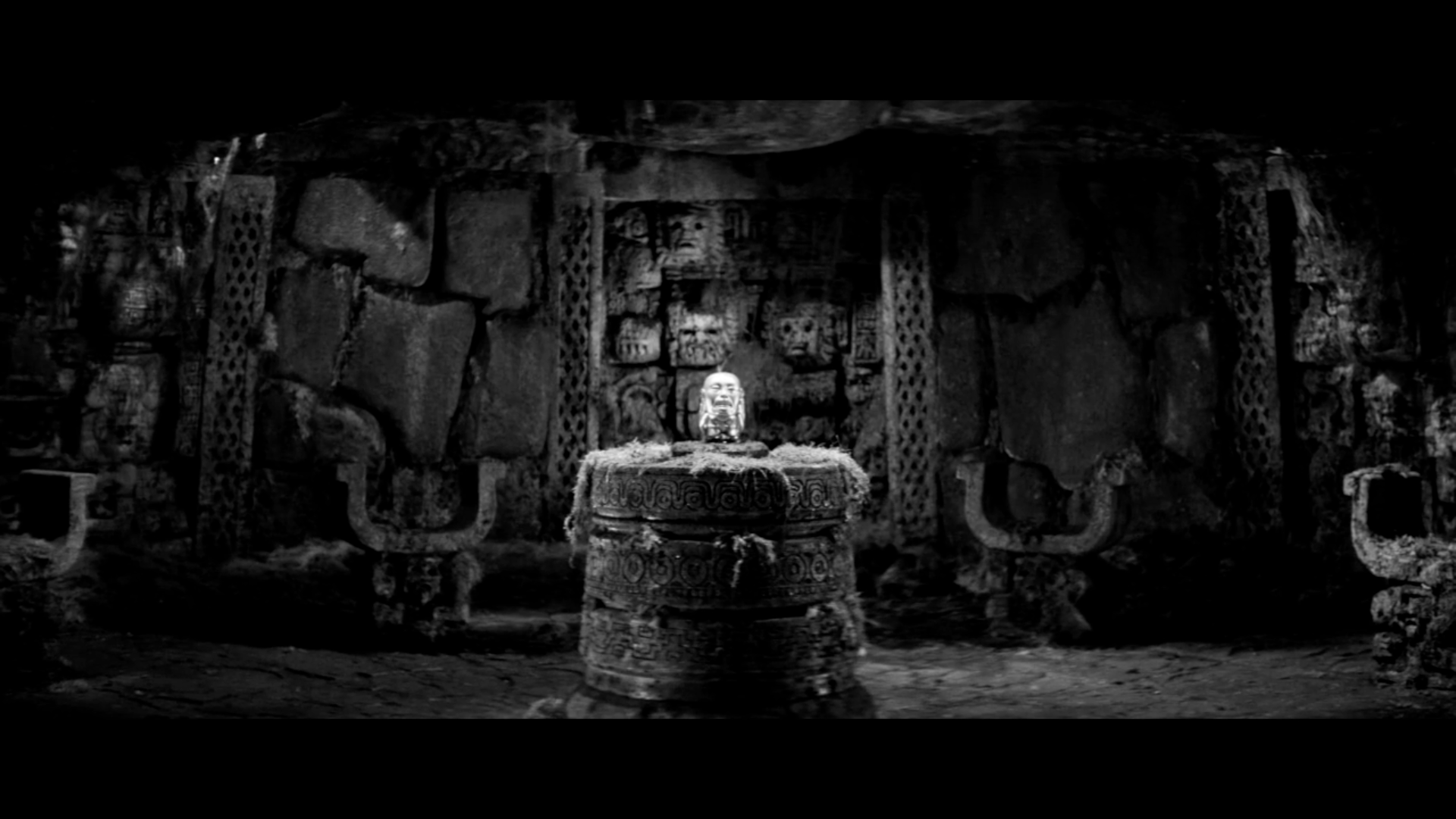
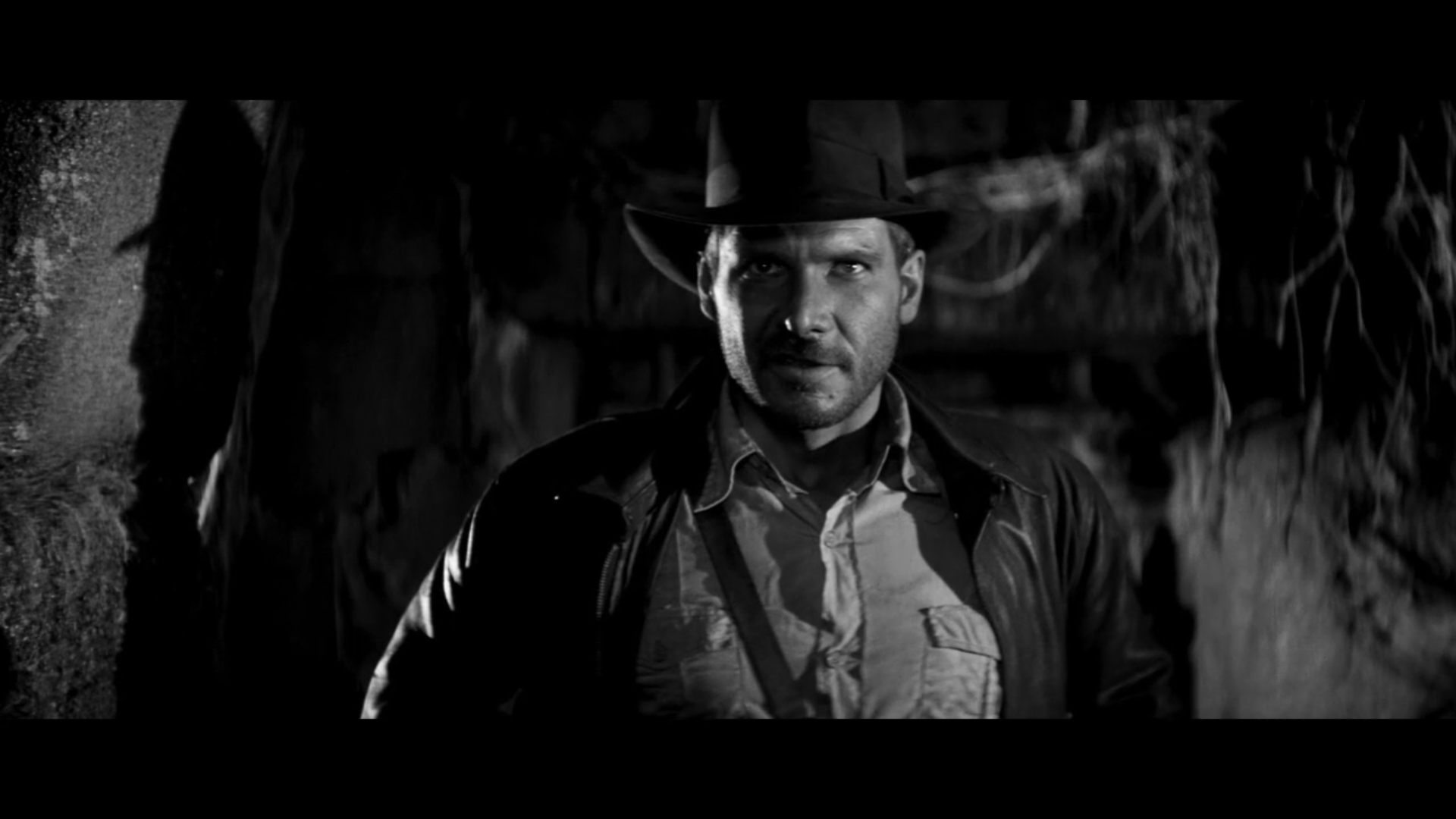
Every step of the way, we learn that this is a competent hero risking death while searching for a lost treasure, and that the main cause of death could be an ancient booby trap.
This doesn't take any dialogue to get across. It's images, pacing, and non-verbal reactions.
Looking to another visual medium for examples, check in with Giovanni Colantonio's look back at early video game intros. From Karateka to Ecco the Dolphin, these games could set a tone and tell a story with simple, clear imagery.
Or head back to the silent era with Gregory Wakeman as he digs into the final shots of City Lights, which is frequently lauded as the greatest ending in film.
An Exercise in Seat Back Viewing
You'll need to fight against your urge to rock, but watch this clip on mute from the end of the film and pay attention to what you can see and how it's shown to you. Then come back.
Ask yourself: What can you follow along even without the music and dialogue? What visual cues can you use?
- What do we see in the setting? What elements of the set are used by the characters or highlighted during the action?
- Consider the pacing of moments, like the frenzy of the earlier "fire rave" compared to the slower conversation that follows.
- How would you describe on the page the different sections/movements of Dr. Kelson's "ritual?" What does it look like he's trying to do, and when do we see Sir Lord Jimmy Crystal reacting to it?
- Look at the placement of characters in the later dialogue section in relation to each other and to objects around them. What shows you who's in charge and where that power shifts?
- What's eye catching? Surprising?
One particularly strong example of showing story in this sequence comes when Dr. Kelson stands in front of an inverted cross, directing everyone to kneel except for Sir Lord Jimmy Crystal. Even without the exact dialogue, the tension and power dynamics shine through with the positioning of characters, facial expressions, and reactions.
Takeaways
- Don't overlook reactions! Seeing how characters respond helps inform the audience of how they should respond.
- Focus your images. Instead of taking in an entire space or listing elements of the setting, pick what specific thing the audience needs to pay attention to.
- Think about the scale of the image. If you describe a small object or slight gesture, that likely translates into a close up. Describing larger spaces or actions nets a shot that's further back. Are you shifting between these to help focus the audience's attention? Are you keeping the smaller details in context with the big picture?
- Defined characters help create strong visuals. You think Indiana Jones, you picture a whip and a fedora right away. Dr. Kelson already built his bone temple long before he planned to crank up Iron Maiden.
👋 Are you new here?
Inneresting is a weekly newsletter about writing and things that are interesting to writers. Subscribe now to get more Inneresting things sent to your inbox.
And if you can't wait until next week for more Inneresting, check out the Quote-Unquote Apps Blog where we keep previous issues and other posts about screenwriting and things interesting to screenwriters.
In case you missed it...
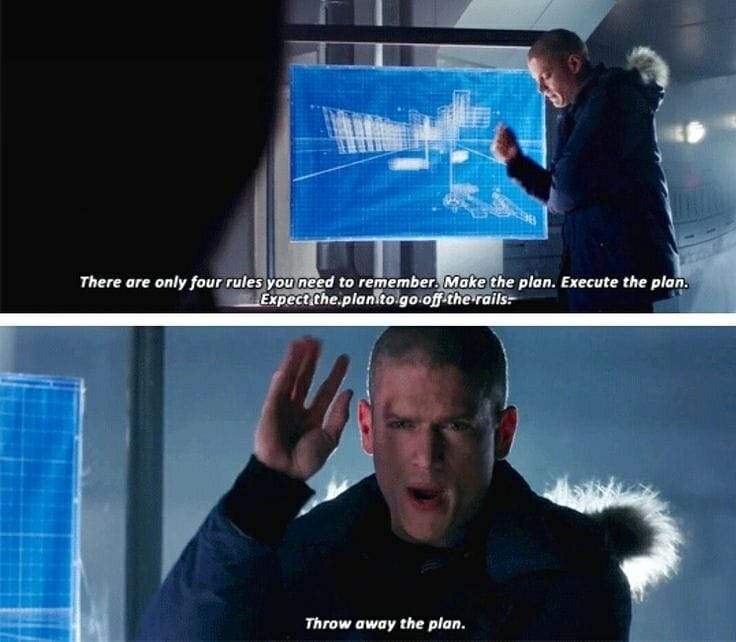
In the most clicked link from our last issue, The Decision Lab explains The Planning Fallacy, including how breaking a task down into smaller tasks makes people better at estimating how long tasks will take.
What else is Inneresting?
- Background Broadcast reinterprets Blade Runner 2049 after noticing what book K keeps in his apartment.
- Kathryn Jezer-Morton suggests friction-maxxing, or modeling tolerance for inconvenience, to counteract the technology-based desire for every moment to feel seamless and entertaining.
- So you want to learn more about mindfulness, but only with examples featuring Keanu Reeves? Michael D. Nelson has some clips from The Matrix to show you.
And that’s what’s inneresting this week!
Inneresting is edited by Chris Csont, with contributions from readers like you and the entire Quote-Unquote team.
Are you enjoying this newsletter?
📧 Forward it to a friend and suggest they check it out.
🔗 Share a link to this post on social media.
🗣 Have ideas for future topics (or just want to say hello)? Reach out to Chris via email at inneresting@johnaugust.com, Bluesky @ccsont.bsky.social, or Mastodon @ccsont@mastodon.art
If you don't know what to write...
pick a character and choose their default karaoke song. Who are they singing with (if anyone)? Who are they singing to?