↔️ #295 - What a dilemma!
A difficult choice isn't automatically a dilemma, so this week's Inneresting looks at how time pressure raises the stakes and forces character action.

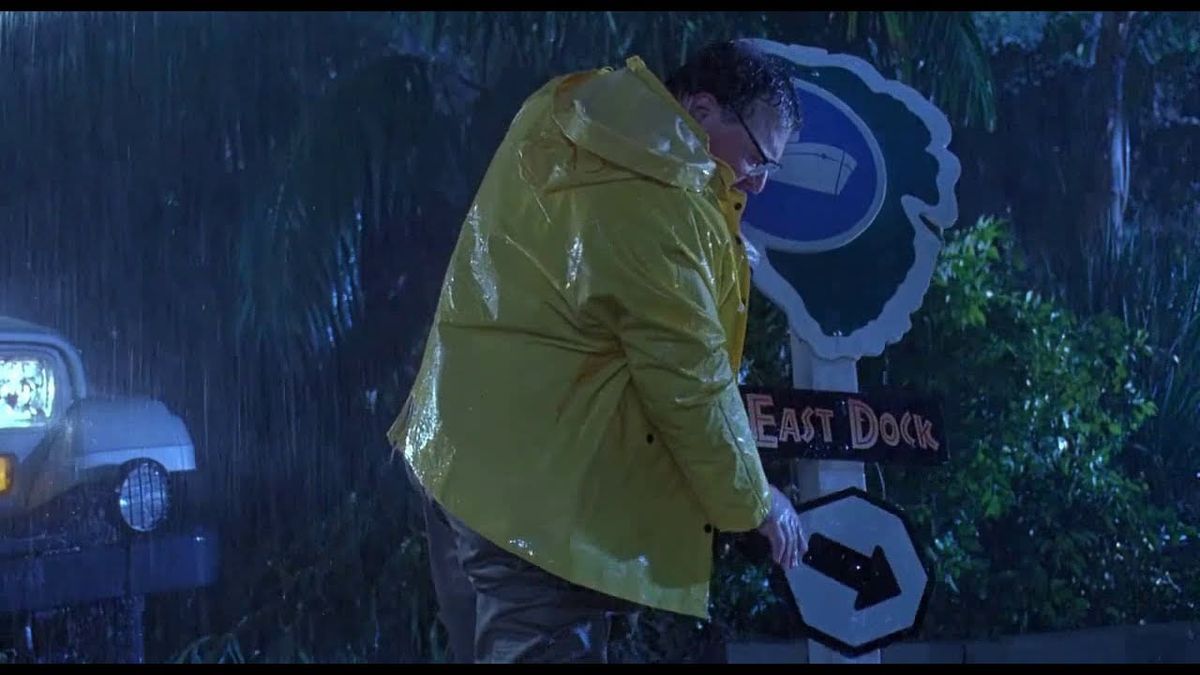
On the scene level, a dilemma might entail deciding which dangerous route to take to escape the prison, or whether to close the airlock before the crew member returns. On a wider scale, it could be whether to break off an engagement or sell the family farm.
[....]
For a dilemma to be effective, the audience must understand the choices and the consequences. Over our careers, some of the best notes we've gotten from producers and executives have been about clarifying why characters are making a given choice. At times, that's meant rewriting scenes so characters can verbalize their thoughts, or restructuring sequences so the potential consequences are more apparent. And the screenwriter needs to be vigilant about false dilemmas; the audience can generally sniff out if one choice really isn't a choice-and may resent it.
–Scriptnotes
Choices happen throughout a story, but dilemmas use time pressure to force a character to pick the least bad of the bad options.
The words of Geddy Lee are especially relevant in these situations, "If you choose not to decide/ you still have made a choice" While it's natural for people to avoid conflict and put off a difficult decision, these scenarios take away that option.
Maybe your hero is on a bus that will explode if it drops below 50 MPH, but there's a section of freeway up ahead that's missing due to construction. Pop quiz, hotshot. What do you do?
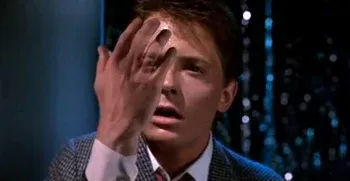
Or consider the example of Back to the Future, where Marty McFly has a series of choices he needs to make so that his parents will fall in love back in the 1950s so that he can continue to exist. Stephanie Young points us to the final scenes leading up to the Enchantment Under the Sea Dance, and how Marty's awareness of the exact events that need to happen push him to pick up a guitar and fill in for an injured guitarist. Daniel P. Calvisi and William Robert Rich point to the story beats that make this dilemma feel urgent by charting out all the setups and payoffs throughout the film.
Sometimes it's not only life or death stakes, but a question of ethics, and few franchises love to dramatize an ethical dilemma as much as Star Trek. Steve Shives collects examples of the many times Starfleet officers have had to take on the Trolley Problem.
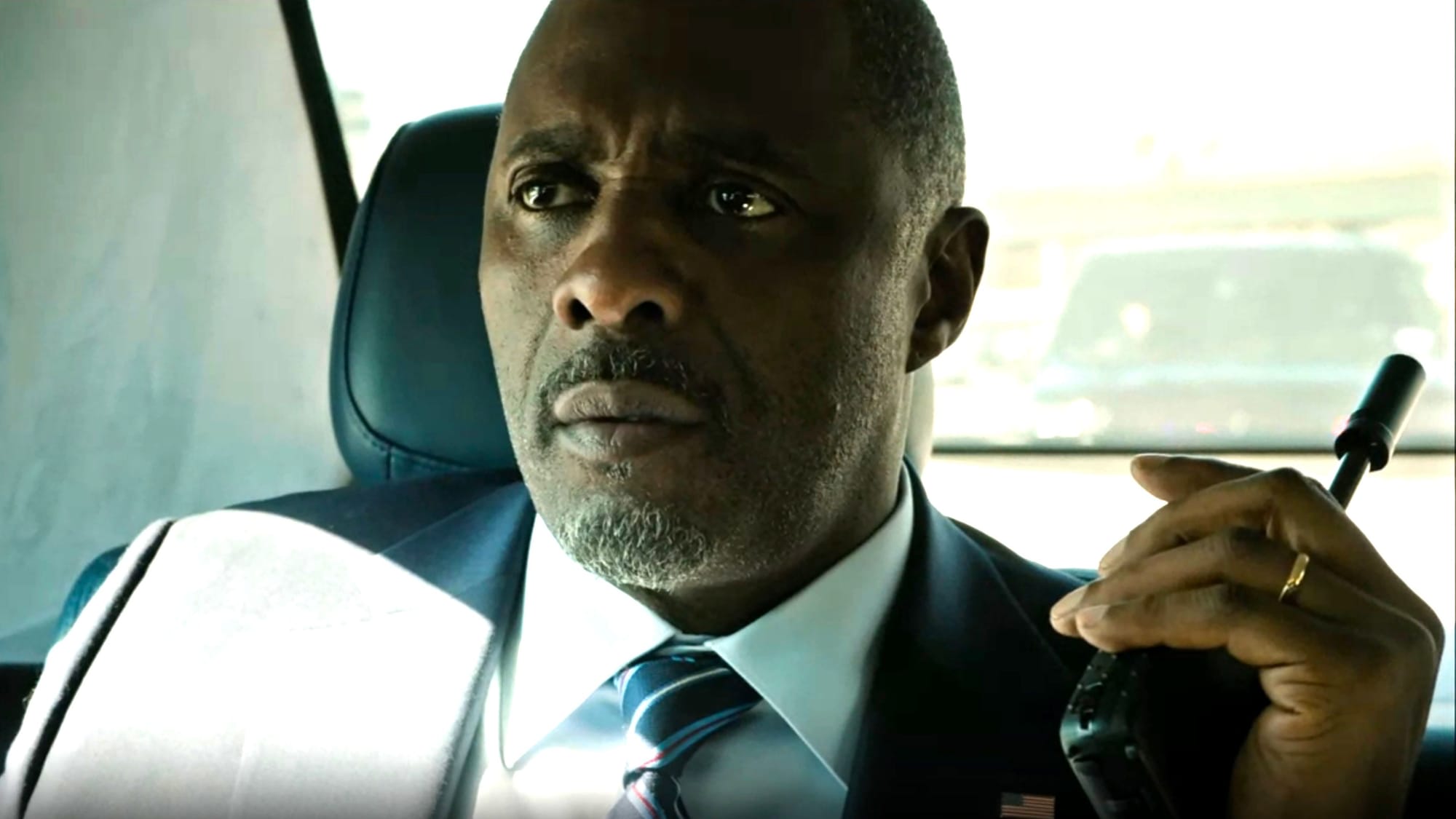
But there are limits to how much a choice can be forced into a dilemma. General Johnny looks at the end of A House of Dynamite, where the President is told he must choose a retaliatory strike option before a nuclear missile strikes Chicago. General Johnny uses game theory to reframe this as a false dilemma, suggesting how a real world version of the scene would encourage a President to delay a response.
Forcing a dilemma will not always earn the energy and dramatic momentum a writer hopes to gain from the moment. But if there's a benefit to cutting off a character's ability to retreat or ignore the problem, finding a concrete motivation for immediate decision can help keep up the pace.
👋 Are you new here?
Inneresting is a weekly newsletter about writing and things that are interesting to writers. Subscribe now to get more Inneresting things sent to your inbox.
And if you can't wait until next week for more Inneresting, check out the Quote-Unquote Apps Blog where we keep previous issues and other posts about screenwriting and things interesting to screenwriters.
In case you missed it...
In the most clicked link from our last issue, Nandini Maharaj wants you to know that the impulse to lie on the floor when you're overwhelmed is actually healthy.
What else is Inneresting?
- Pranav Jain on how adulthood seems designed to dismantle friendships and the invisibility of friendship grief.
- DIal-Up Days on the rise and fall of Carolco Pictures, the independent studio behind Rambo: First Blood, Terminator 2, Basic Instinct, and more.
- Edwin Miles on Derek Jarman's experimental feature Blue, an emotionally engrossing work whose only image is a bright blue covering the entire screen.
And that’s what’s inneresting this week!
Inneresting is edited by Chris Csont, with contributions from readers like you and the entire Quote-Unquote team.
Are you enjoying this newsletter?
📧 Forward it to a friend and suggest they check it out.
🔗 Share a link to this post on social media.
🗣 Have ideas for future topics (or just want to say hello)? Reach out to Chris via email at inneresting@johnaugust.com, Bluesky @ccsont.bsky.social, or Mastodon @ccsont@mastodon.art