Character Arcs: The Evolution of Dr. Alan Grant

A character's transformation within a story takes time. It's the accumulation of many moments over time, layering and building on each other.
Ideally those moments mesh with other parts of the story already in play. As the character navigates the challenges in front of them, they also navigate the internal transformation that could help them become the hero this story needs.
Jurassic Park knits together the summer blockbuster spectacle of realistic dinosaurs and heart-pounding set pieces with the transformation of Dr. Alan Grant from a misanthropic scientist to an empathetic guardian.
Let's take a look at the scenes containing those character beats to get a sense of the whole picture, but also how much change each point contributes.
Demonstrating Dr. Grant's Relationship With Kids
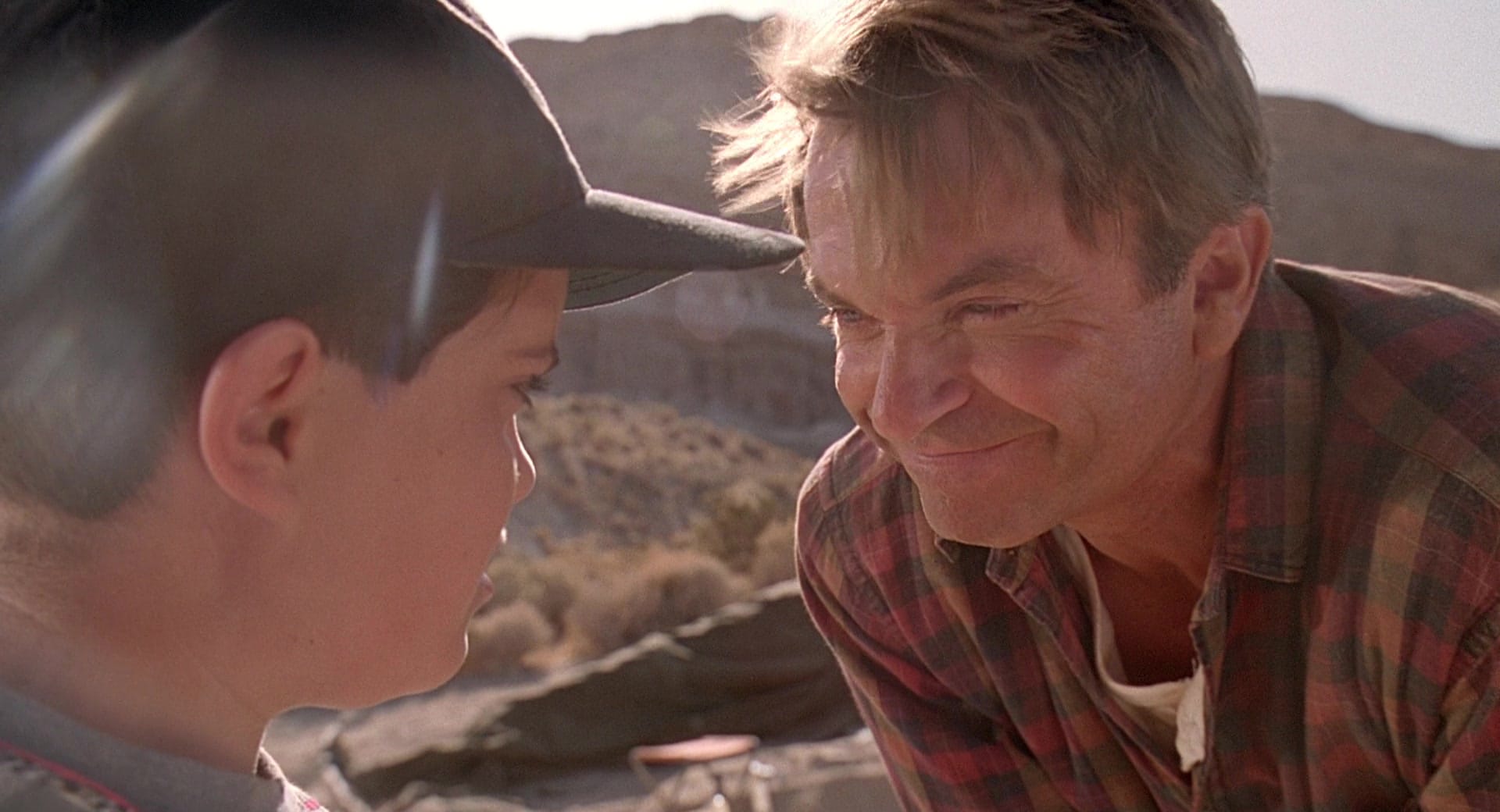
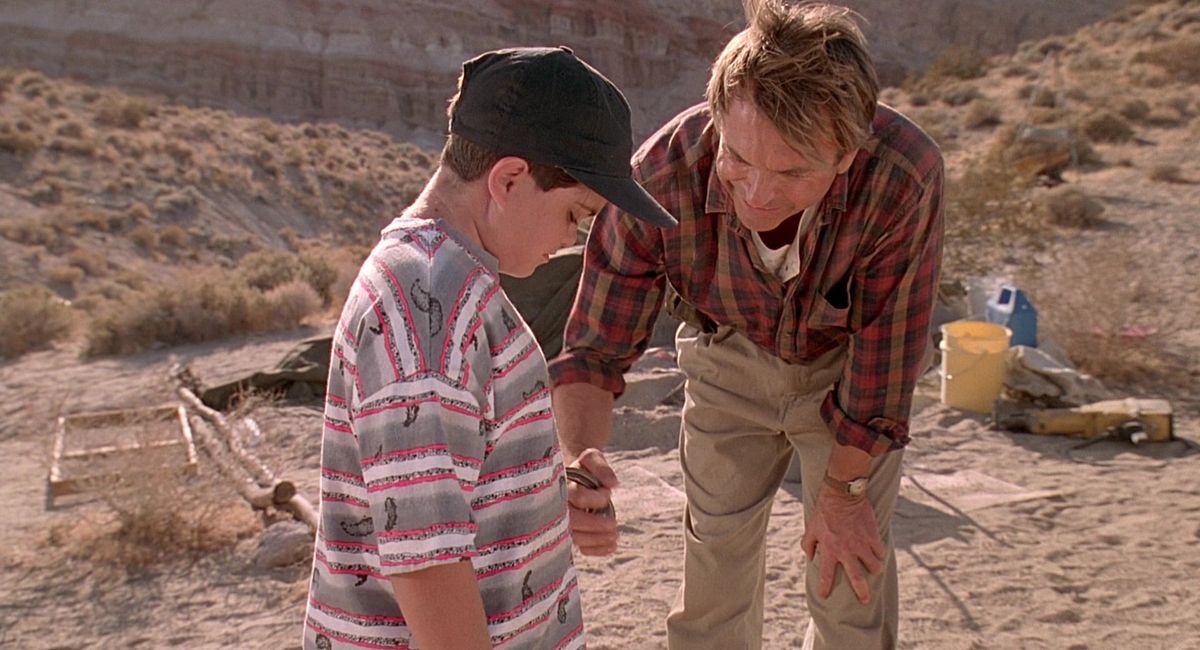
This early scene with Dr. Grant stacks character information like a club sandwich: There's his distrust of technology (how the computer image blips when he touches it), his deep knowledge about dinosaurs and their presumed behaviors, and his willingness to weaponize his knowledge against a snarky child.
It's a grim monologue delivered with a sarcastic smile, explaining how the velociraptor that this kid dismissed as looking like a big turkey would, if given the chance, eviscerate the child and start eating him while he was still alive.
And it wouldn't work if it wasn't setting up the story to come at the same time. Grant's speech works in necessary exposition about dinosaur behavior, and his fight with the computer screen highlights the fraught relationship with science and scientific progress that's going to be a running theme.
Clarifying how he really feels
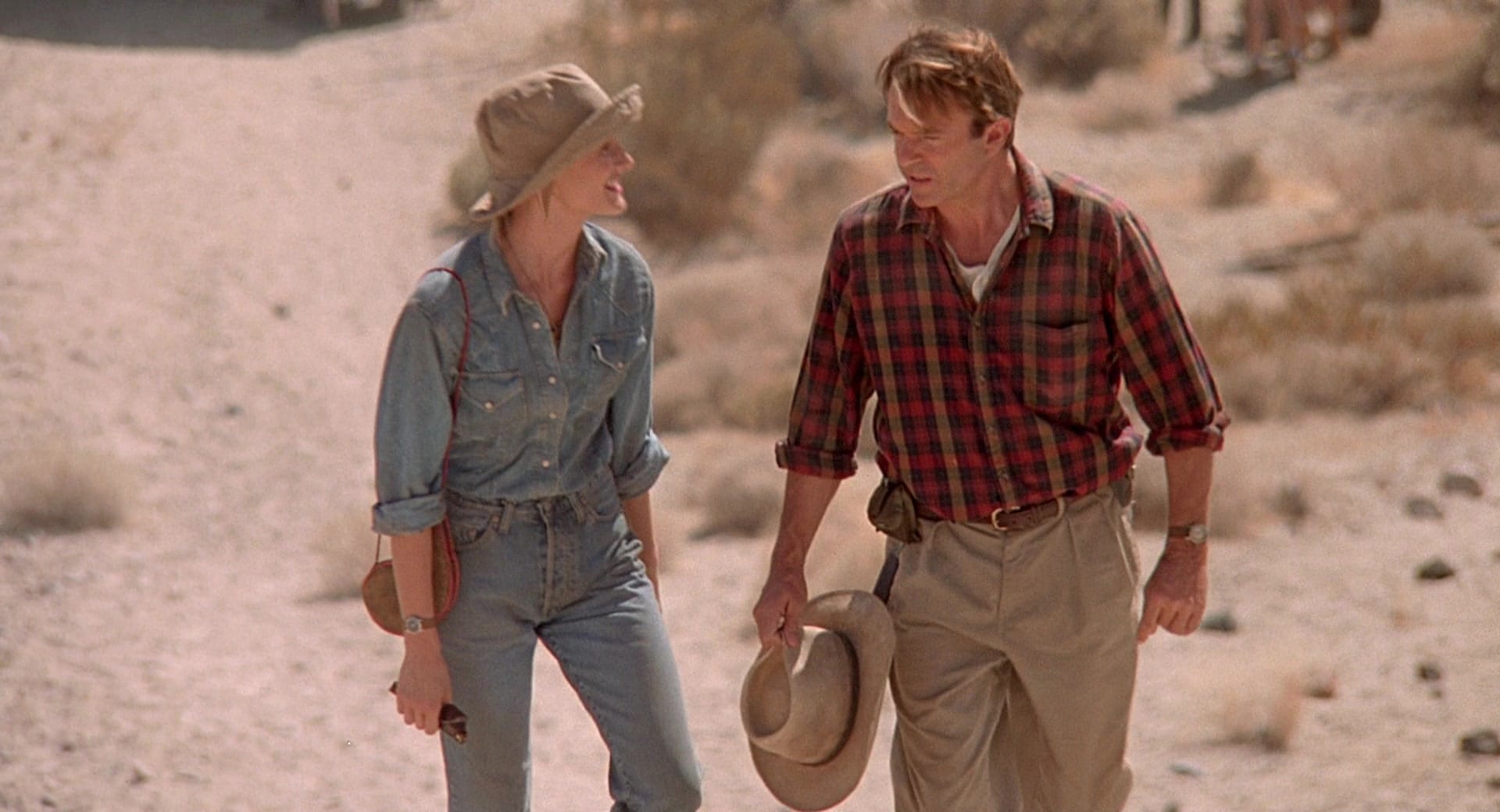
After this moment, Dr. Sadler interrogates Alan about why he has such a problem with children. It's a transition scene between the dig site and the arrival of Hammond's helicopter, but that doesn't mean it's idle conversation.
They're in disagreement over whether children have value, and it's more than implied that Ellie is needling Grant about the two of them having kids.
His stance: They're noisy, messy, expensive, and they smell.
Her stance: "...a breed of child Dr. Grant could be intriguing."
The dialogue shows him seeing kids still as an abstract whole. She's dealing with specificity. If only something could force Dr. Grant to consider specific children to challenge his views...
Hammond's Grandchildren Arrive
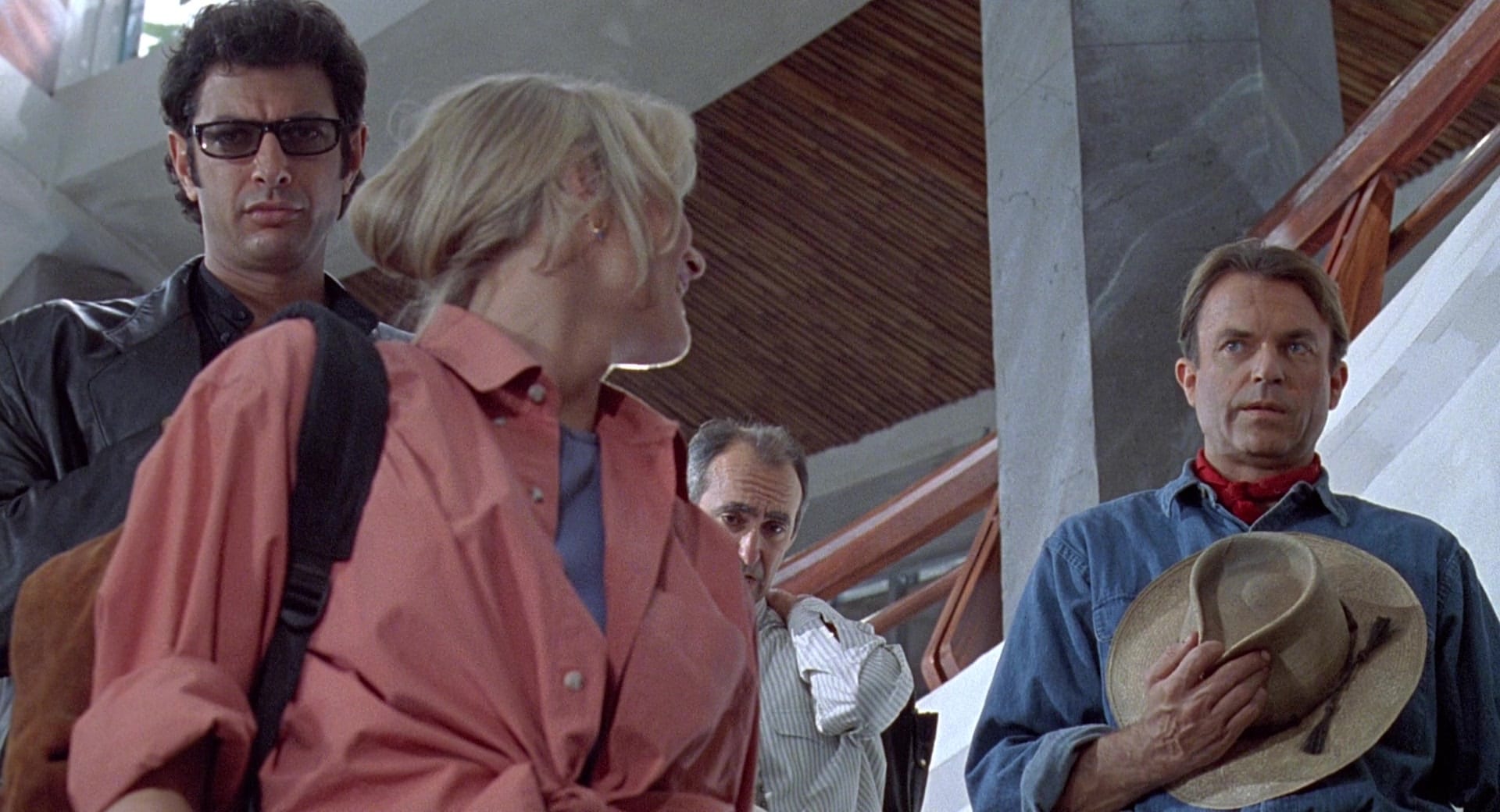
Hammond's move to invite his grandchildren to the park makes perfect sense to him. His daughter is getting a divorce and Tim and Lex need somewhere to be. Plus they're the target audience for this dinosaur theme park! Perfect synergy.
The scene adds a new narrative wrinkle with adding kids into the mix, should something go wrong, but it also gives a moment to remind the audience about the inner lives of the characters.
Ellie gives Alan this cheeky little grin on the stairs as the kids arrive, and he draws back. There's a defensive way he's holding his hate in front of himself, an anxious grimace on his face. It's not the central tension of the immediate scene, but it reminds the audience of a recurring tension between these two characters.
Who's riding with Dr. Grant?
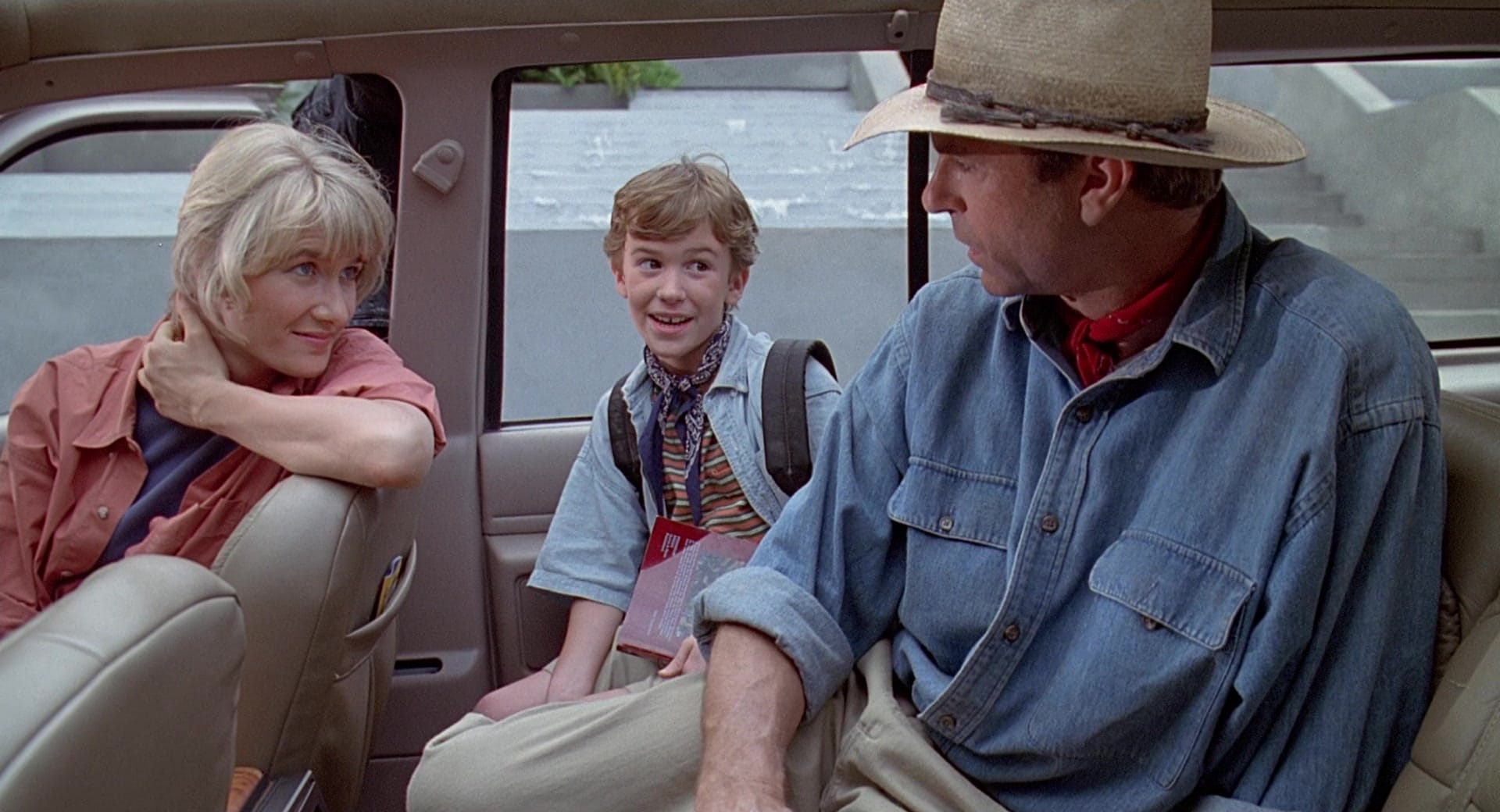
It's a classic Spielberg Oner, watching as Dr. Grant decides which of two jeeps he's going to get into, and having Tim spit dinosaur facts at him incessantly. Tim's outfit is even coded to look a lot like Alan's, with the denim button down and the neckerchief.
But this isn't hero worship, which could lessen the tension for Dr. Grant. This kid is talking about another paleontologist's arguments that refute what Grant has written about. Tim's presence antagonizes simply by being a kid, but specifically in how he challenges Alan's expertise.
This is amplified by the logistics: There are six people who have to split up between two jeeps. Someone needs to ride with the kids, and Ellie even tells Lex she should try to ride with Dr. Grant.
The scene's comedy comes from how the details work together to make Dr. Grant as uncomfortable as possible, and uncomfortable in a way that is specifically tailored to what the audience knows about him as a person.
Saving Children from a T-Rex
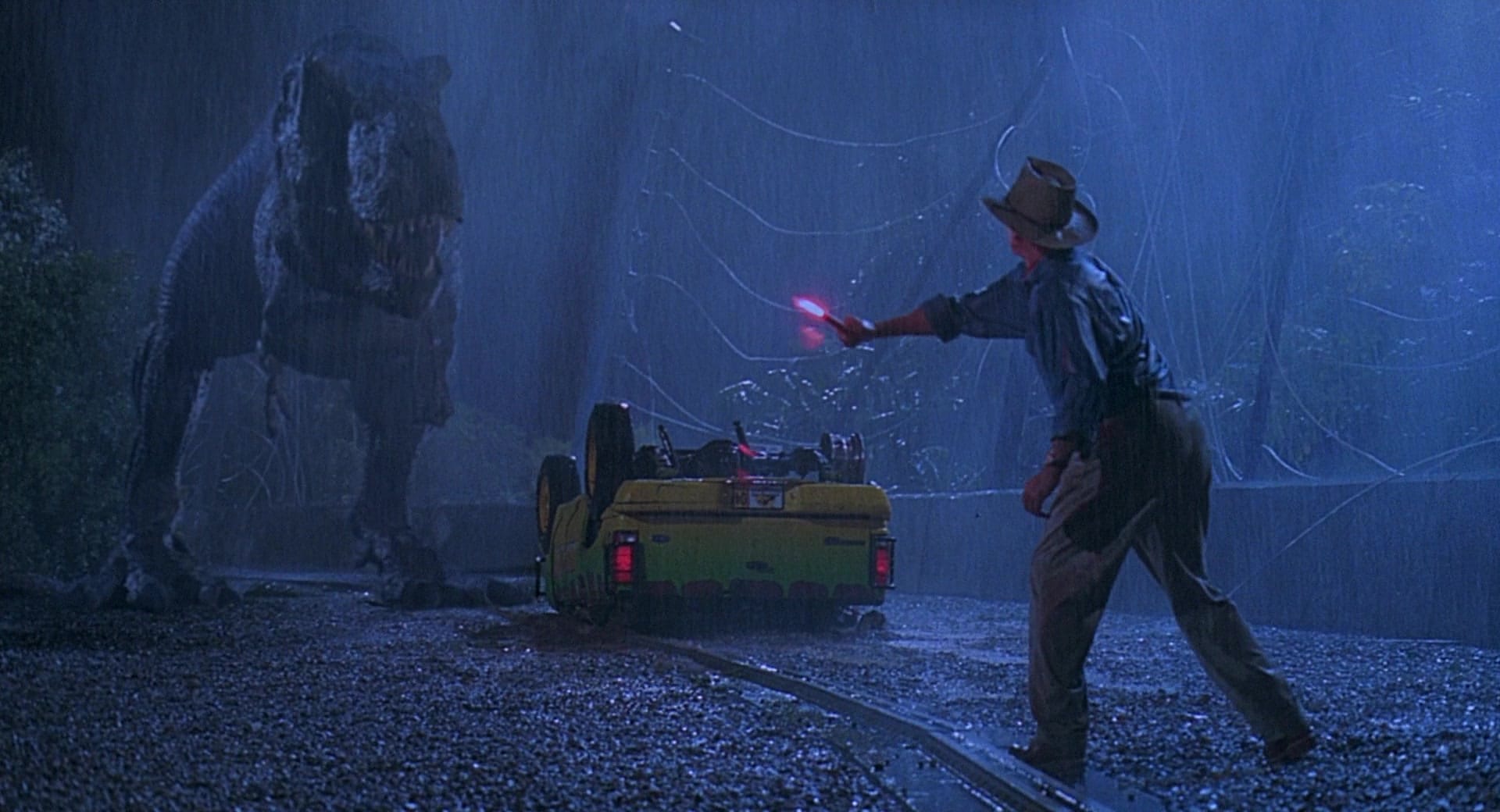
Once we get to the point in the tour of the island where security shuts down, there's a new consideration Dr. Grant needs to make. Yes, he dislikes children, but does he dislike them enough to do nothing and watch them get eaten by a T-Rex?
There's a limit, and Alan grabs a flare to distract the T-Rex so he can get to Tim and Lex to help them escape.
This becomes a turning point for Grant's internal struggle about children. He's connecting his fate to the fate of these two kids, making himself responsible for their safety.
Making a promise to Lex
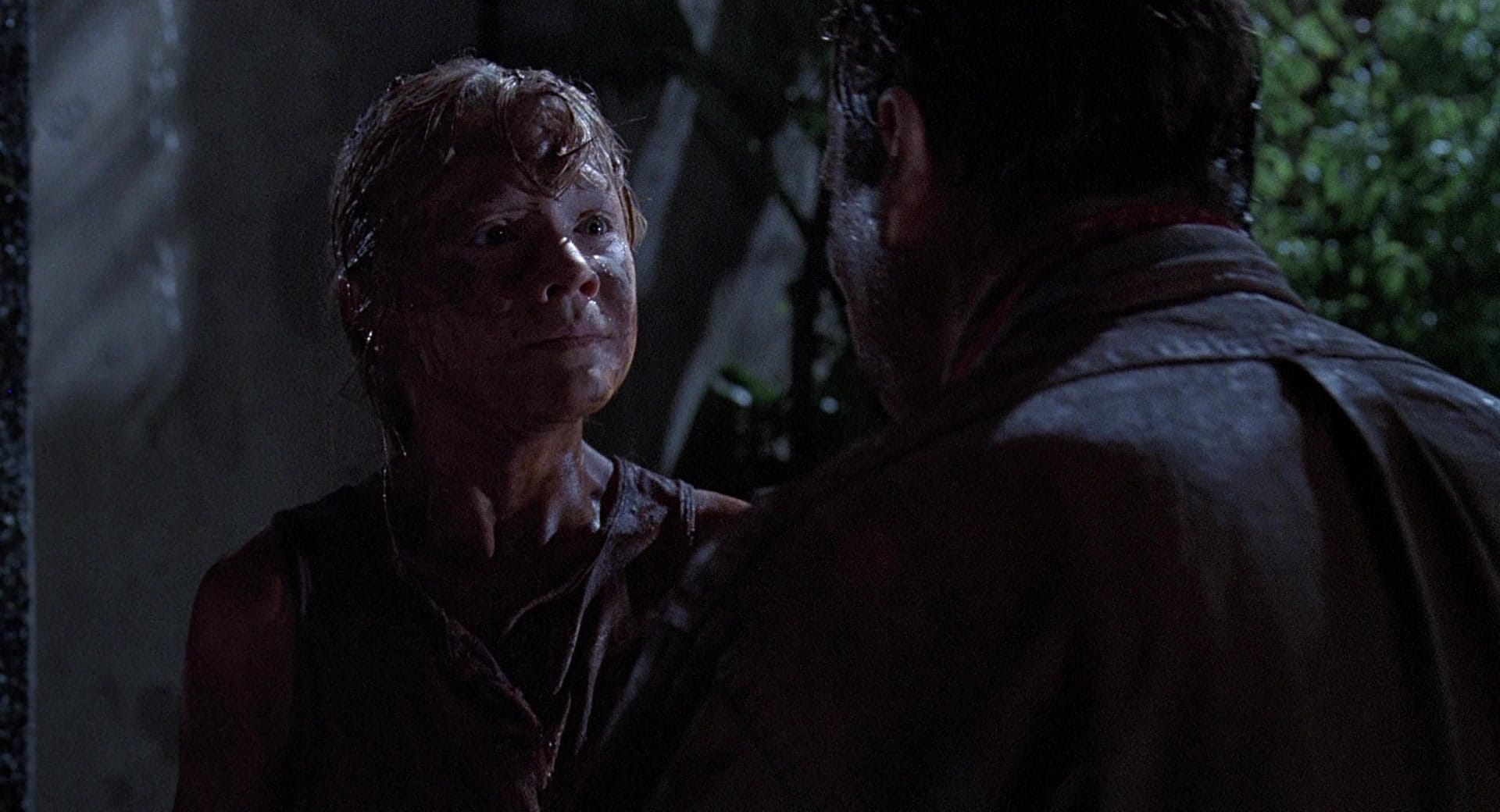
Somehow Lex is just learning not to trust lawyers. After Gennaro abandoned the kids in the jeep with the T-Rex outside, Lex doesn't want another adult to leave her to fend for herself in a dangerous place. But Tim is stuck up in a tree with the Jeep they were just in, and Alan needs to help him down.
Grant doesn't do a great job of calming her, because he's learning as he goes, but he does make a clear declarative statement:
LEX
He left us! He left us!
GRANT
But that's not what I'm gonna do.
Chills.
It gives Lex space to take a breath and allow Alan to prove himself as a guardian, but it's also a moment where we see Dr. Grant actively making a promise to be a protector for these children.
It's all part of his progression: Kids are smelly and bad > but I guess they shouldn't die horribly > and I will stay with these kids and get them to safety.
Bringing Tim down from the tree
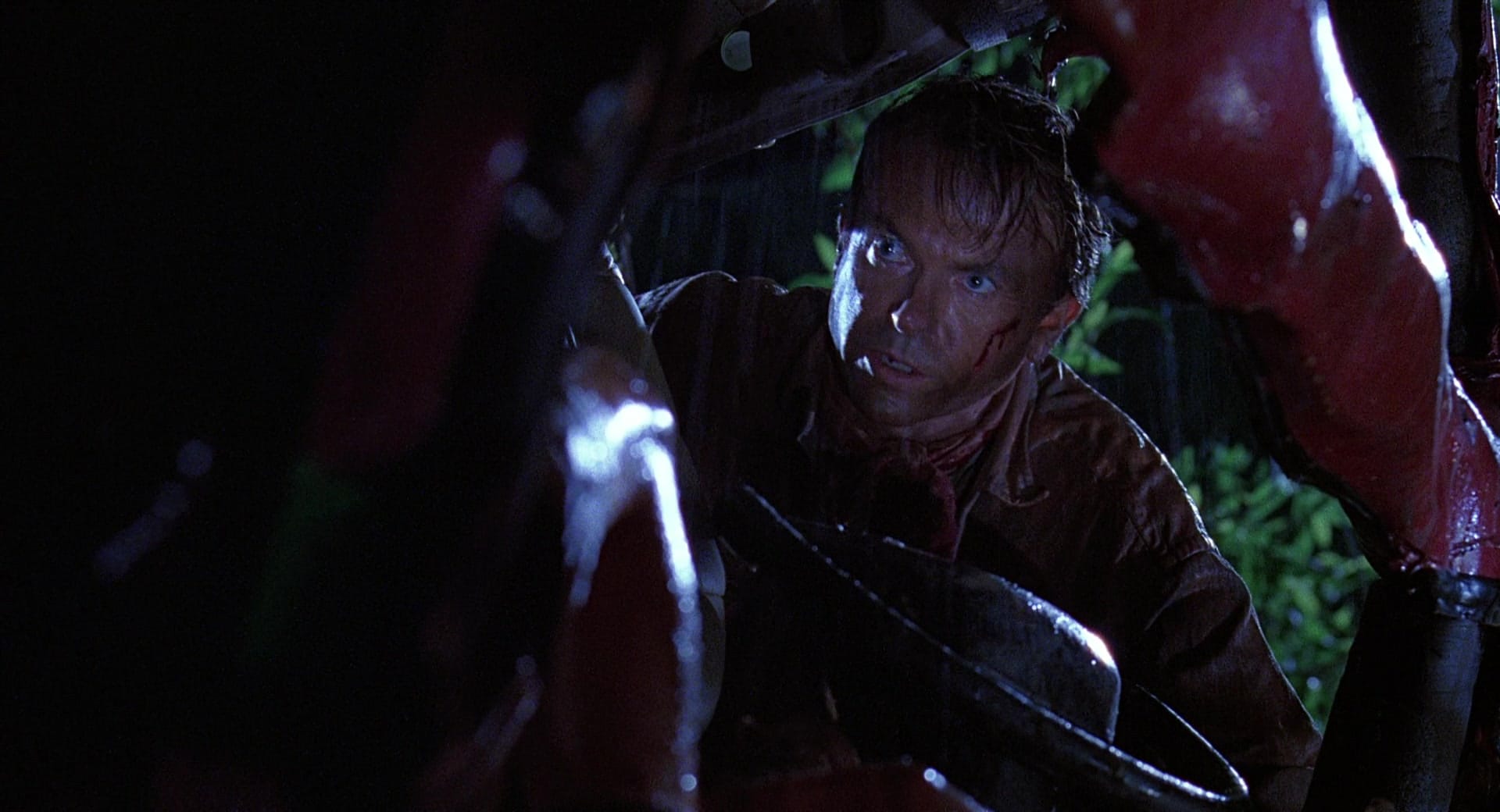
Alan climbs up into the tree to help Tim and finds that Tim has thrown up inside what's left of the jeep. He's scared and embarrassed, and Dr. Grant needs to convince him to come closer and get out of the jeep.
Once Tim's planted on the branches with Alan, the audience gets a taste of something else that unites these characters beyond a love of dinosaurs:
GRANT
It's just like coming out of a tree house. Did your dad ever build you a tree house, Tim?
TIM
No.
GRANT
Yeah, me too.
Love of dinosaurs. Similar fashion sense. Implied absent fathers. Discomfort with heights.
The action beat requires them to get out of the tree before the jeep falls on them as the branches holding it up snap. The character arc requires this moment of empathy to show Dr. Grant finding common ground with a specific child. It's a big step for him.
Putting the stinky, noisy children to bed
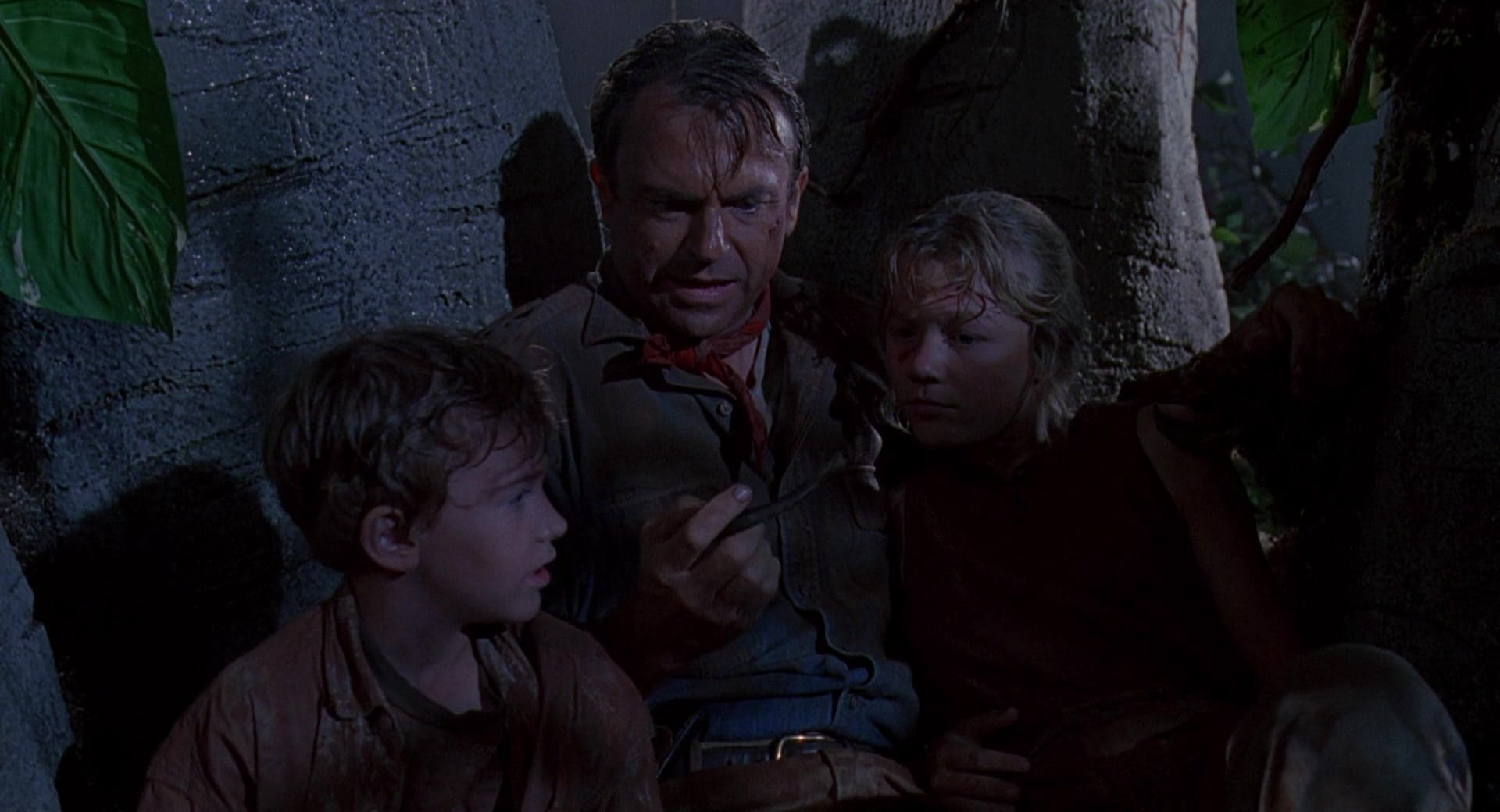
After scouting out a different tree as a great place to rest for the night, the kids snuggle in against Alan. But something feels wrong?
It's the raptor claw, still in his pocket. The one he used earlier to scare a child; to put distance between himself and the child.
But now he's letting these kids in, and that defensiveness doesn't serve him anymore. That part of him that brandishes that claw and stands in judgment of children as annoyances doesn't feel right. So he lets it go, literally.
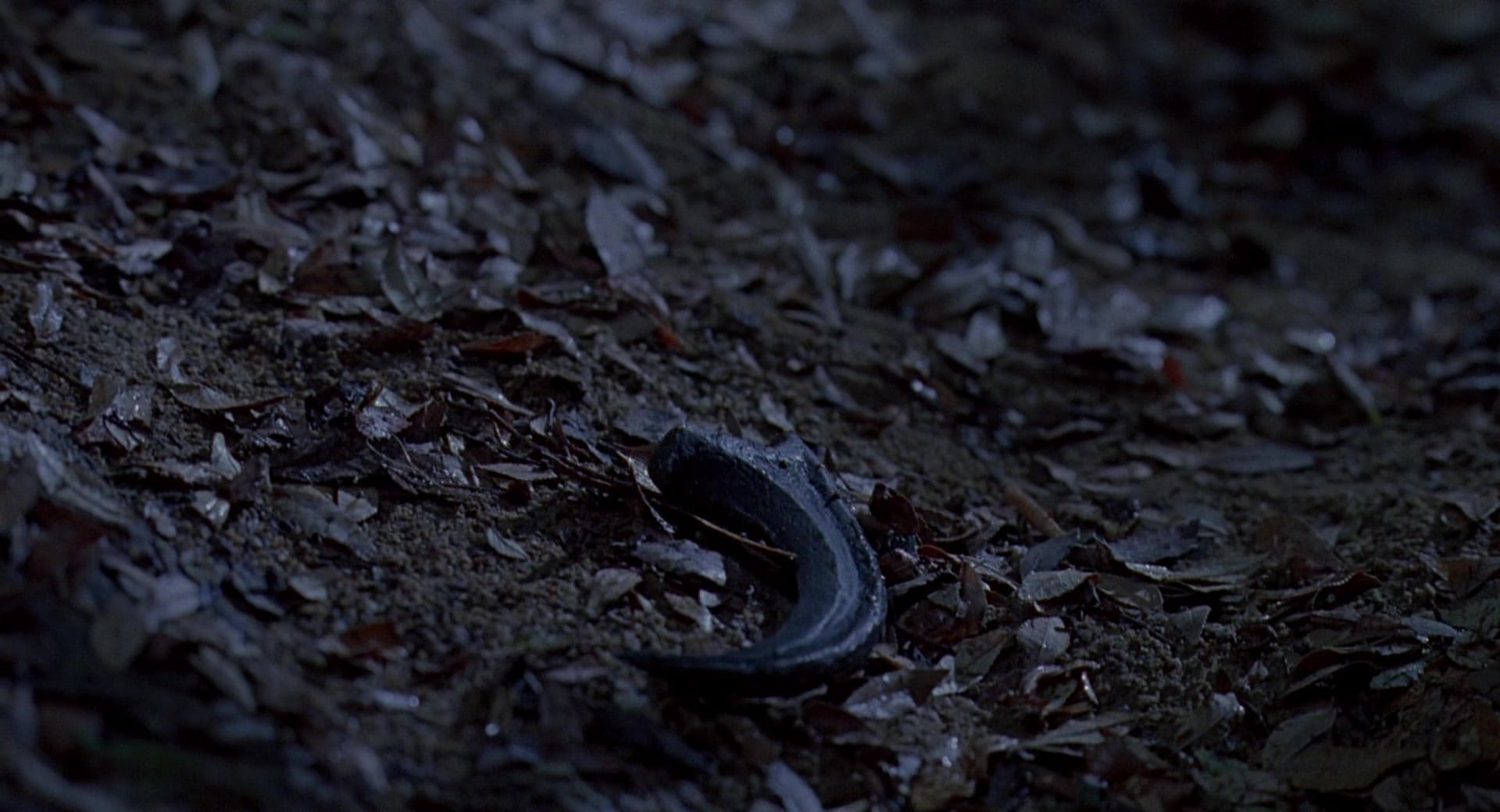
And then we're done growing
For the most part.
This is the point in the film where we're approaching the end game. Dr. Grant has changed enough for him to willingly treat these two kids with care and empathy as they make their way to safety.
Once we need to continuously run and fight for our lives, there's not as much time to slow down and grow as people. By spending time wrestling with his feelings earlier on, he now has the focus and purpose to wrestle with dinosaurs.
But because the audience sees this transformation, and the way Dr. Grant overcomes his initial emotions and sense of self, the audience invests more in this character's journey when the story reaches the point where it moves from dino set piece to dino set piece. Developing his emotional attachment to the kids at a believable pace through specific beats fuels audience attachment and gives that little extra push of determination Alan needs to get them safely across the finish line.
Takeaways
- Character beats are story beats with a point of view. Dr. Grant sets the stakes for later action set pieces by explaining how the T-Rex and Velociraptor hunts, but it's woven into a scene where he's trying to scare a smug child. Anybody could rescue Tim from the tree, but because it's Dr. Grant, we learn that there's more than a love of dinosaurs that connects these two characters. An action needs to happen because of the structure of cause and effect in the story, but who takes part is a matter of character.
- The things they carry (or leave behind). Items like Dr. Grant's raptor claw are signifiers. Drawing attention to them highlights a specific aspect of the character and fills them with purpose. The relationship to the object represents a relationship to a feeling or idea.
- The world forces the confrontation, not the change. From the moment we meet Dr. Grant, this story confronts him about his feelings toward children. At any point he could choose to act differently. There's little stopping him from abandoning the kids or yeeting Tim at an approaching carnivore to buy some time. But he is constantly put in situations where he must deal with whether his previous biases against children are important to him, or if his actions will lead him to new conclusions.