🤯 #301 - Okay, Doomer.
In some stories the future isn't bright, but you gotta wear mirrored shades. We're talking dystopian storytelling and the discomfort of when far-flung futures start to feel all too real.

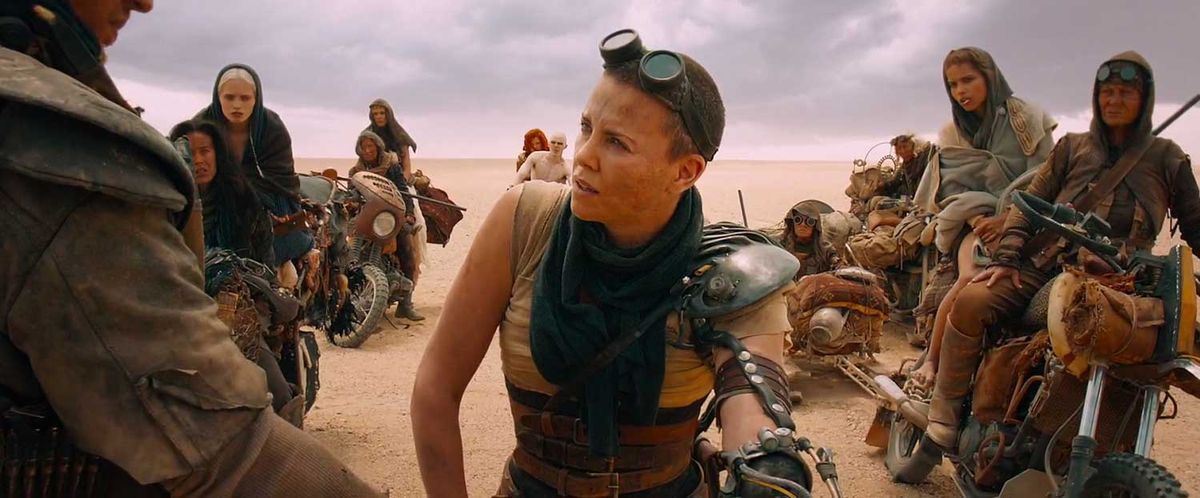
Are our dystopian visions getting worse? Do storytellers looking to create a cautionary tale about the future feel the need to pump things up to near-Warhammer 40,000 proportions? Is there a fear that your harrowing vision of what could be feels a little too ripped-from-the-headlines?
Eve Smith considers the sense of a narrowing gap between reality and dystopian fiction, and how part of that may be the way that we’re entering an age of accelerating change based on the unsolved problems of the past.
Yume Kitasei highlights how dystopian worldbuilding is not always about creating a plausible chain of events from here to there, but can also amplify existing problems within society to test what happens when pushed to an extreme. But the passage of time can take the even the most fantastic dystopias and reshape them as frighteningly prescient.
Jill Lepore presents the trends of dystopian fiction, going back decades to ask if the concept has lost its political edge and become an oddly comforting sedative. It’s easier to all fear the future than to construct a potentially positive path forward.
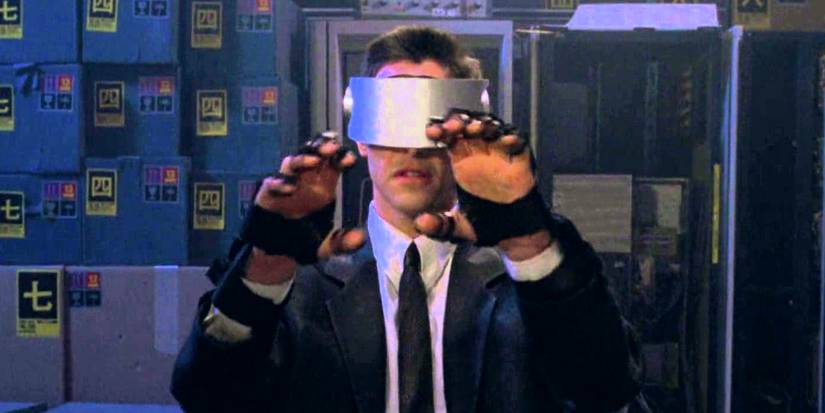
Neal Stephenson suggests that it’s not just that an audience can quickly understand a broken world more easily than they can give themselves over to a vision of a brighter future. His perspective on why the focus on dystopias over utopias in film and television comes down to cost: It’s cheaper to make a setting look dirty and broken than it is to create the look of a future that showcases real improvements.
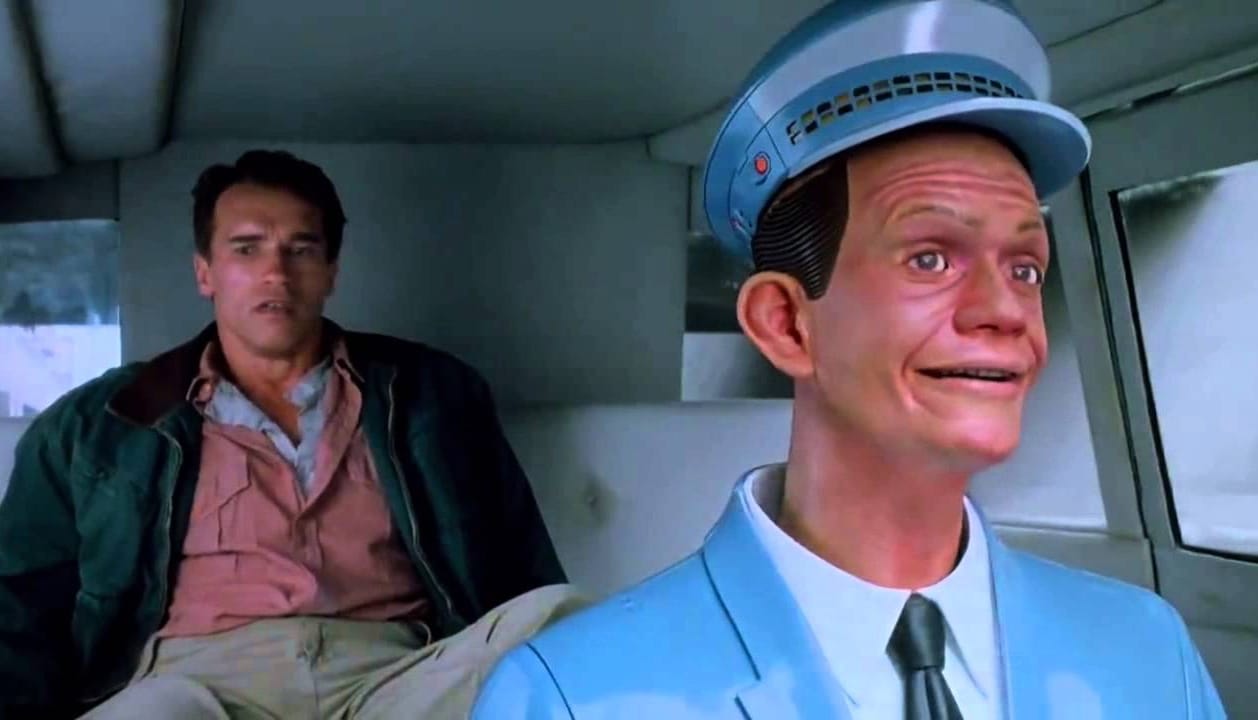
Rolsin Kiberd excavates the lost Facebook group “Boring Dystopia” to look at its message about living with a sense of a stolen future, and the broken promises of high tech efficiency.
Cool cyberpunk future: I slip on my synth overcoat and head out into the rainy neon of mega city hoping for a bowl of cricket ramen. The future we got: I slip on my crocs and try to get the walgreens employee to unlock a tube of toothpaste and wear a mask because no one believes in vaccines.
— Alt FBC (@cambrianera.radical.town) February 11, 2025 at 2:19 PM
Ali Riza Taşkale dissects the strategy behind tech companies co-opting science fiction as part of branding their projects, using the futurism of the past as a way to accumulate power in the present:
They take the look and feel of science fiction while throwing out its politics. They want the Enterprise, but with defense contracts. They want the warp drive, but not the equal society that made it possible. They want the adventure, but not the social change that gave it meaning.
Cal Newport calls out the AI marketing trend he calls “doom trolling,” where companies announce their products could eventually end the human species (but that’s no reason to stop). This leverages the acceptance of dystopian thinking to pave the way for unconstrained expansion of AI technologies.
A writer can't just plug in TODAY multiplied by X years of all things getting worse = Dystopian Setting. There's no formula to creating a dystopian fictional world.
What if everything got much better in the future, except for one important thing? What if there's a general sense of decline, but a single great leap forward in technology, medicine, or diplomacy recontextualizes existing problems? The specificity of the imagined future contains its political and moral potential.
👋 Are you new here?
Inneresting is a weekly newsletter about writing and things that are interesting to writers. Subscribe now to get more Inneresting things sent to your inbox.
And if you can't wait until next week for more Inneresting, check out the Quote-Unquote Apps Blog where we keep previous issues and other posts about screenwriting and things interesting to screenwriters.
In case you missed it...
In the most clicked link from our last issue, Liz Leatrice eulogizes the interesting, varied lives of people now resigned to spend their day moving from screen to screen and sharing how well they can reach for other people’s dreams.
What else is Inneresting?
- Mason Currey shares an anecdote from Mike Hadreas (aka Perfume Genius), about the creative benefit of switching the mode you normally work in.
- Hamilton Nolan draws attention to the pointlessness of reading bad faith arguments from political pundits pretending to offer advice to the opposition.
- E-Ticket Films explains the systems Disney parks use that create friction in order to monetize solutions to that friction.
And that’s what’s inneresting this week!
Inneresting is edited by Chris Csont, with contributions from readers like you and the entire Quote-Unquote team.
Are you enjoying this newsletter?
📧 Forward it to a friend and suggest they check it out.
🔗 Share a link to this post on social media.
🗣 Have ideas for future topics (or just want to say hello)? Reach out to Chris via email at inneresting@johnaugust.com, Bluesky @ccsont.bsky.social, or Mastodon @ccsont@mastodon.art