👋 #302 - Introducing Your Dystopia
What does it feel like to live in a dystopia? What's the street level view of this broken society you're writing a story in? We have examples to talk about in this week's Inneresting.

On the surface, introducing a dystopian world feels like making sure an audience knows key terminology and what it looks like in the setting of the story. But the depth of world building comes when those layers of detail point the audience toward the central questions a story wants to ask.
And the faster you get the audience comfortable with understanding the world, the quicker you can draw their focus to your specific story.
Let's jump right to some examples...
Blade Runner/Blade Runner 2049
Both films take place in the same world, decades apart, so it stands to reason that there are similarities with their early world building.
Starting off with a direct text-on-screen lore drop
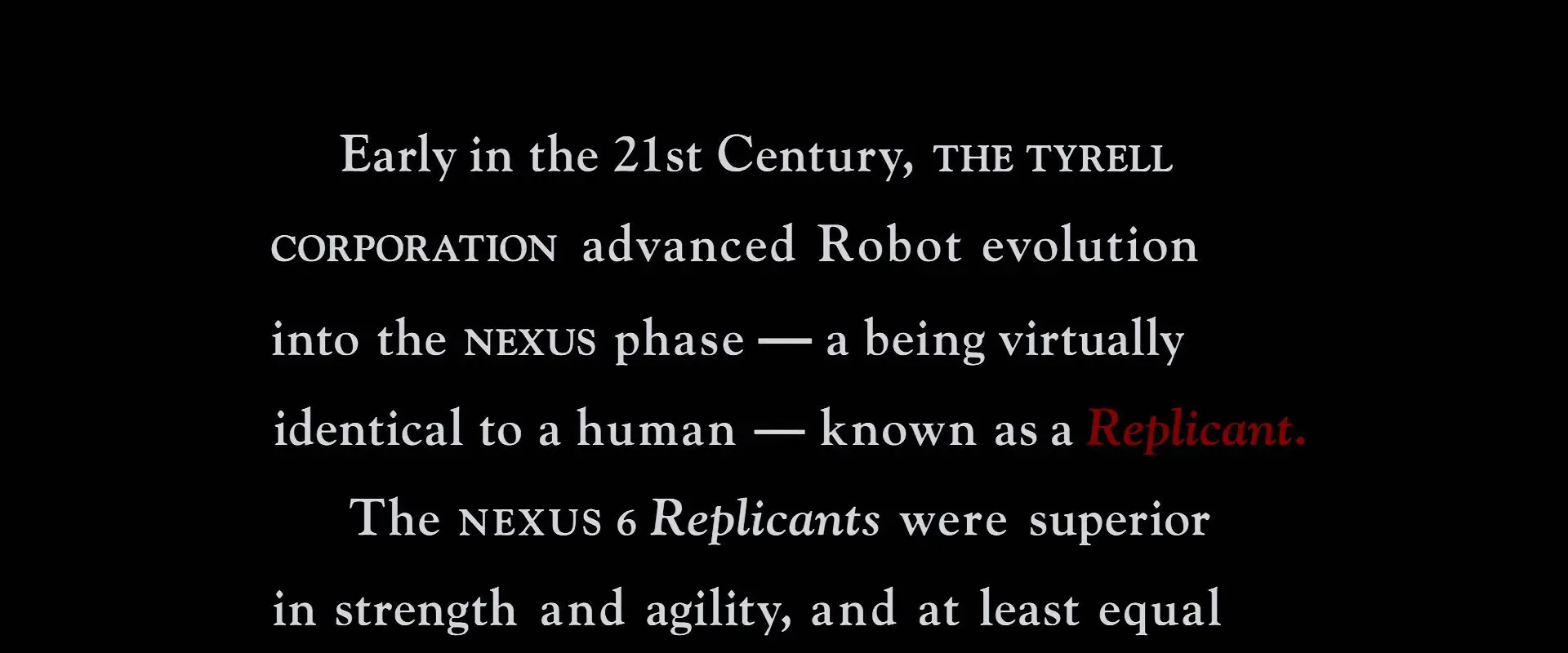
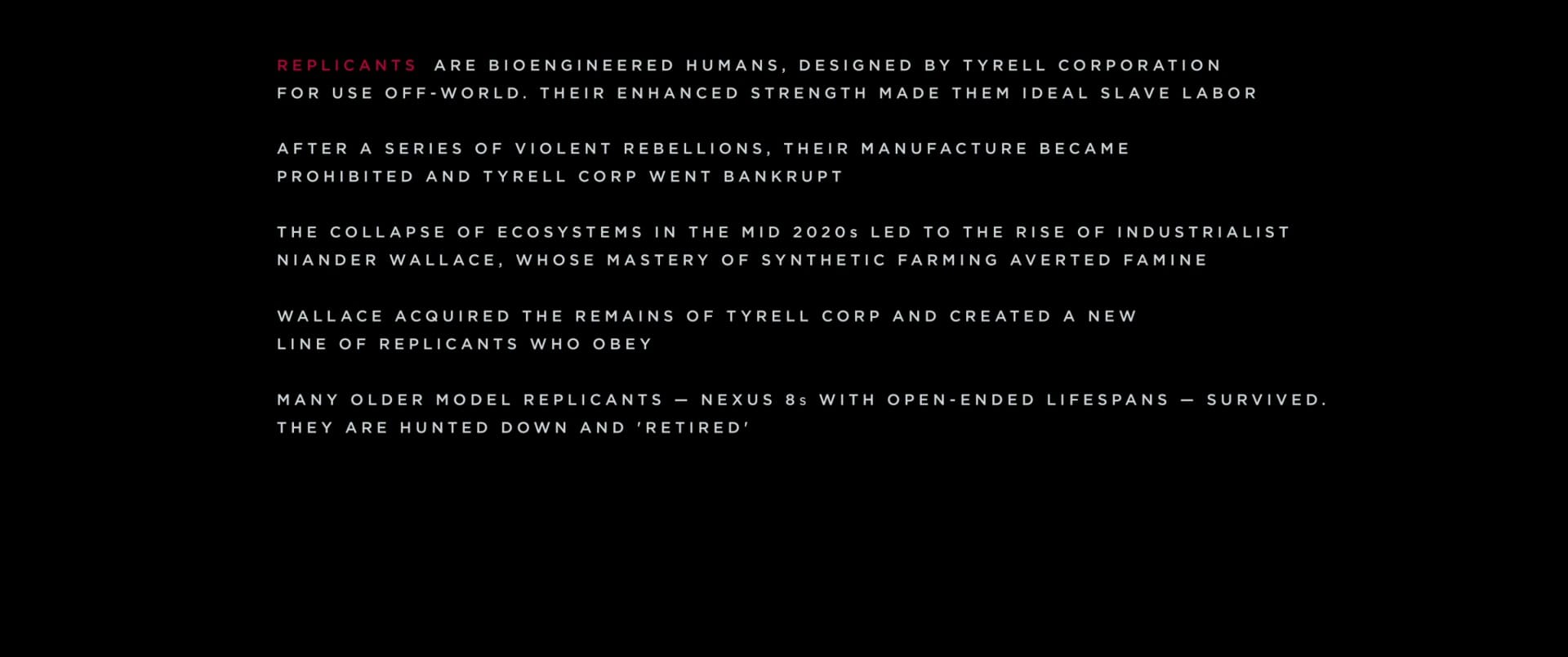
A prose prologue that sets the stage can be a useful expository tool when there's specific jargon. Stopping to explain things they all know damages the audience's immersion, and a few quick sentences covers it.
Flying cars and building-sized advertisements
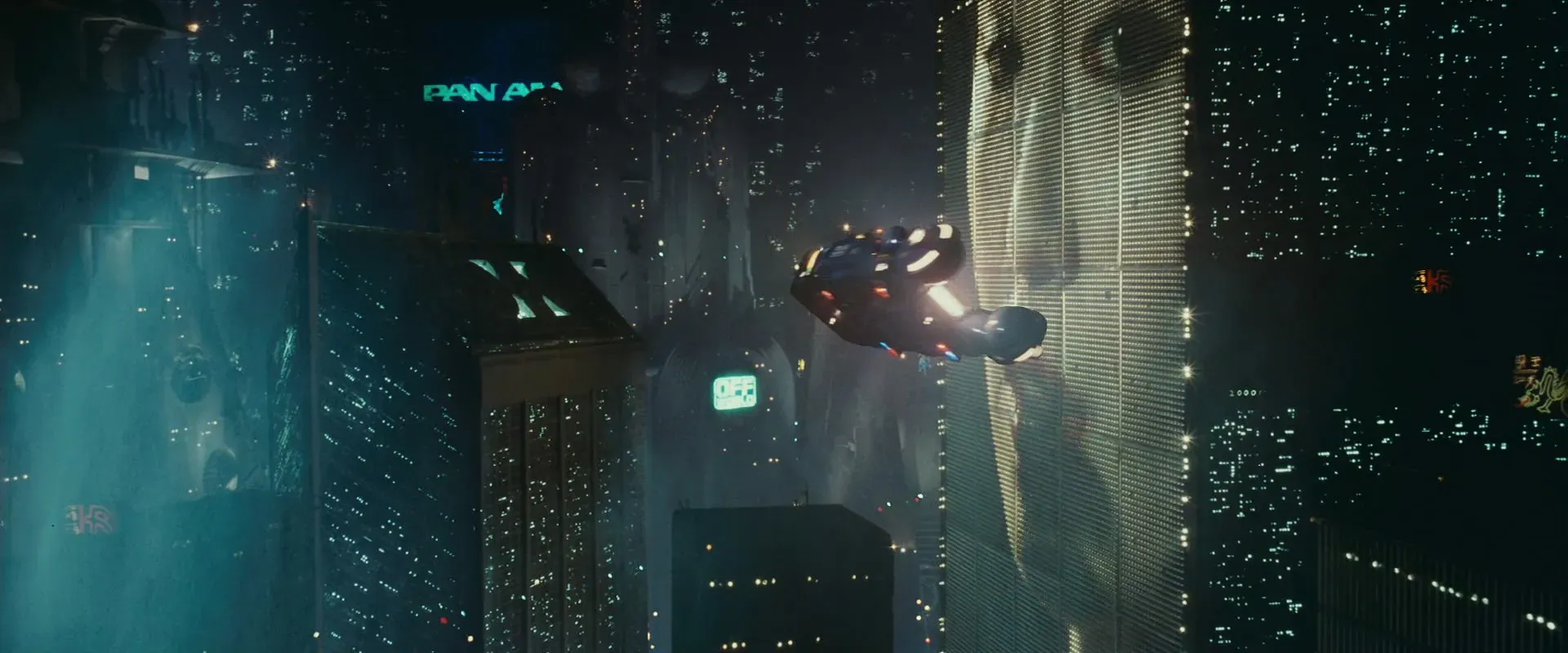
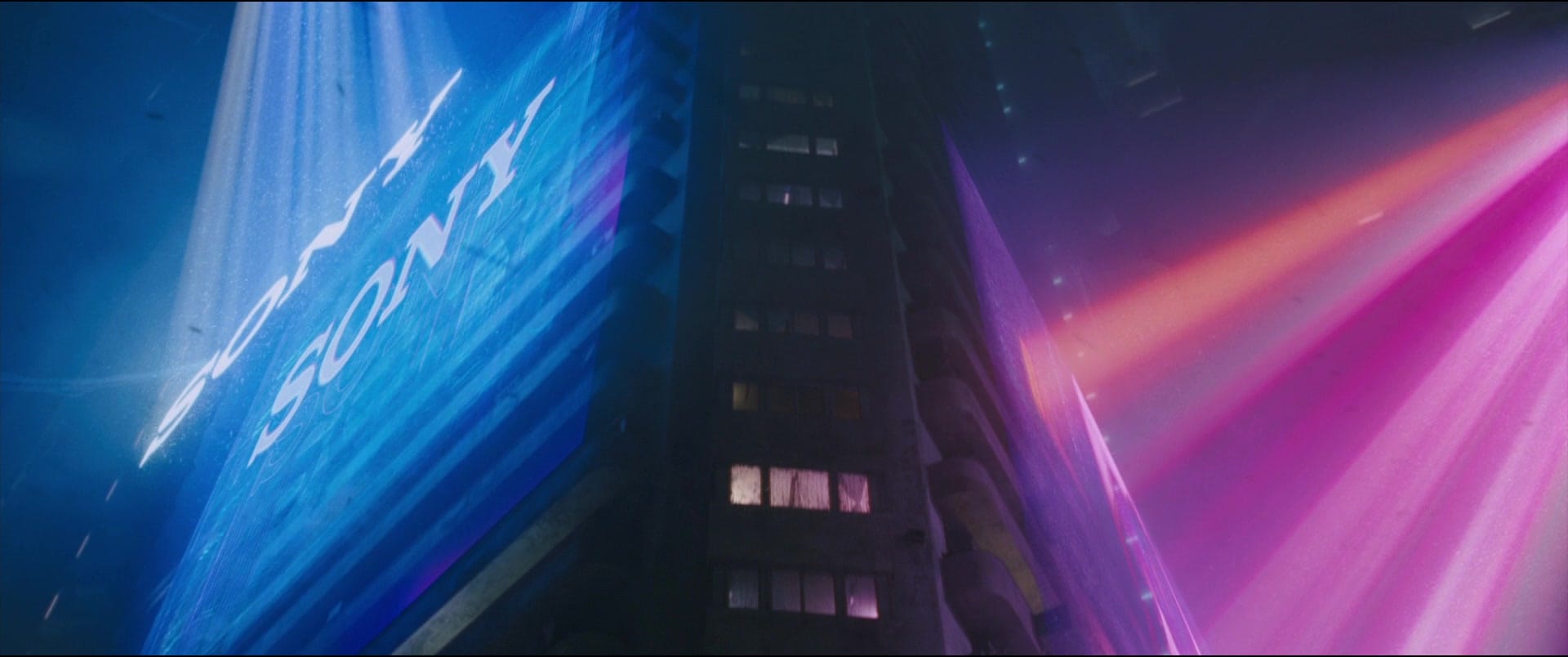
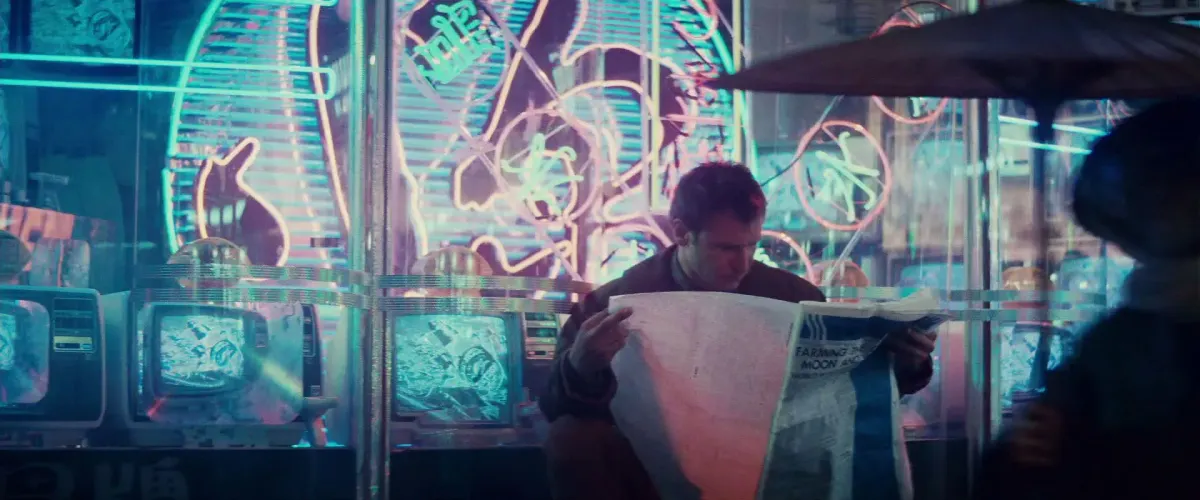
This is a world of inescapable corporate messaging. The main difference is the medium. The first film is built on neon and building-sized billboards, while the further future features advanced projection technology.
The city is filthy and crowded
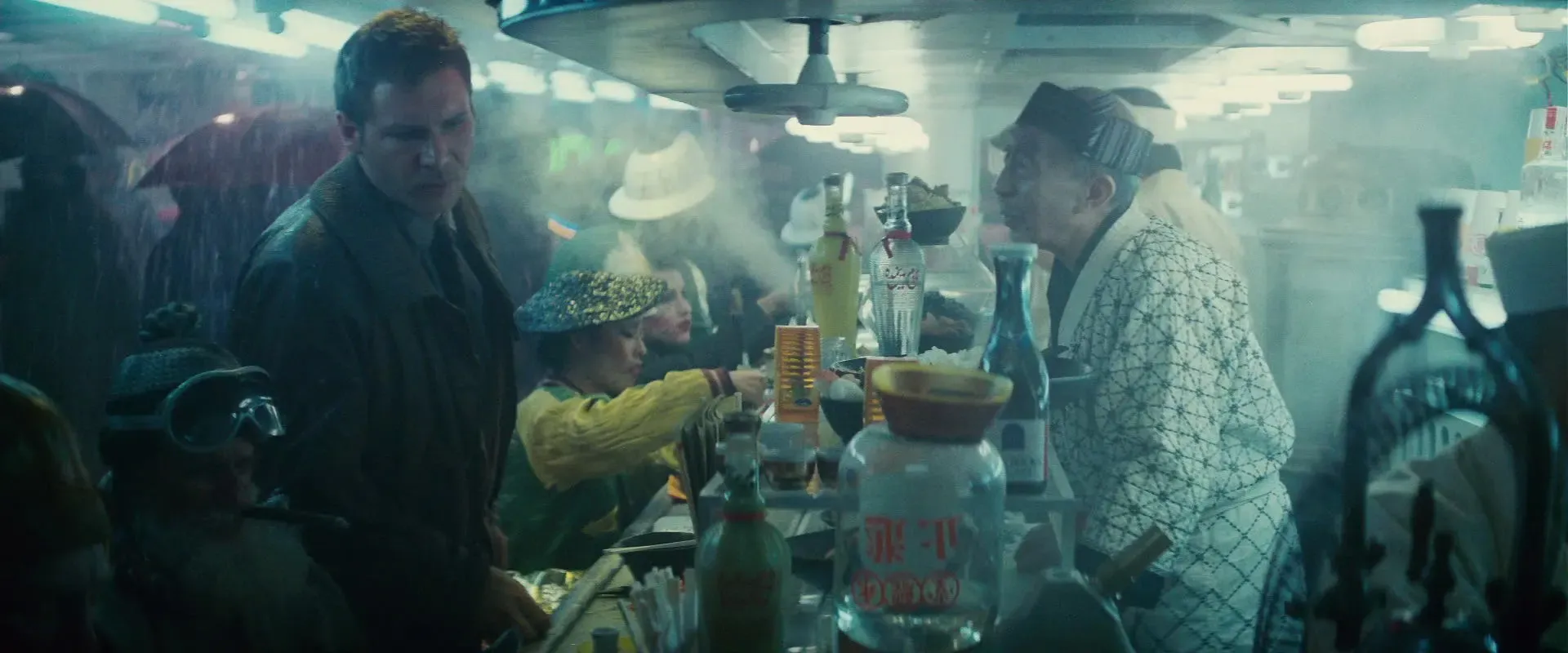
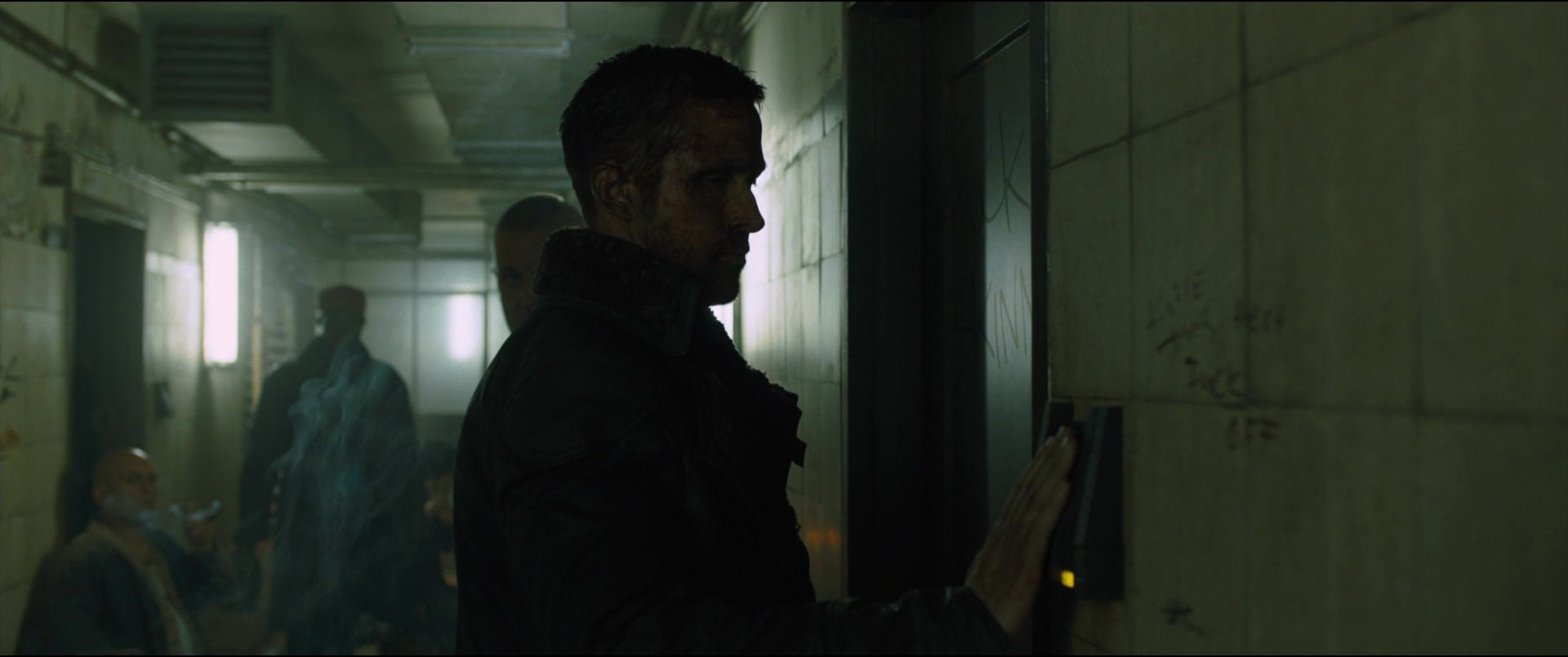
People stacked on top of each other with barely any room to squeeze by. The disparity between the splashy corporate light shows and the smoke-filled streets make it clear that we're not spending time in those moments with this world's billion and trillionaires.
But then we have some key differences. The first Blade Runner wears its film noir heart on its sleeve with the lighting, set decoration, and costumes.
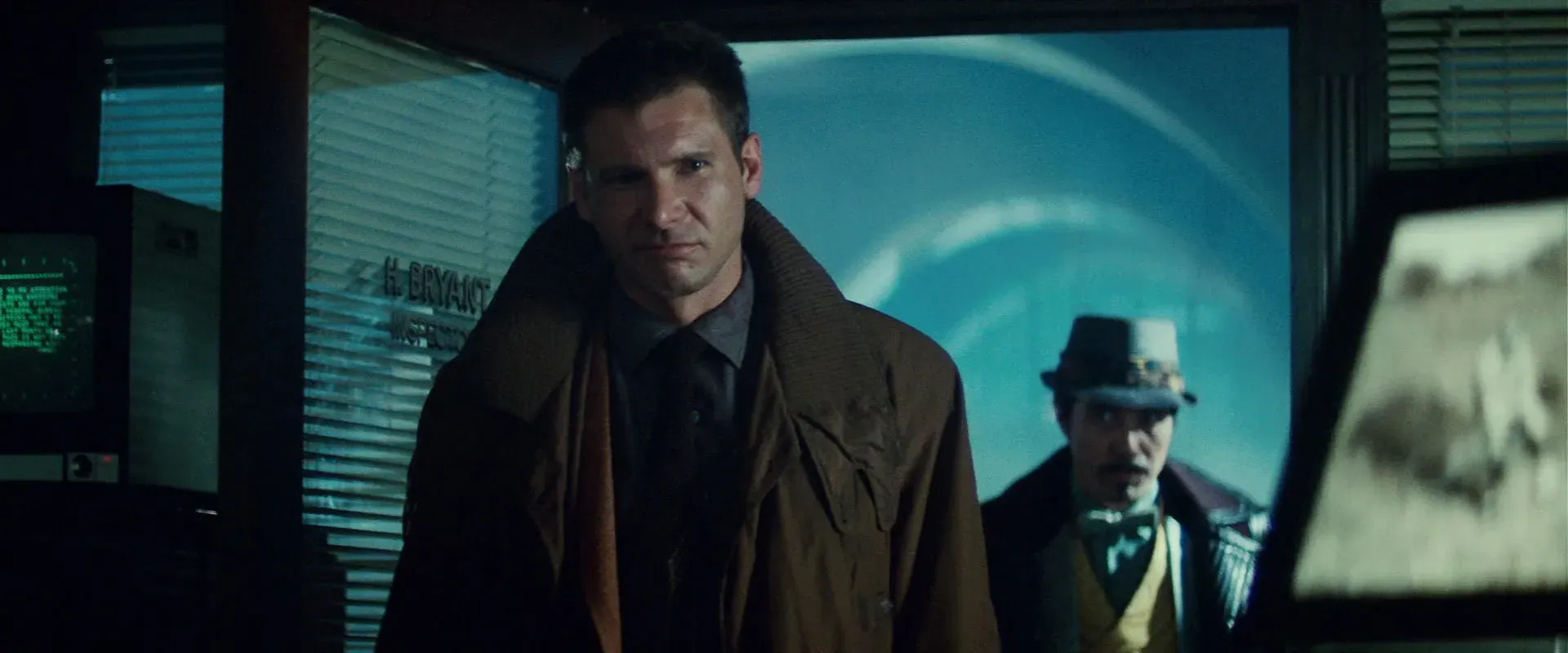
We're introduced in the first dialogue-driven scene to the Voight-Kampf Test, a method of asking questions and measuring physical responses in the eye to determine if someone is a Replicant or not.
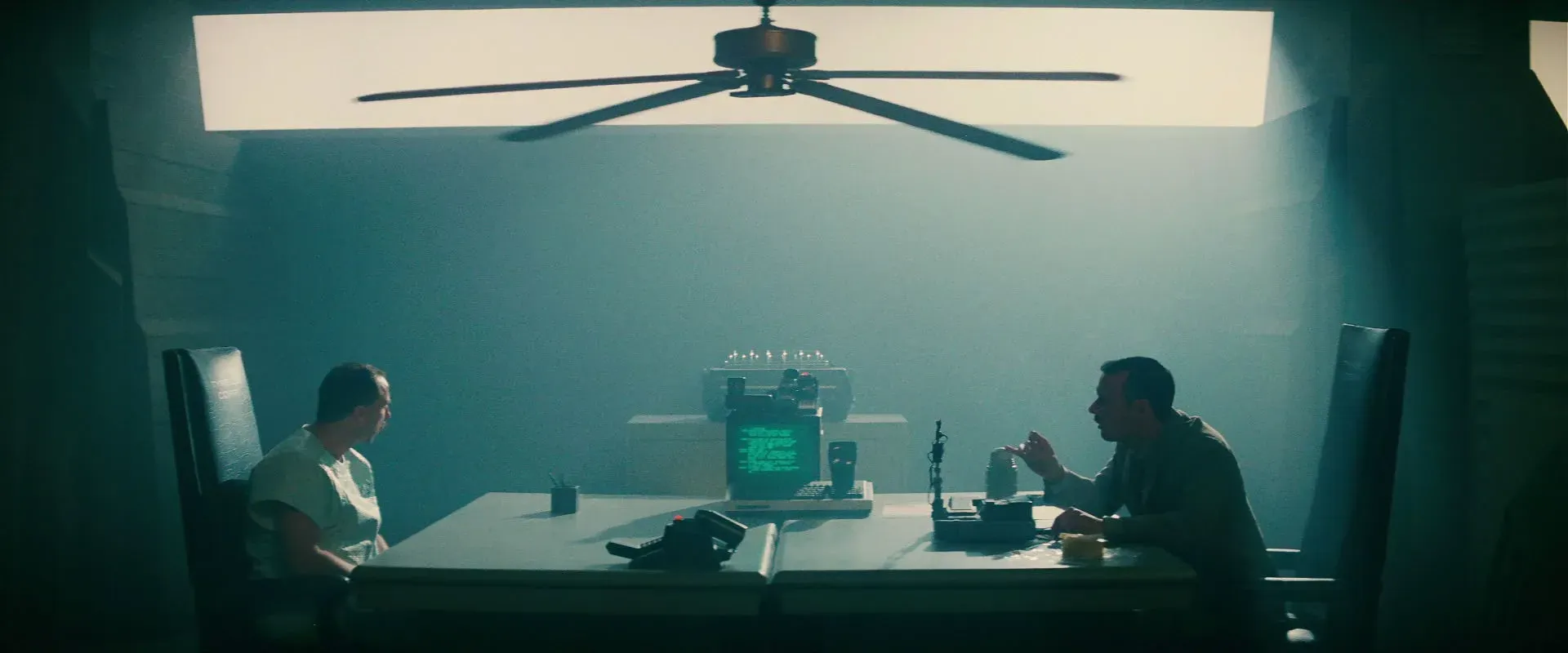
These design choices track. Film noir covers a post-war period of destabilized identities, changes in the labor force, and rising corporate power. Are Replicants human? How would we know?
But the sequel moves in a different direction. For example, there's no more Voight-Kampf. Replicants are stamped with ID numbers.
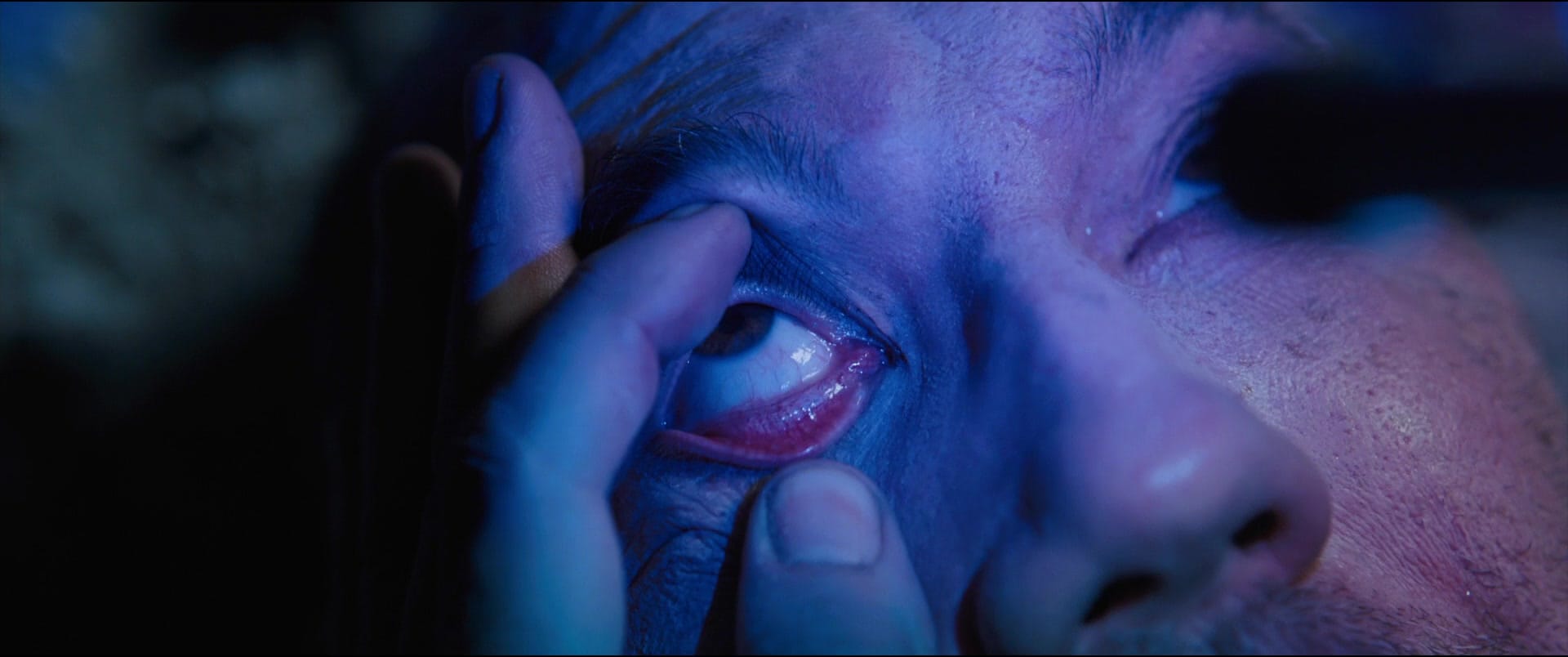
K, our protagonist, is a Replicant and knows it. He's required to regularly take a psych eval to check that he is operating under baseline standards. It recalls the tests from the previous film, but for a different purpose.
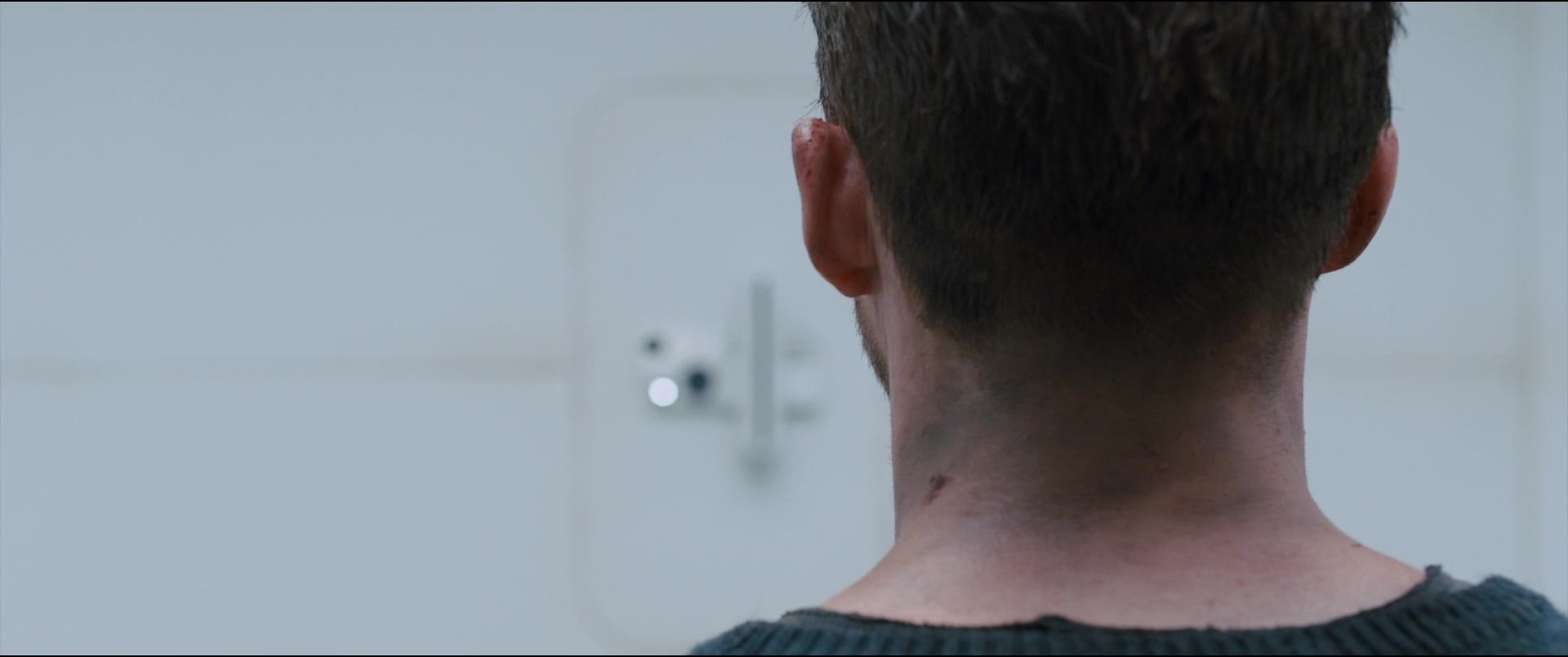
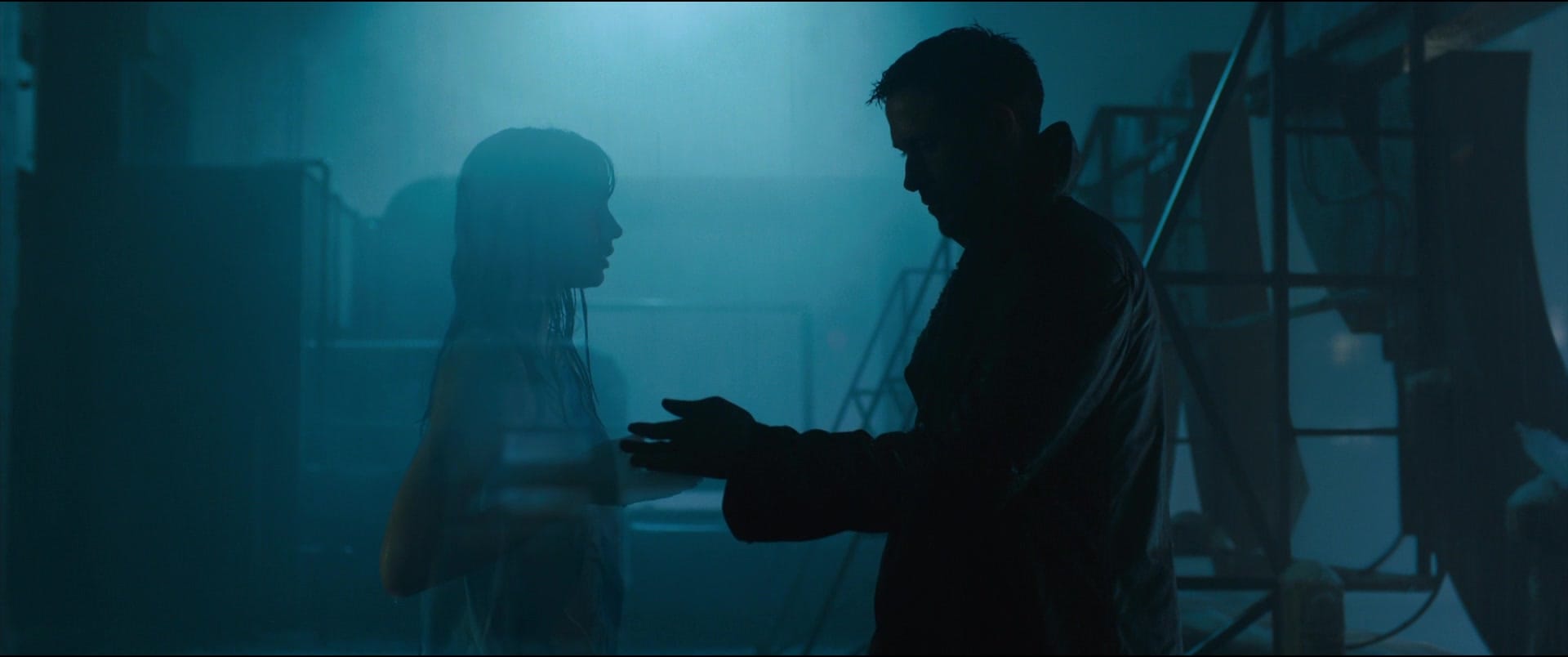
And where the previous story was about the first blurring of the boundaries between Human and Replicant, Blade Runner 2049 has a Replicant who hunts Replicants for his job and then goes home to his projection of an AI girlfriend.
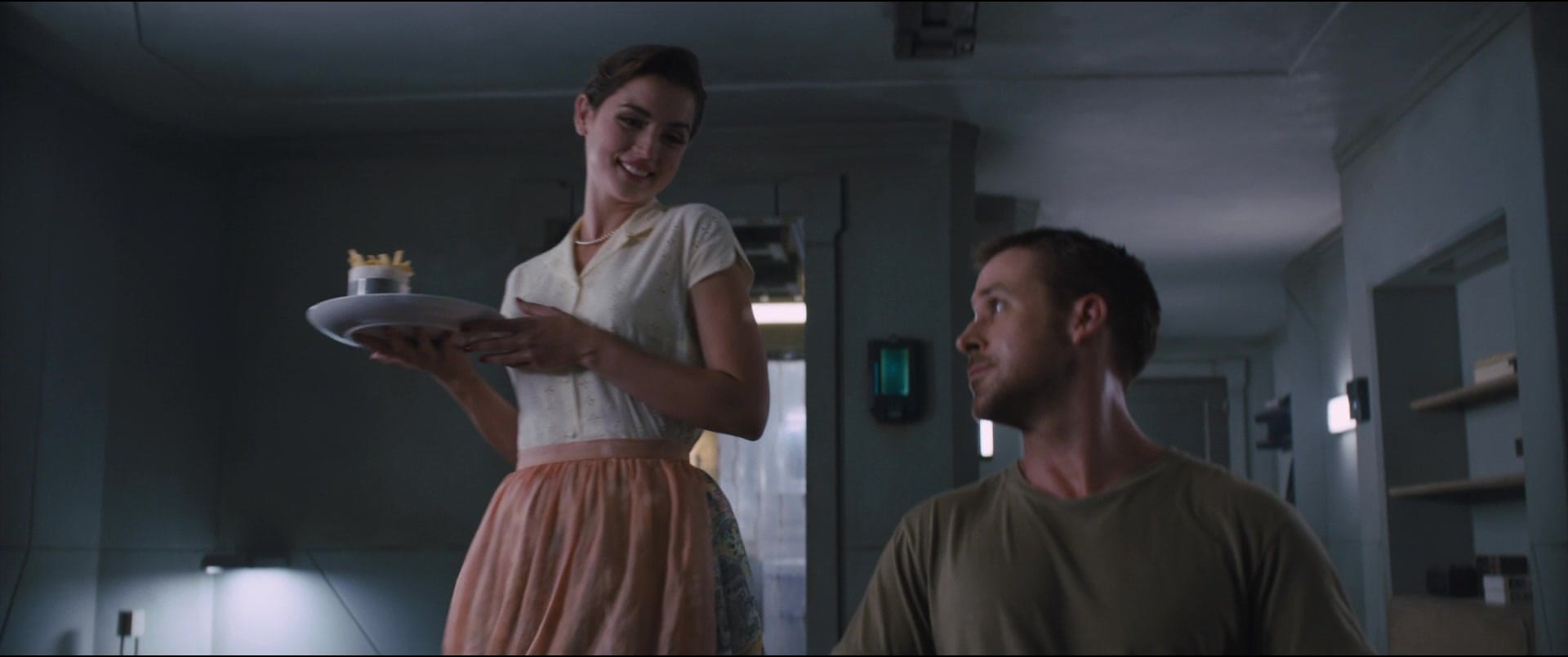
It's not only telling us how the world has progressed from the original film, but how the central questions of the story are moving toward something more nuanced. It's no longer about policing clear identities between man and manufactured synthetic, but about what would happen in a world where we acknowledge that "robots" might love? Might have as much of a soul as any human?
Children of Men
We previously covered some of the opening scene of this film in a blog post on using in-universe TV to deliver exposition, so we won't rehash those parts here. However, there are lots of other details laid out in the first few minutes of the film where the built environment explain exactly what kind of world it takes place in.
Yes, it's a story about a world with an epidemic of mass human infertility, but the details we see in the first few minutes highlight how the decaying world is built upon cruelty and control. This wouldn't be any place to raise a kid, even if you could.
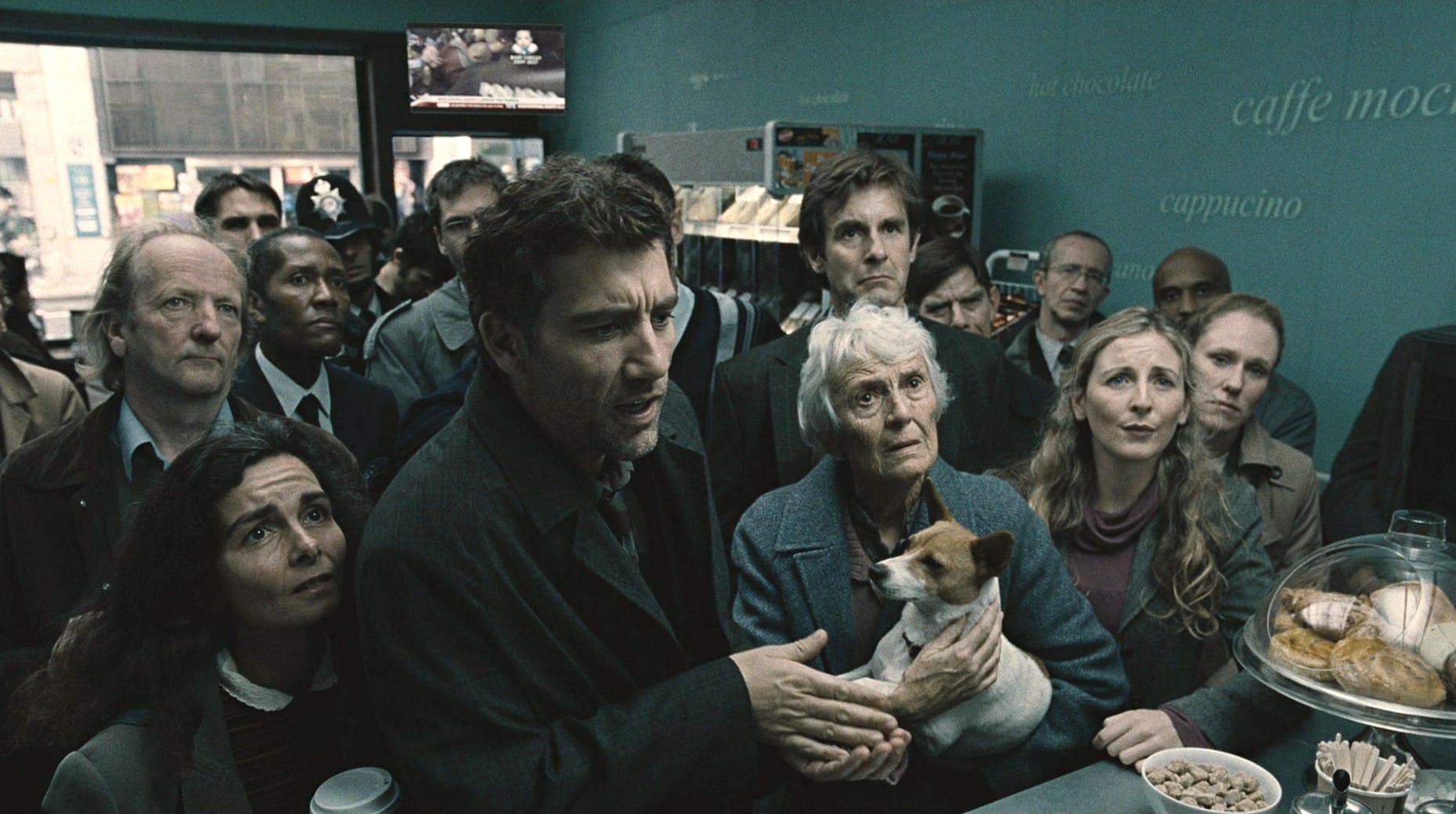
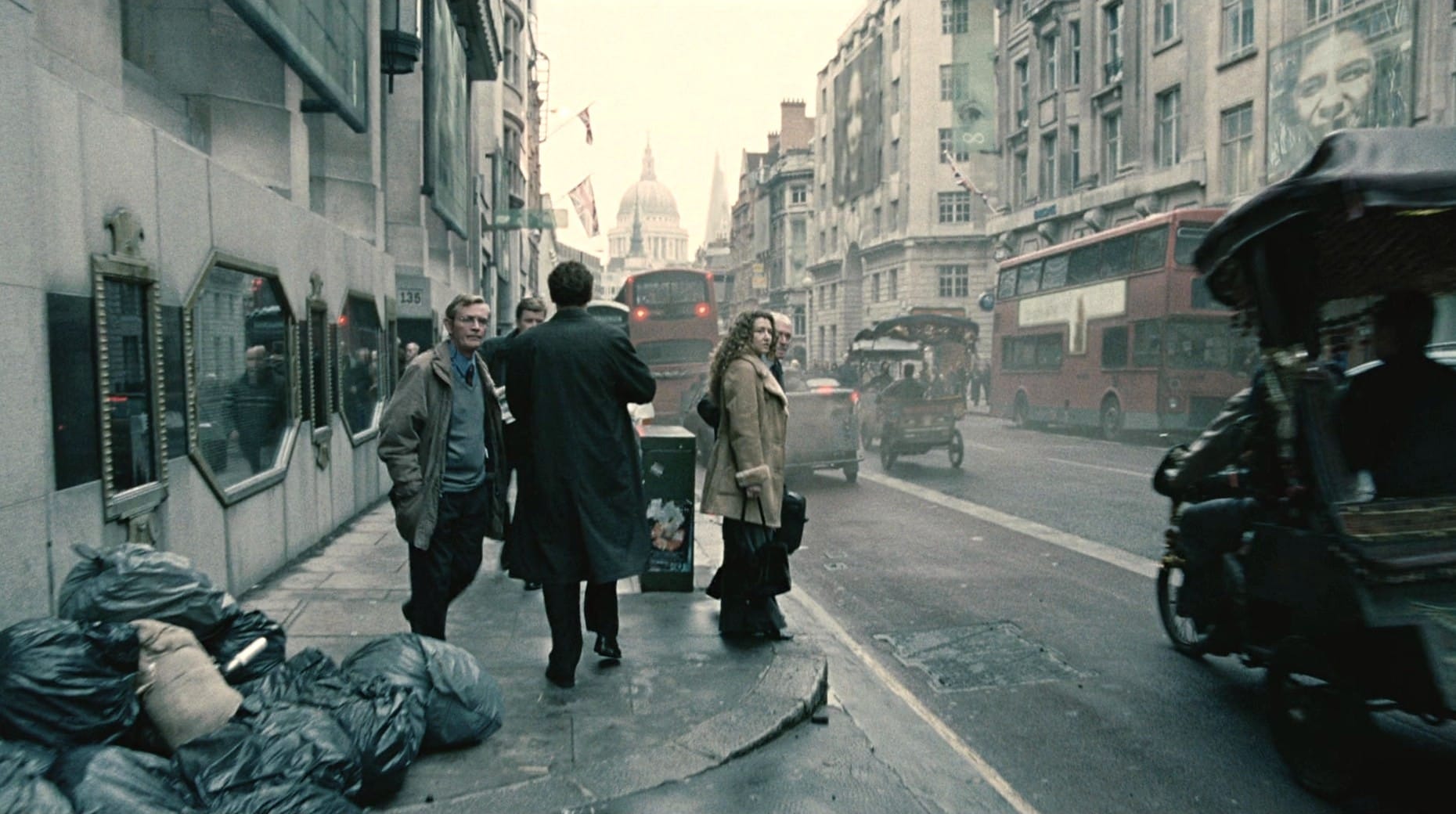
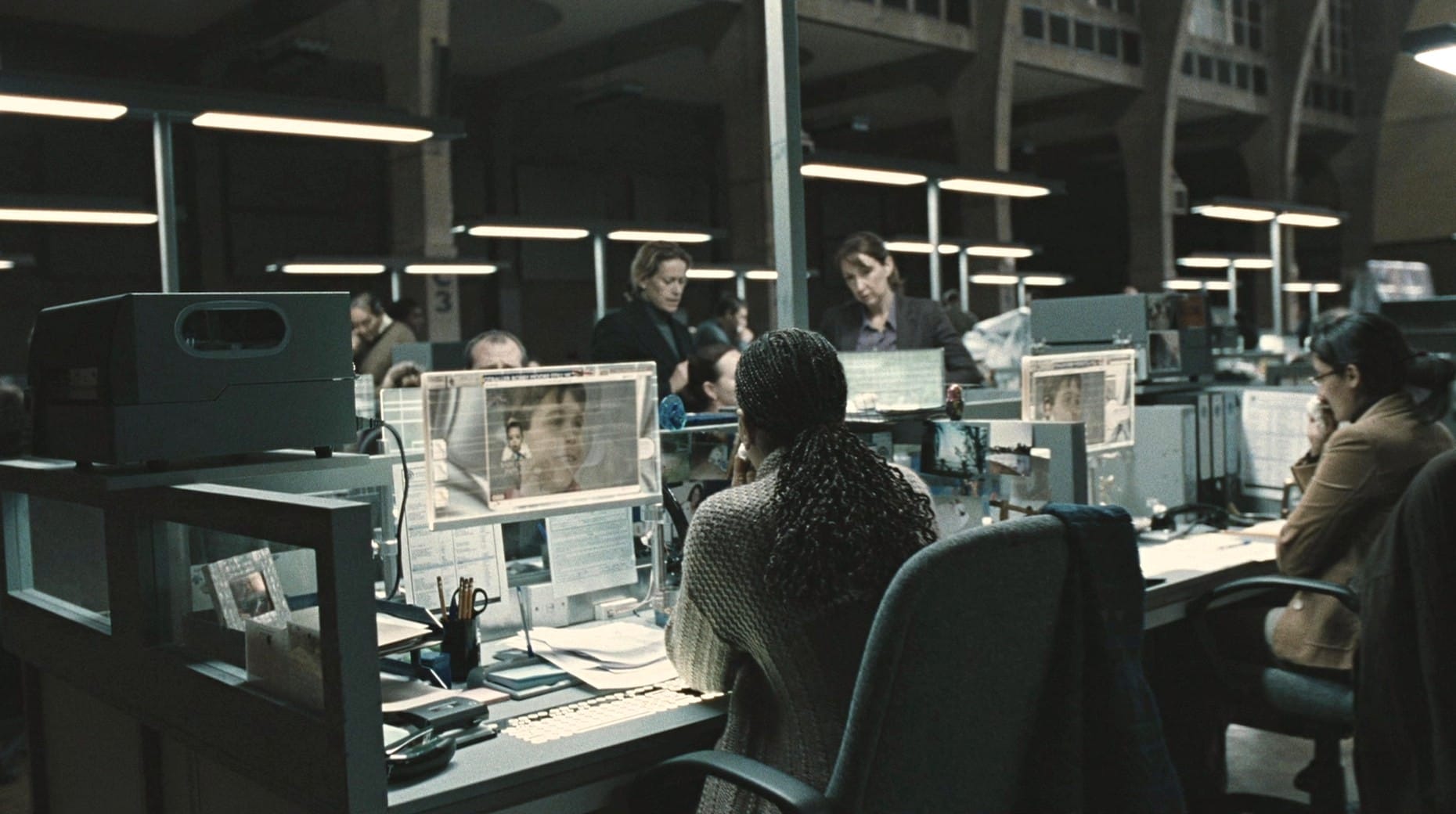
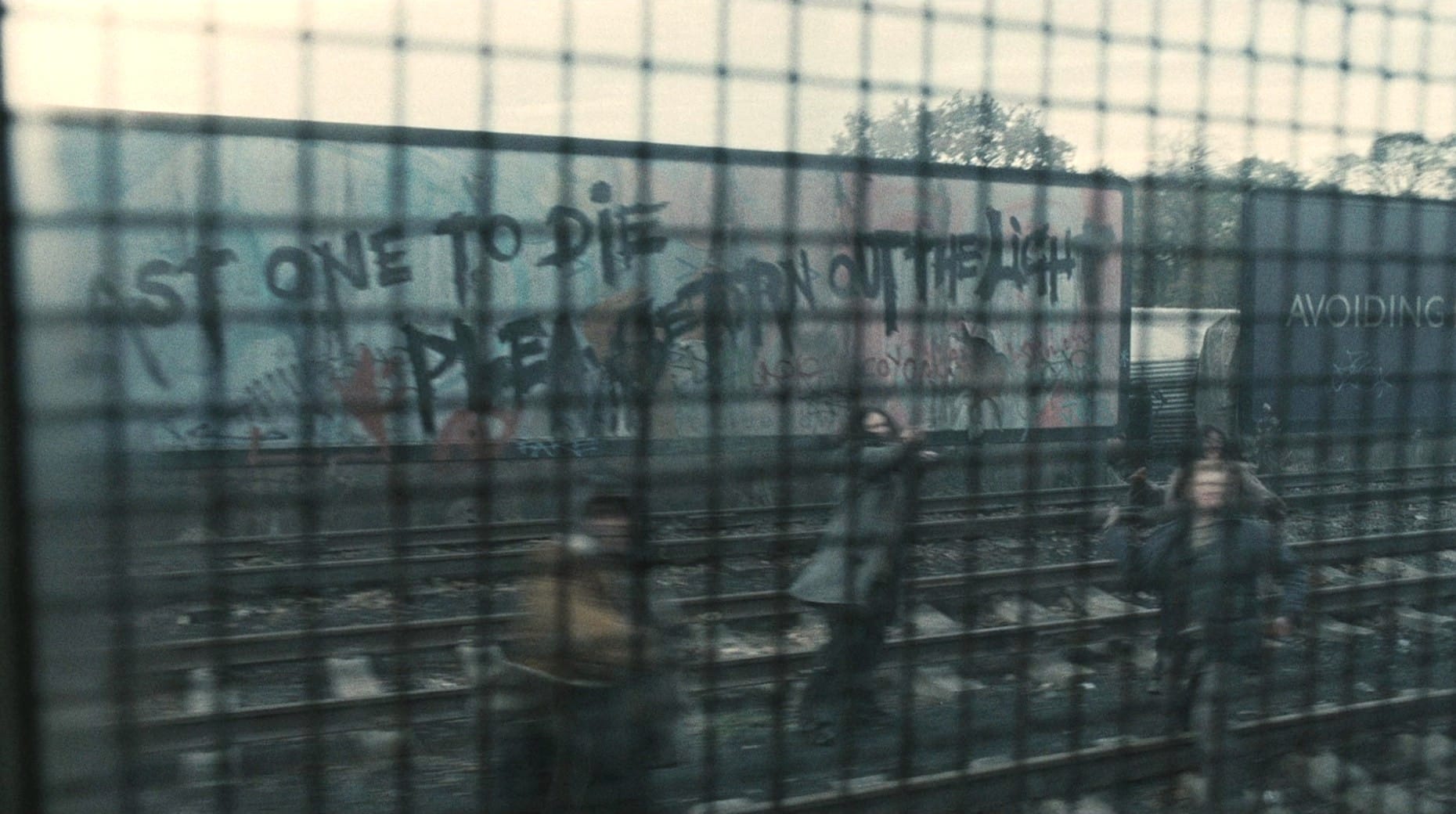
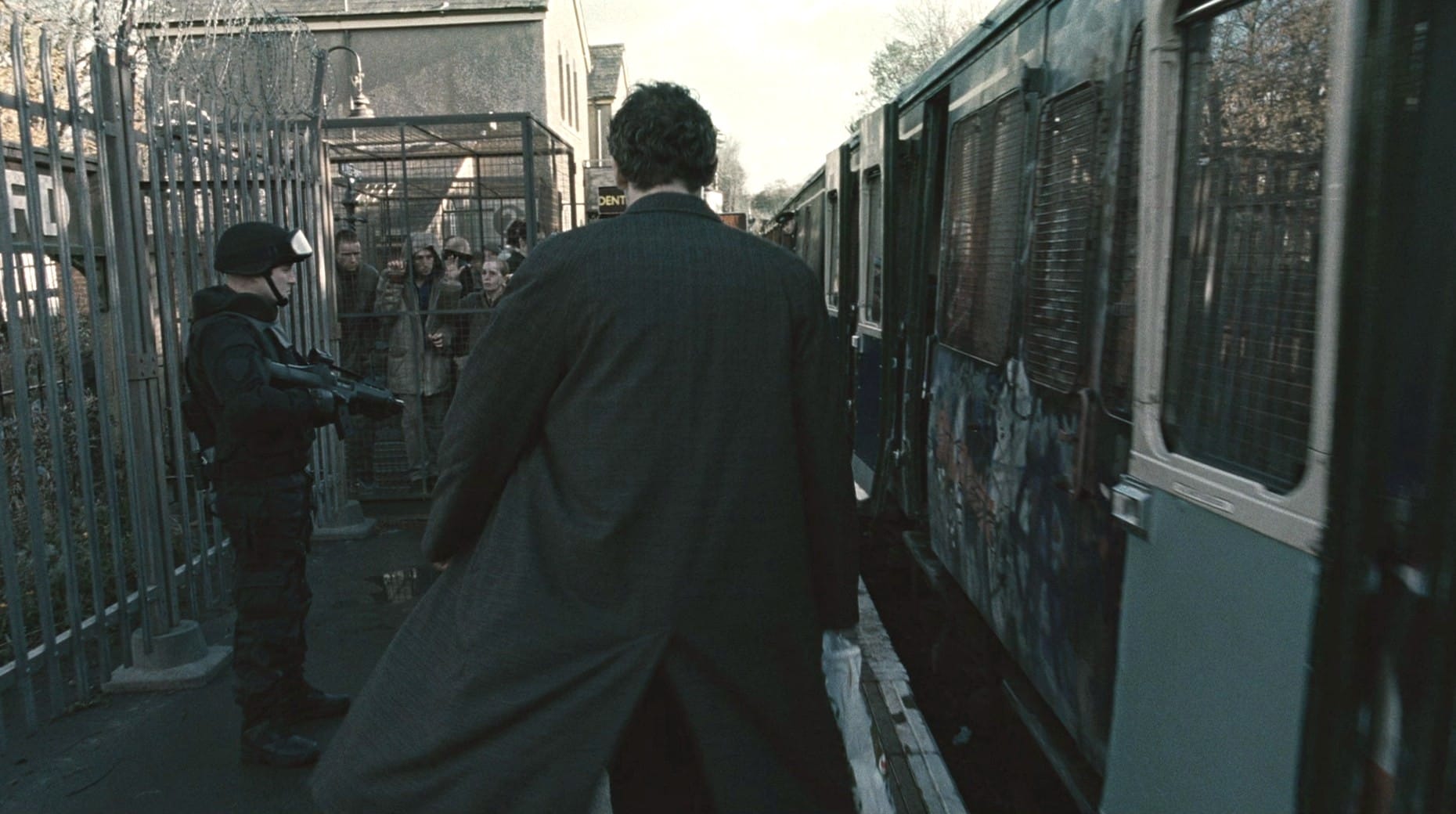
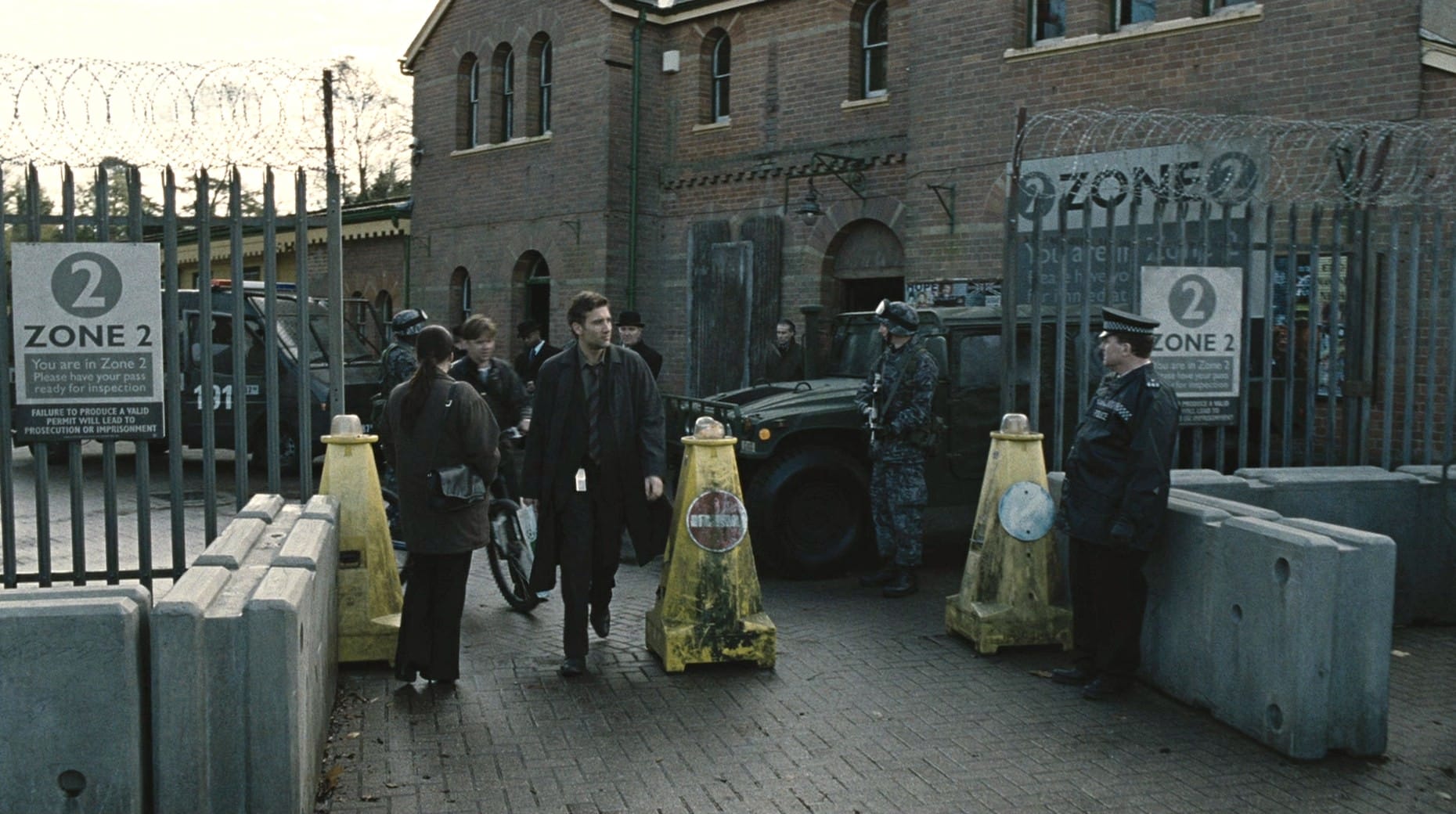
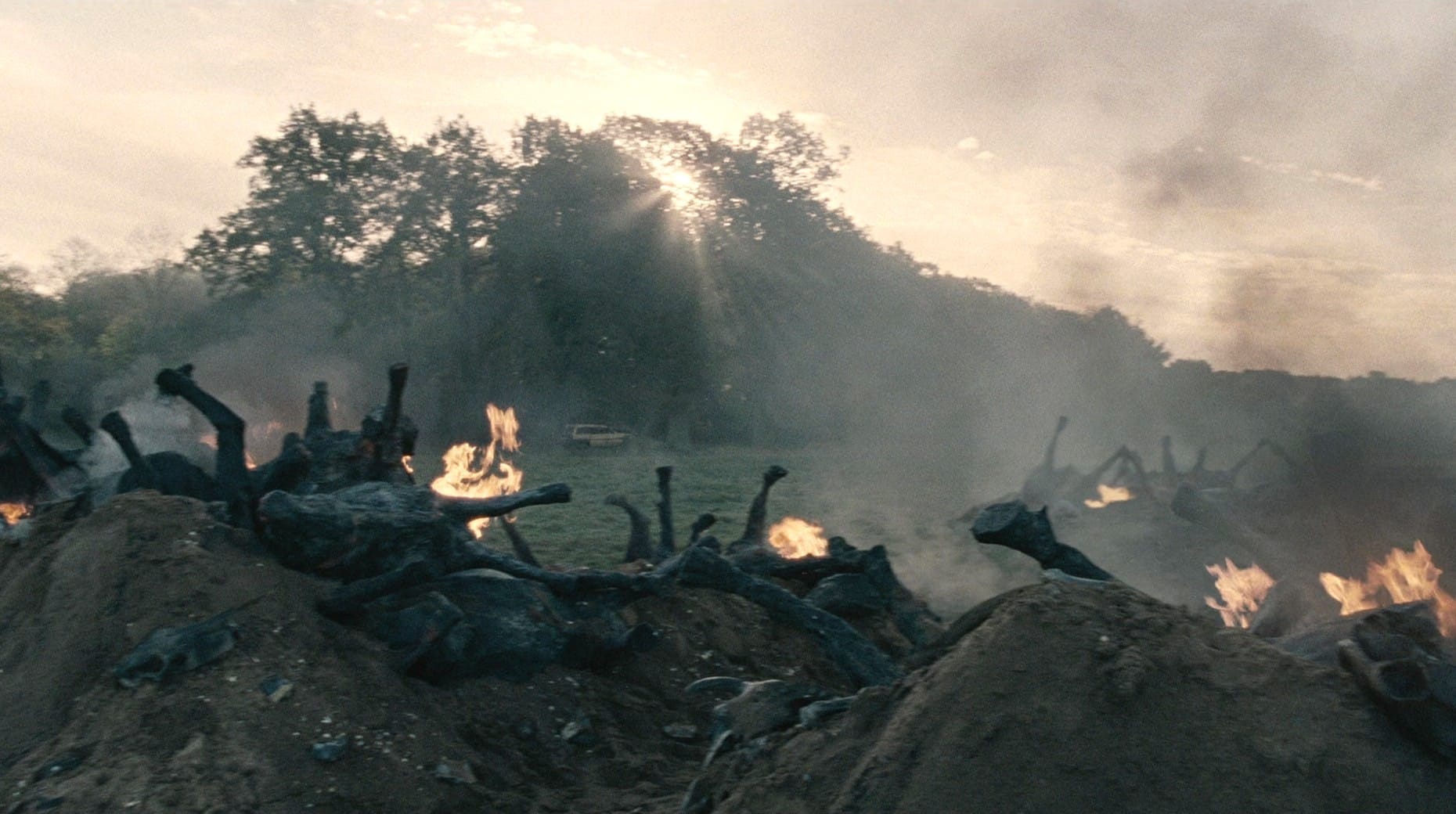
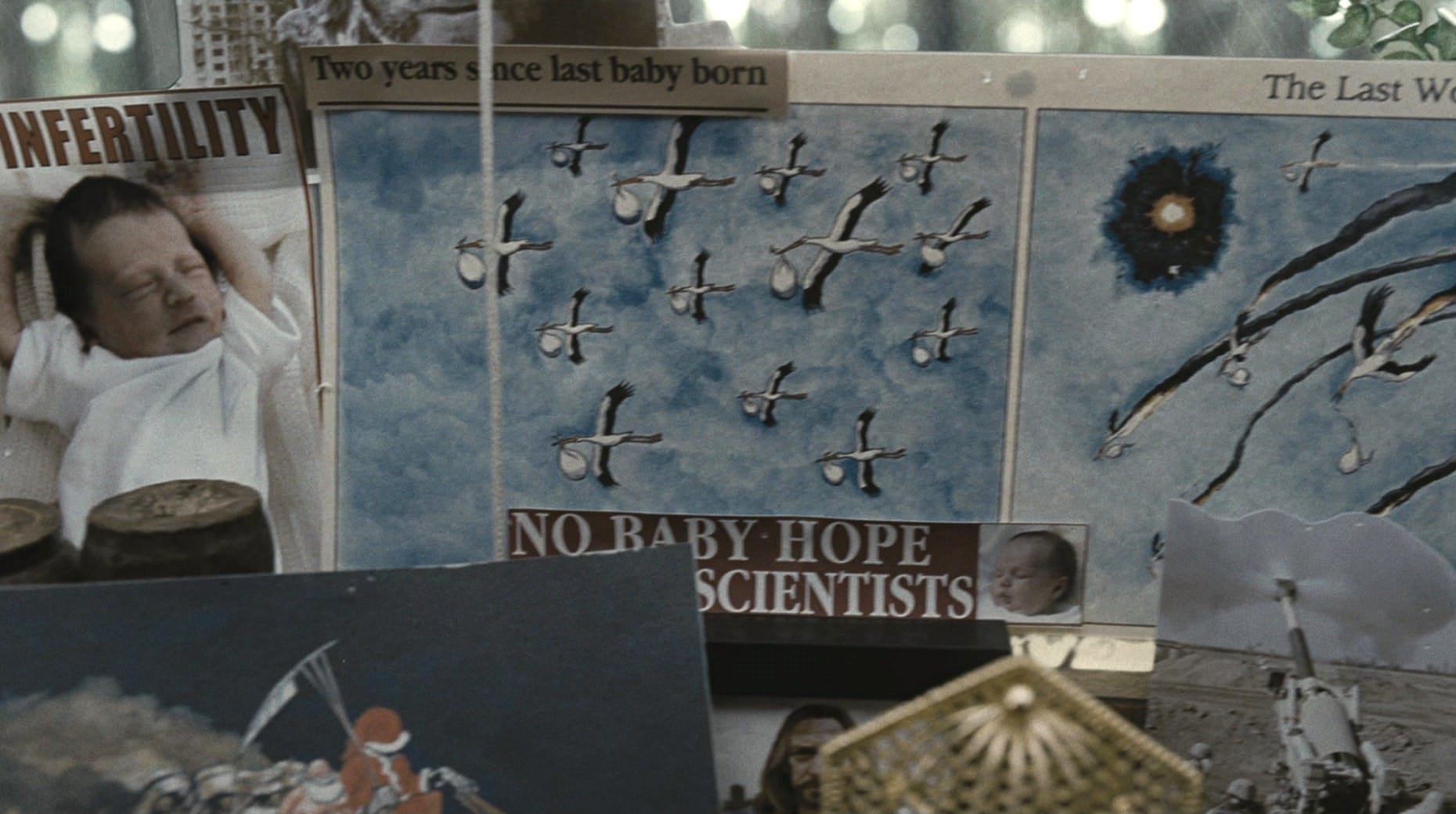
Top Left: In a world with no children, this crowd shot has a woman cradling a small dog the way you might hold a baby.
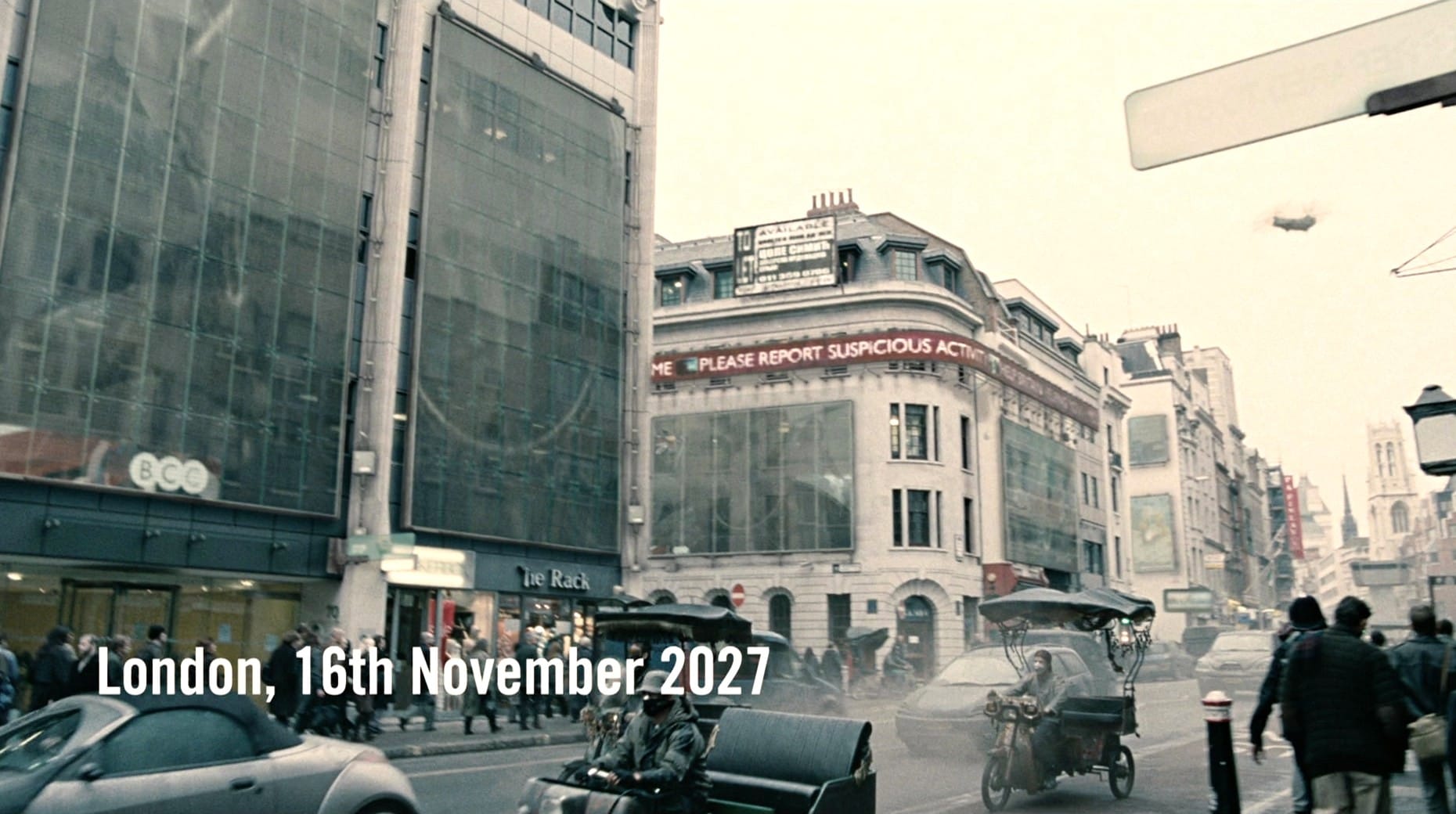
Top Center: Date superimposed on the screen to tell the audience this future is not too far ahead. Motorized rickshaws and fewer cars on the road. Windows on buildings converted into digital advertisements, and police state warnings on a large red and white ticker.
Top Right: Filthy smoky air. Trash piling up with nobody collecting it. A world where no one is taking care of it.
Middle Left: An office where we still see cubicles and lots of paper-based work getting done, but the computer monitors are a little nicer than in the present. Like the giant advertisements, technology that can deliver media and government messaging is still being maintained. Everything else is stagnant.
Center: Graffiti reads "Last one to die please turn out the light." This is a place where messaging isn't coming from official, authoritarian sources. But it's not rebellious in any kind of focused opposition. Just a grim admission that England can't "soldier on" forever.
Middle Right: On the train platform, a cage full of refugees under armed guard. A staging area to move them en masse with a different train to the squalid internment camps shown later in the film.
Bottom Left: An armed security checkpoint outside the train station. Instead of a place name, area identified as Zone 2. Signs reminding people to present identification. A society on lockdown.
Bottom Center: One of the first shots outside of a city gives us a field of charred cattle burning. A crude way of preventing the spread of infectious disease.
Bottom Right: Political cartoons with gallows humor about storks being shot down. The implication that humanity is responsible for this crisis, or at least some believe it is.
Andor - Narkina 5
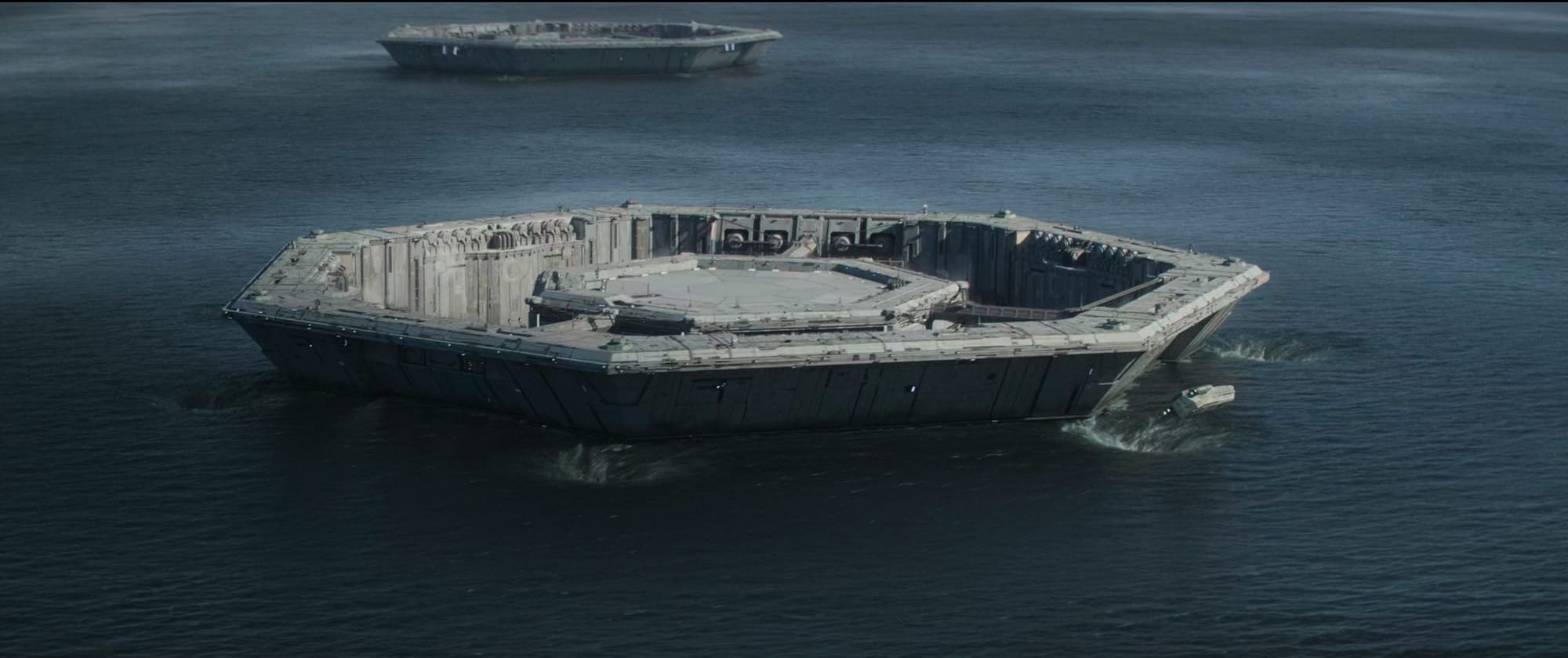
Sometimes it's not an entire dystopia you're introducing, but one specific corner of that broken world we're going to spend significant time in. During Andor's first season, the show spends a multi-episode arc with Cassian imprisoned in an Imperial labor camp. Broken up over several scenes in the arc's first episode, the story introduces key characters, rules, and the rhythm of incarceration on Narkina 5.
After a short flight on transport ships from where the inmates were processed, we get some sharp contrasts when entering this prison. The general grubbiness of the outside world (brought in with the clothes of Cassian and his fellow prisoners) vs. the sleek, clean, minimalist hallways and uniforms of the empire. There's also the issue of footwear.
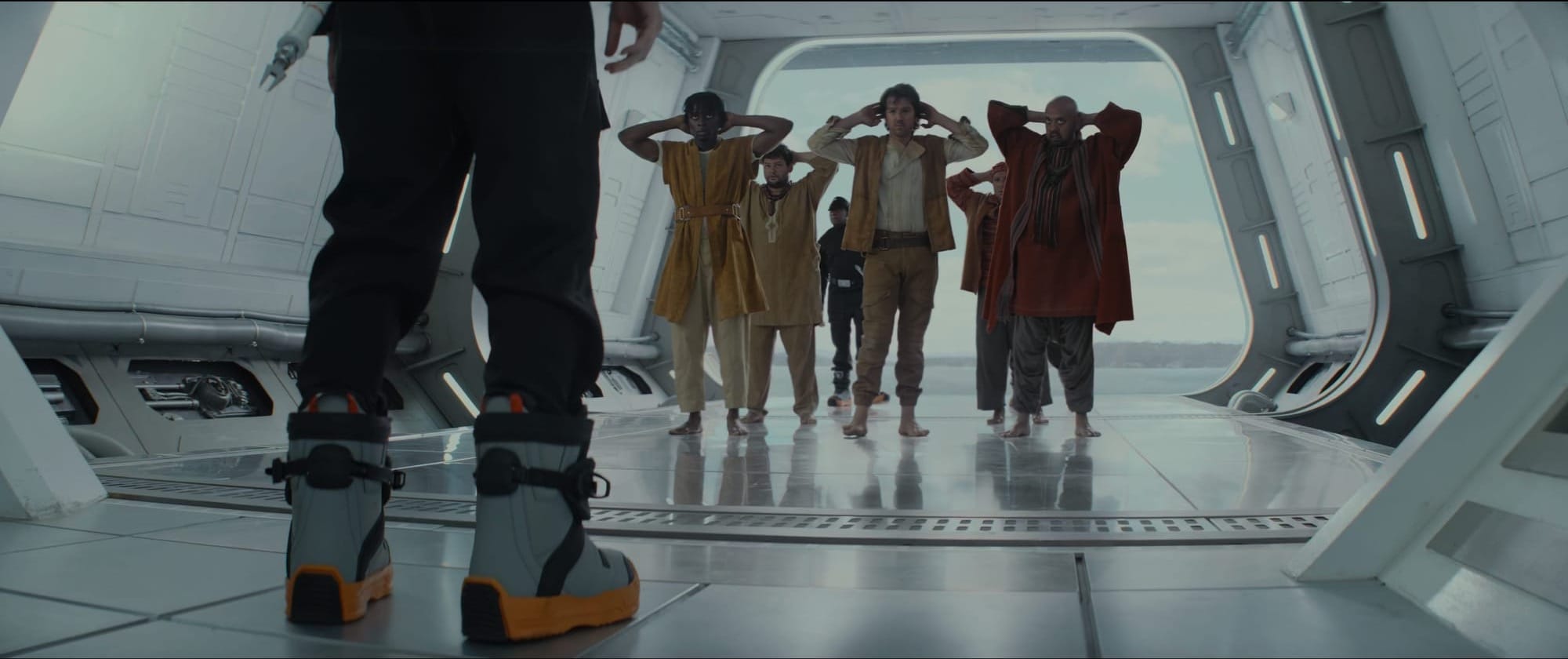
So why do the Imperial guards get to wear Air Plagueis boots? To prime the audience for how the prison's security system works:
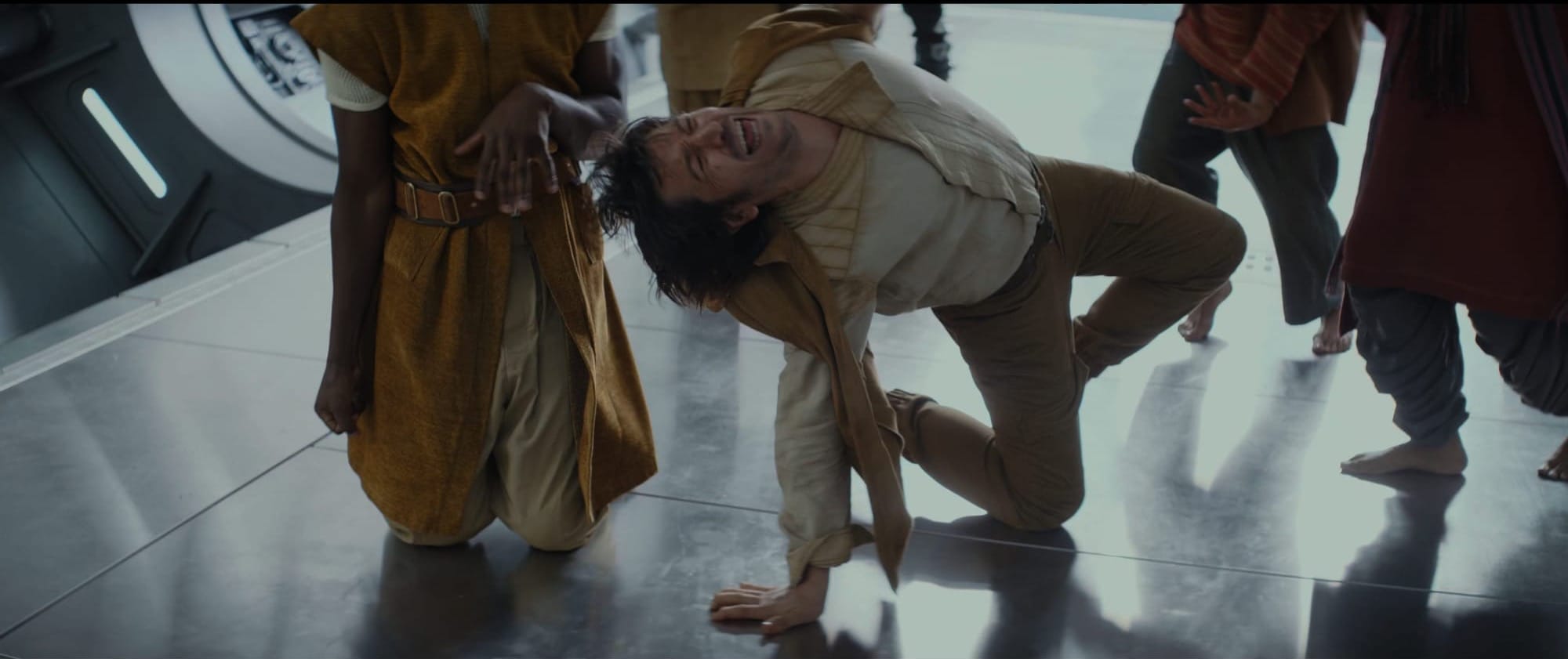
Electrified floors throughout the entire compound. No shoes means nothing to block the current from coursing through you.
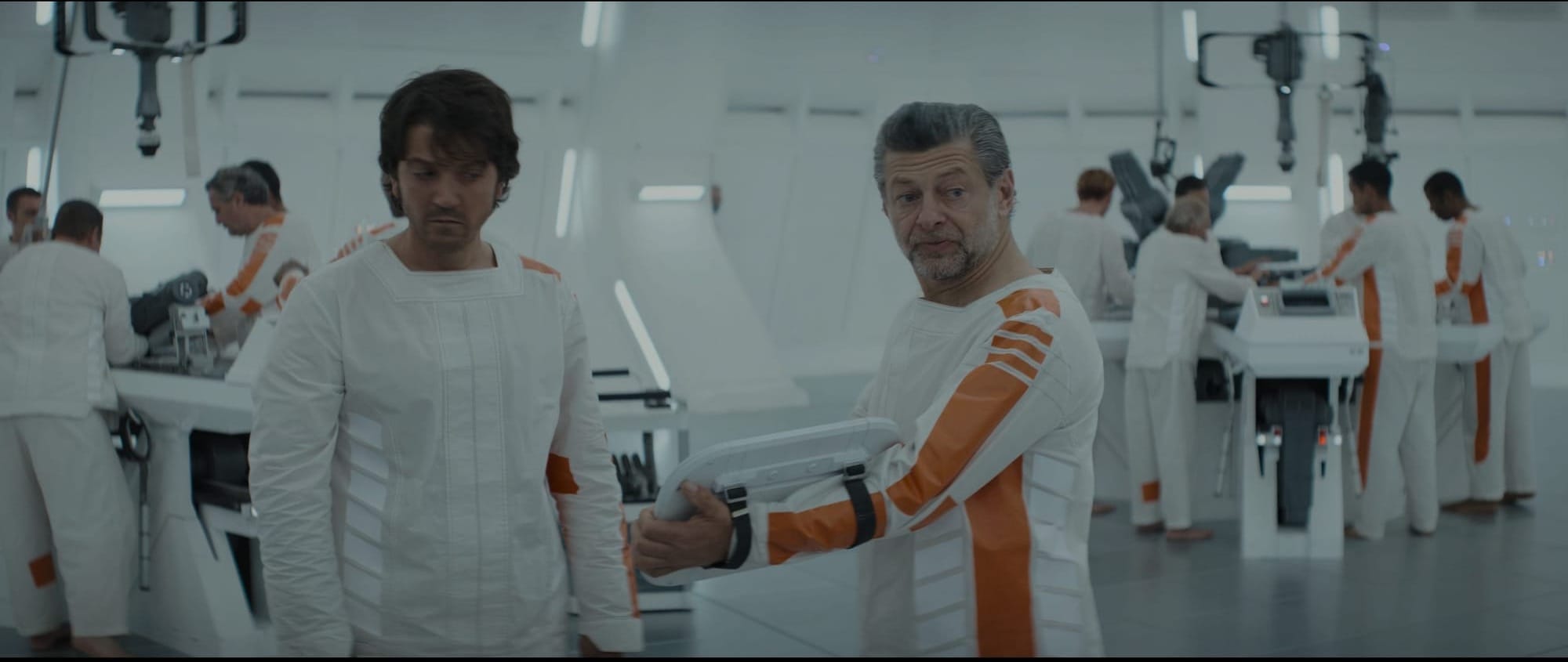
Enter Kino Loy. Because of the previous demonstration for how the guards can shock the prisoners at any moment, it's understandable why there don't need to be guards down among the prisoners. Kino's in charge of this room, explaining that there are 48 others just like it, and running Cassian through the most basic understanding of how he's going to serve his sentence building these giant K'NEX.
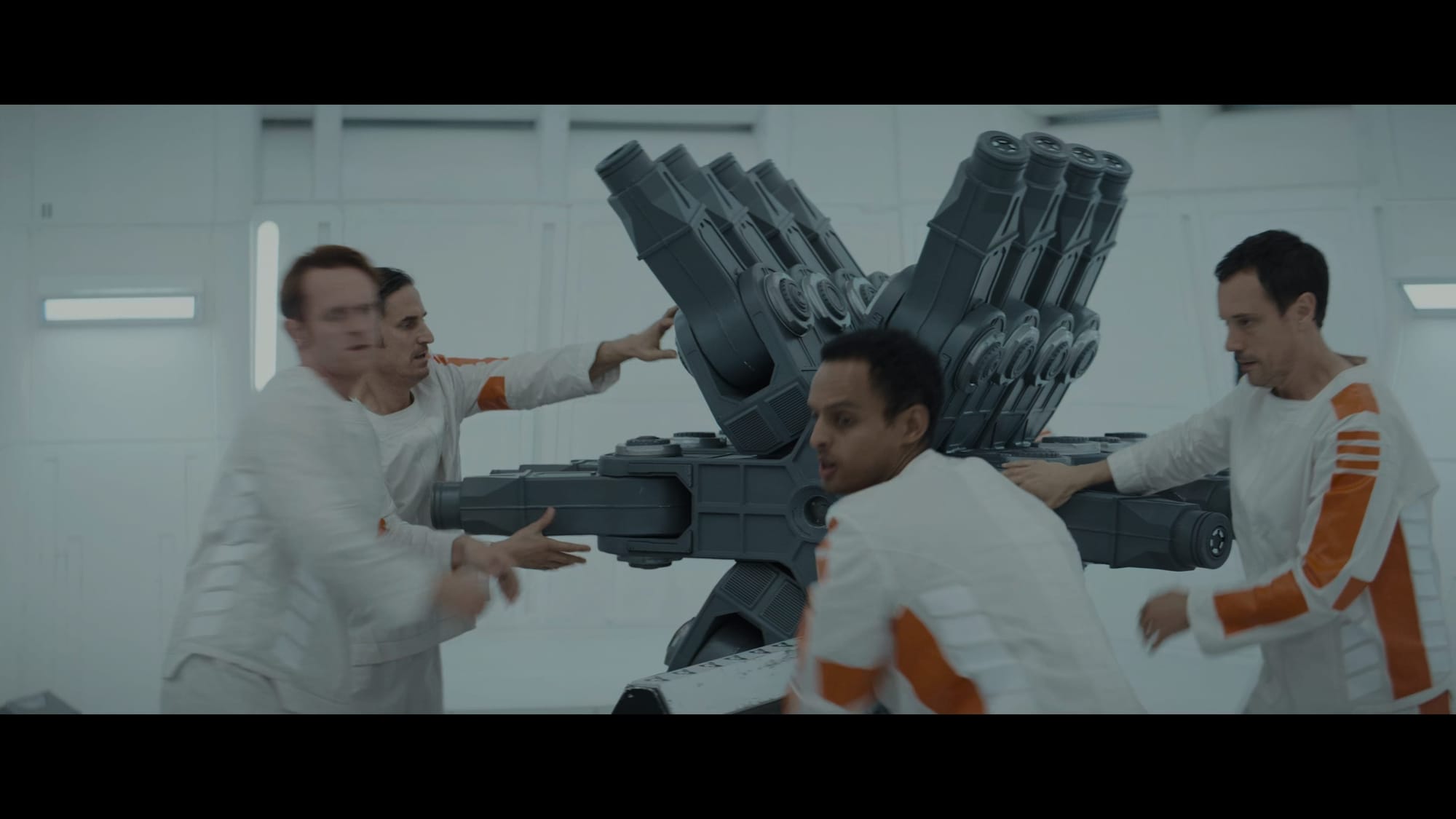
The process isn't explained to Cassian, because the people at his table are too busy trying to speed up production, but as Cassian watches to learn, the audience also gets to understand the basic steps in the process.
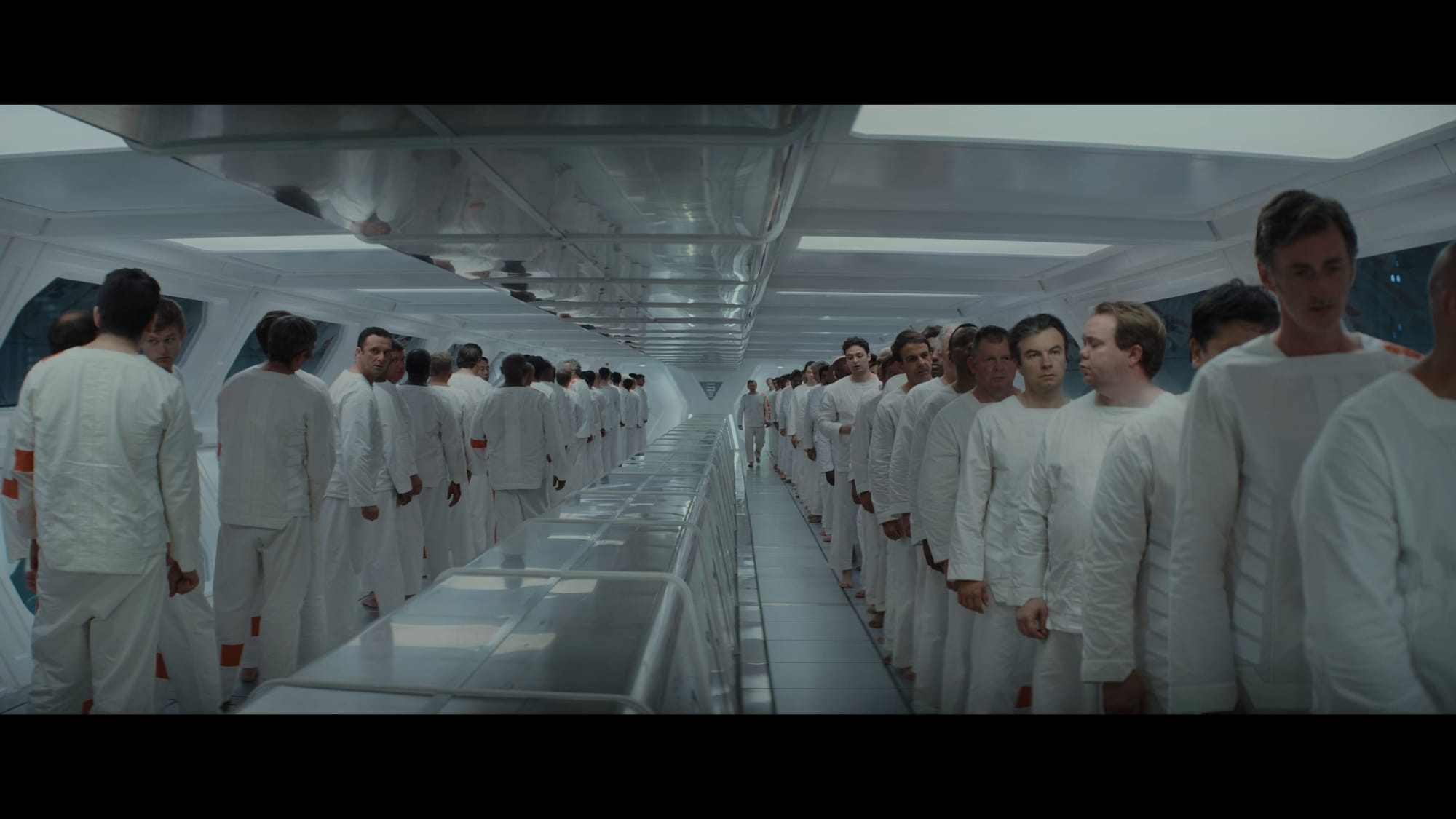
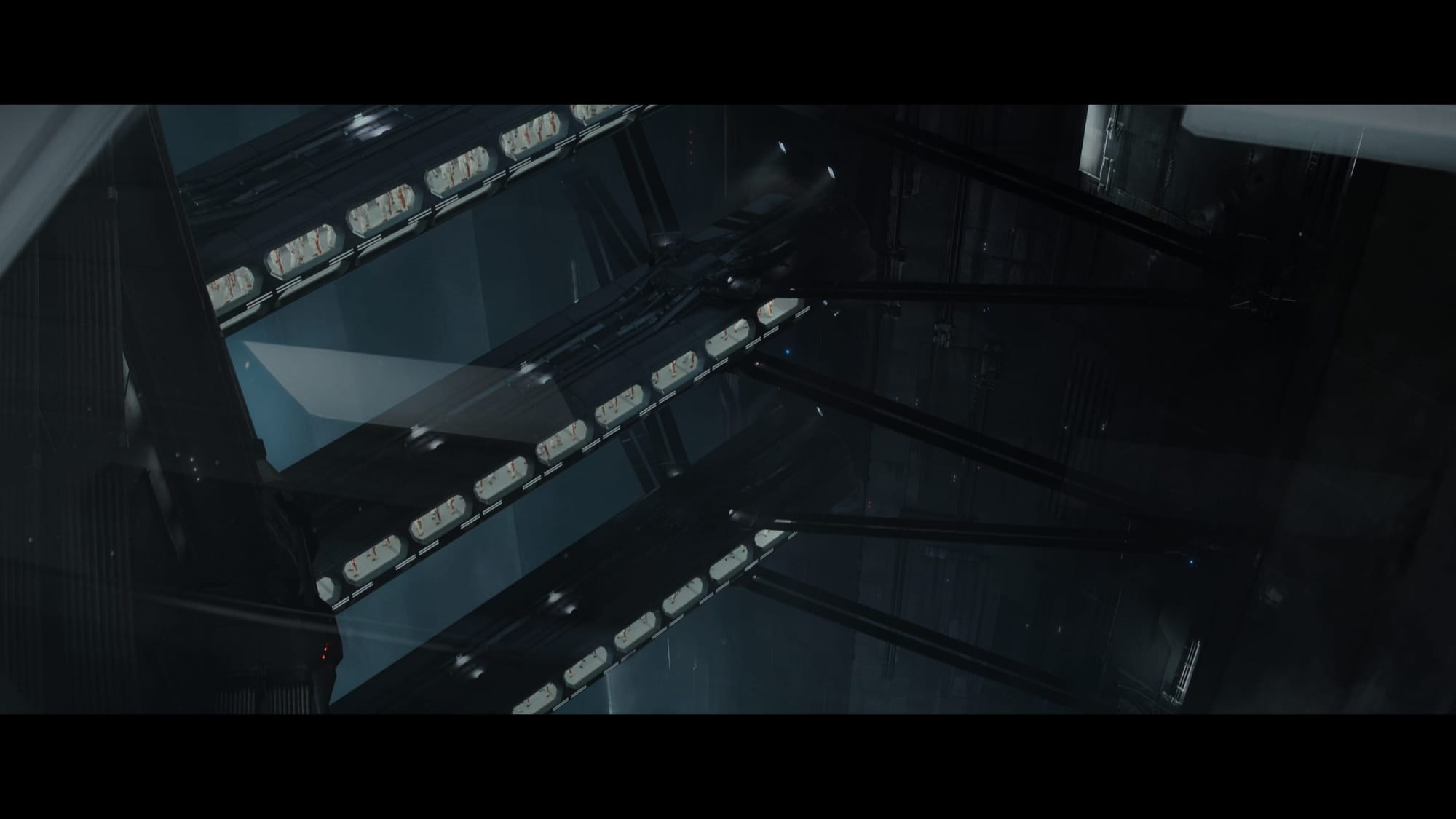
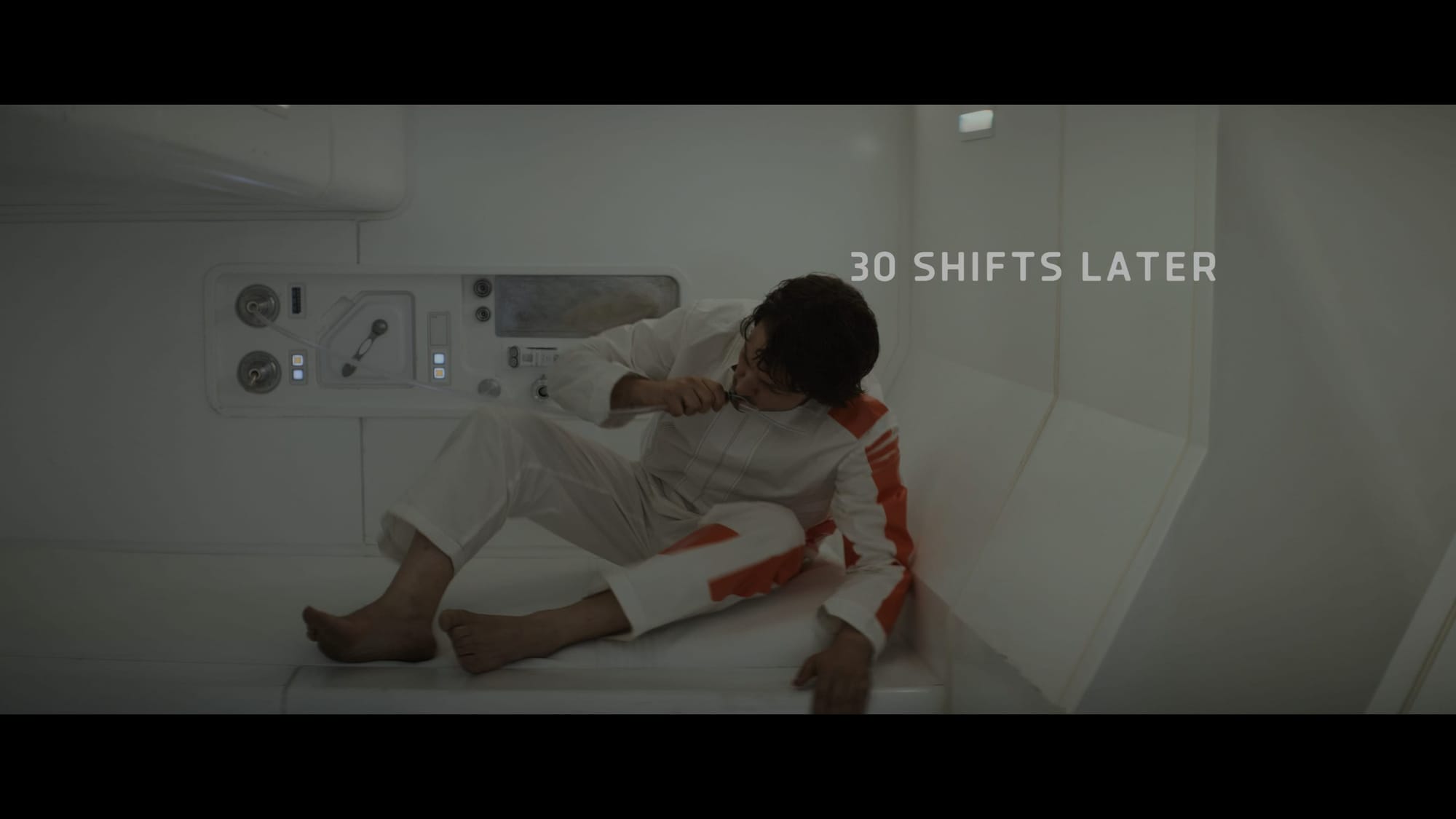
At which point the final piece of the puzzle comes in: A cell with no bars or doors. Just a small light next to the floor that's white when it's safe to step out and red when the floor has a lethal amount of current running through it.
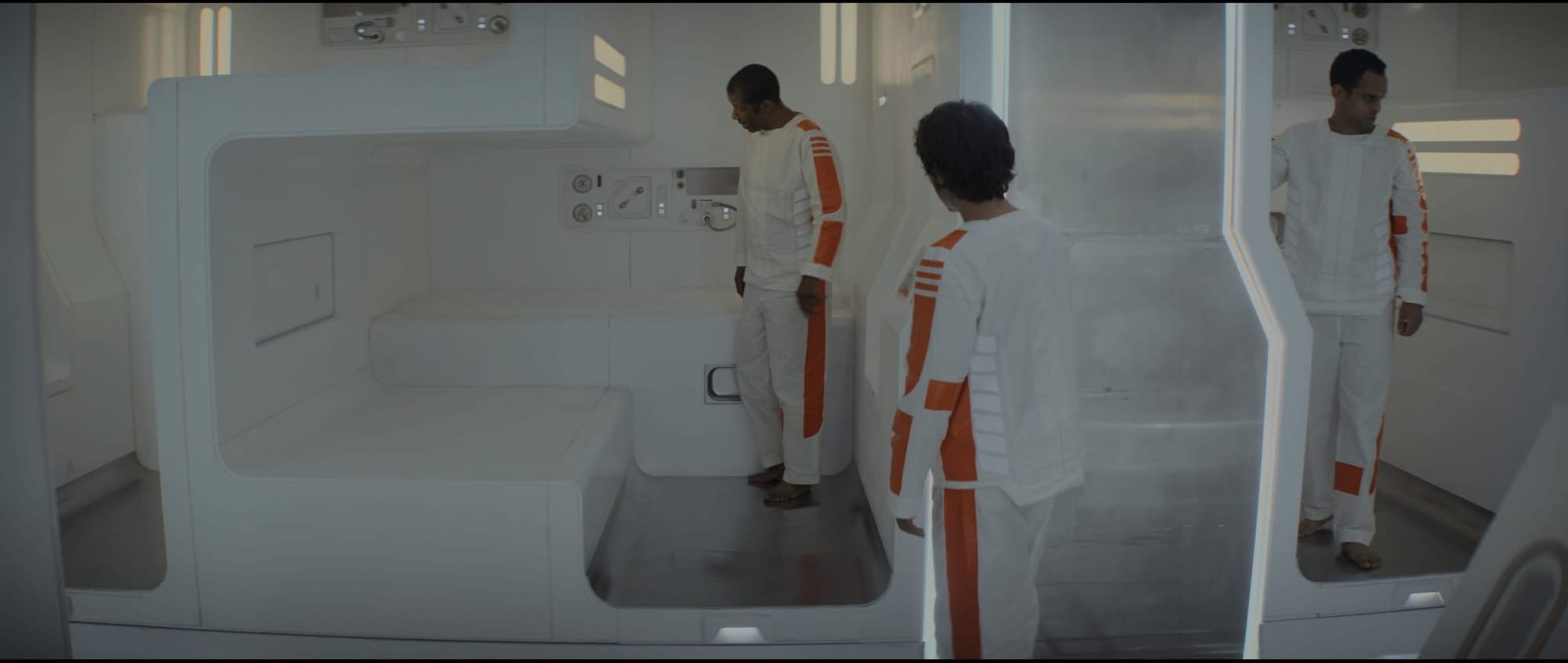
It's a place for sleeping, consuming flavorless slurry, and looking at how much longer you have to serve in your sentence. Several prisoners mention things about days being added due to events inside the prison, even events they had no part in.
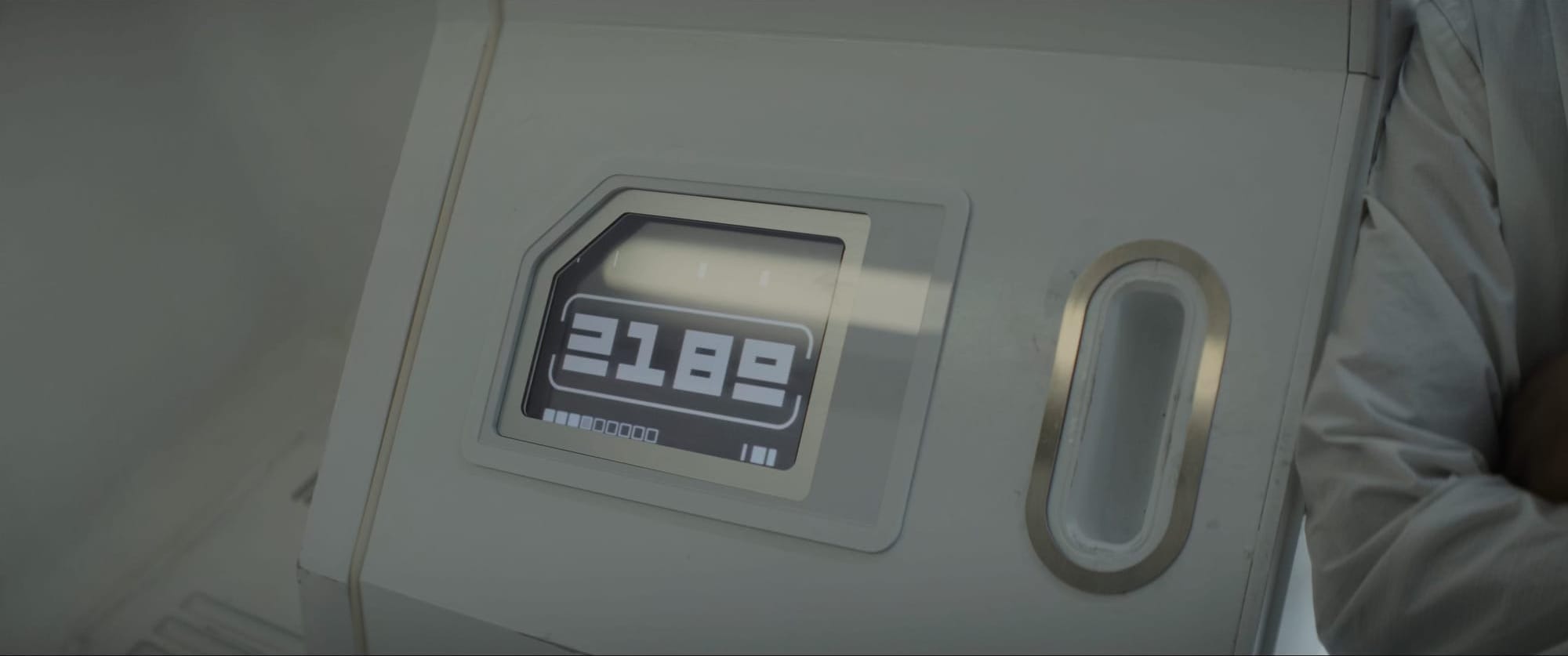
No wasted time. No lore dumps. Everything detail comes motivated by what a person would be told upon arriving in the prison, and the fewest possible number of moving parts get shown to the audience.
Each moment is meant to be remembered, because this rhythm is what will get disrupted by the end of the arc. By learning the rules, it primes the audience for understanding how they can be broken later.
Takeaways
- Details matter, but a writer doesn't need to get bogged down in them. Find the object or image that tells a story about where it's from without stopping to detail every individual book on a shelf or advertisement on a street.
- Environment makes people just as people make their environment. How would you change your behavior and routines if forced to live in the world you're building? What details of that could help an audience member understand and believe in your world?
- Just like character is the product of habit, the character of a society is the product of what a majority of people willingly accept. Where is the line in your dystopia where things are bad, but not bad enough (or bad in the specific way) that would lead people to challenge authority? What have people become numb to? Is your protagonist starting out numb, or already feeling revolutionary?
- Echo the past and the present without directly taking from it. Styles recycle over the decades. Technology gets repurposed. Not everybody grabs the latest smart phone on day one.
👋 Are you new here?
Inneresting is a weekly newsletter about writing and things that are interesting to writers. Subscribe now to get more Inneresting things sent to your inbox.
And if you can't wait until next week for more Inneresting, check out the Quote-Unquote Apps Blog where we keep previous issues and other posts about screenwriting and things interesting to screenwriters.
In case you missed it...
In the most clicked link from our last issue, E-Ticket Films explains the systems Disney parks use that create friction in order to monetize solutions to that friction.
What else is Inneresting?
- Aymann Ismail is happy to see Erling Haaland have fun, and thinks you might also enjoy it.
- Alex Wright takes us back in time to when 13 words per minute was considered proficient beyond belief: The era of competitive typesetting.
- Girly Geek Talk doesn't just dig into why J.R.R. Tolkien despised Dune, but also speculates on what kind of D&D characters Frank Herbert and Tolkien would create.
And that’s what’s inneresting this week!
Inneresting is edited by Chris Csont, with contributions from readers like you and the entire Quote-Unquote team.
Are you enjoying this newsletter?
📧 Forward it to a friend and suggest they check it out.
🔗 Share a link to this post on social media.
🗣 Have ideas for future topics (or just want to say hello)? Reach out to Chris via email at inneresting@johnaugust.com, Bluesky @ccsont.bsky.social, or Mastodon @ccsont@mastodon.art