😁 #314 - You need to watch this
Is it possible to make a recommendation that other people want to immediately act on? Why can it seem hard to be a good ambassador for your favorite things?

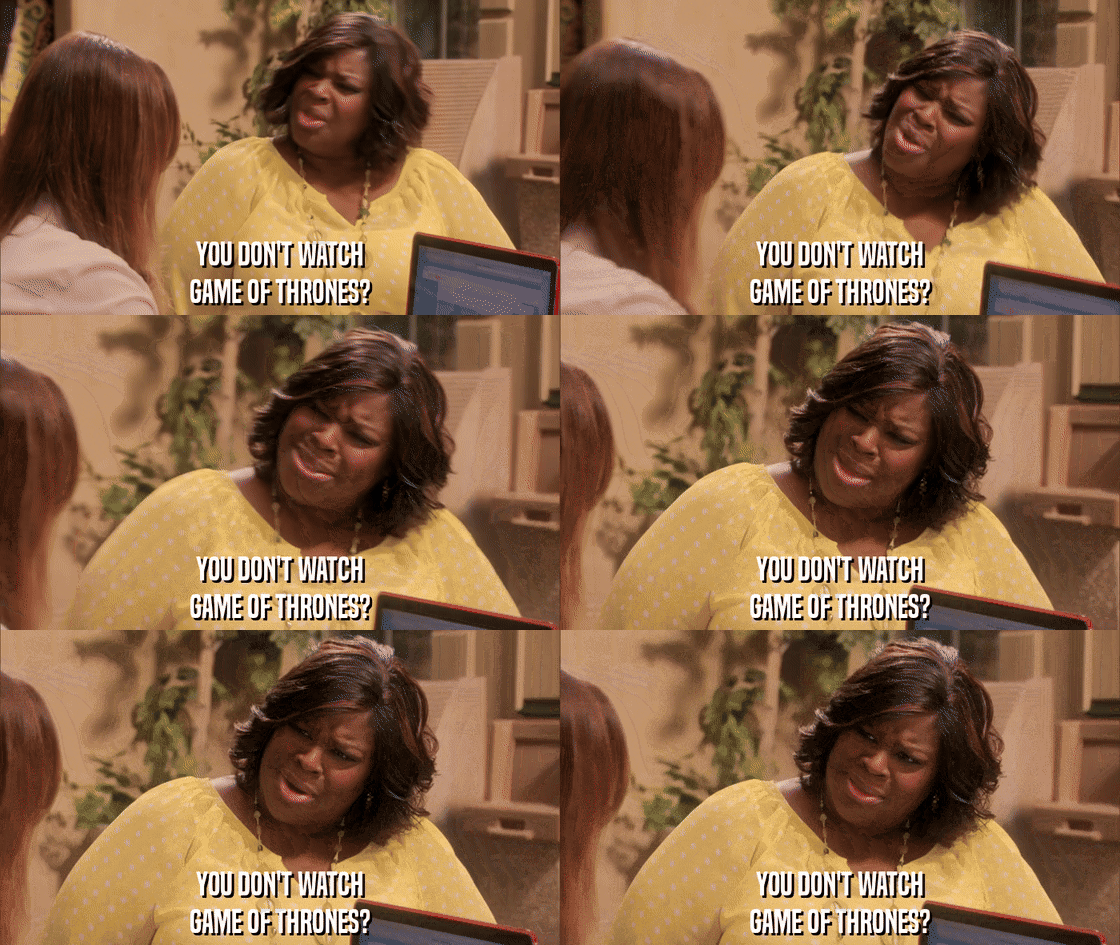
We've all been there, sharing a favorite film, show, book, or album with someone else and hoping they'll enjoy it. And yet, no matter how closely we may believe the person and the media are a perfect match, they just never get around to it.
We've all also been on the other end of that conversation, as well.
Is it us? Are we bad at recommending things? What makes a difference to convert someone who's received a recommendation to someone who acts on it?
Malia Wallen checks in with Joyce Saricks, a reference librarian with decades of experience in recommendations, learning that a good recommendation is more of a conversation than a pitch. Getting to know the person and what they like and find interesting opens the door to making a recommendation that sticks.
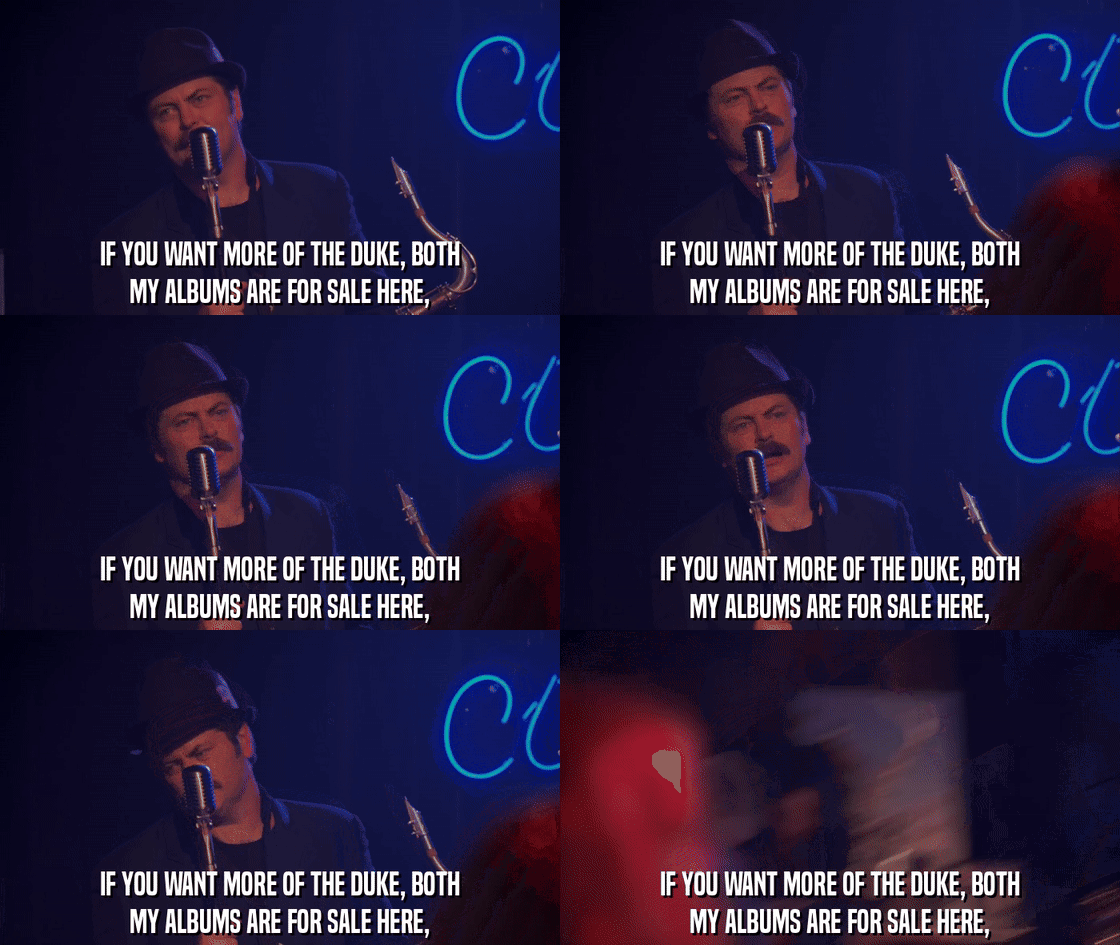
Jonah Berger questions whether word-of-mouth sharing is inherently a selfish act, and it’s more about defining the self to others and internal emotional regulation than it is about persuasion.
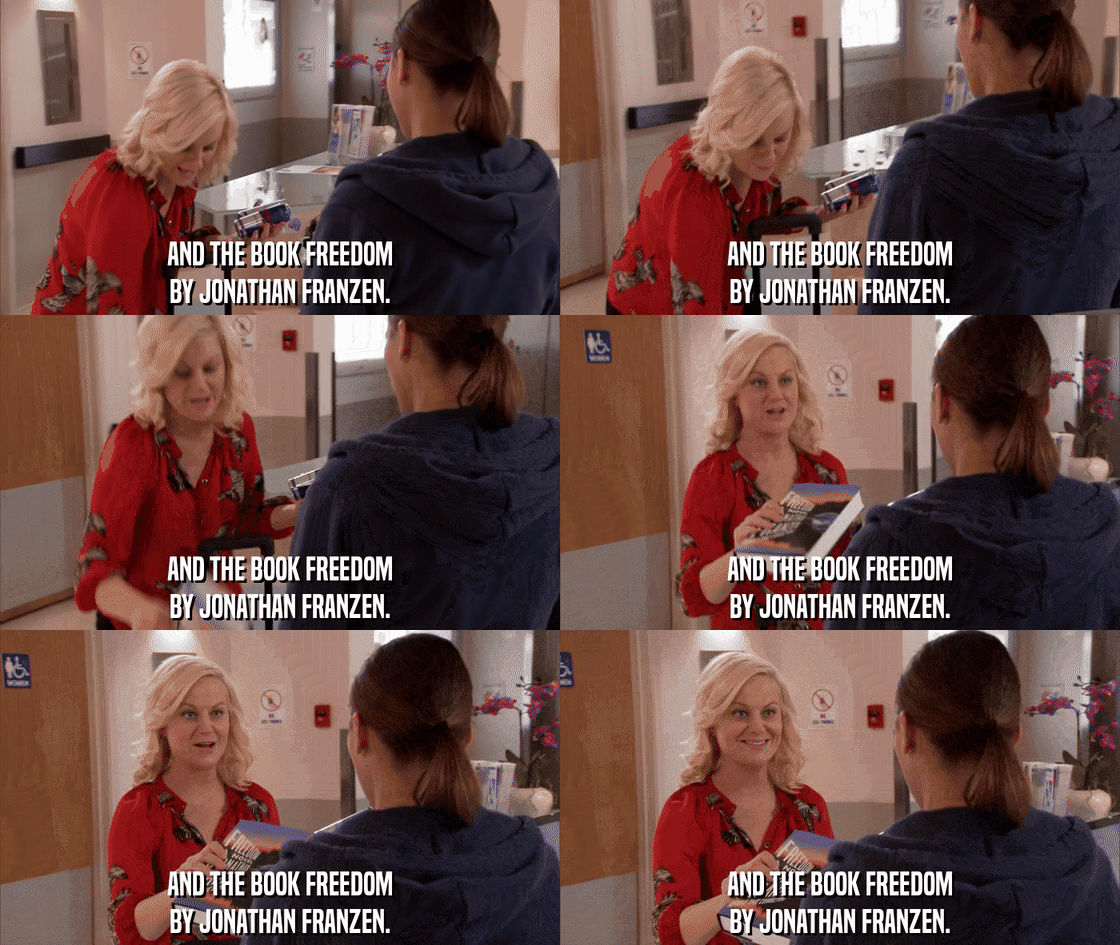
A study by Arlen Moller, Edward Deci, and Richard Ryan supports the idea that ego depletion could be part of the problem in getting people to follow through on recommendations. Based on a series of experiments, evidence suggests that when a person makes a decision completely on their own they suffer no loss of enthusiasm or energy. But when pressed by another person or situation into making a decision, that inner conflict makes the person feel controlled and saps their energy.
If a person becomes independently aware of a show, any decision they make about it doesn’t create a psychic drain. But the recommendation creates a question to answer, and the decision has a small (but actual) cost in mental energy.
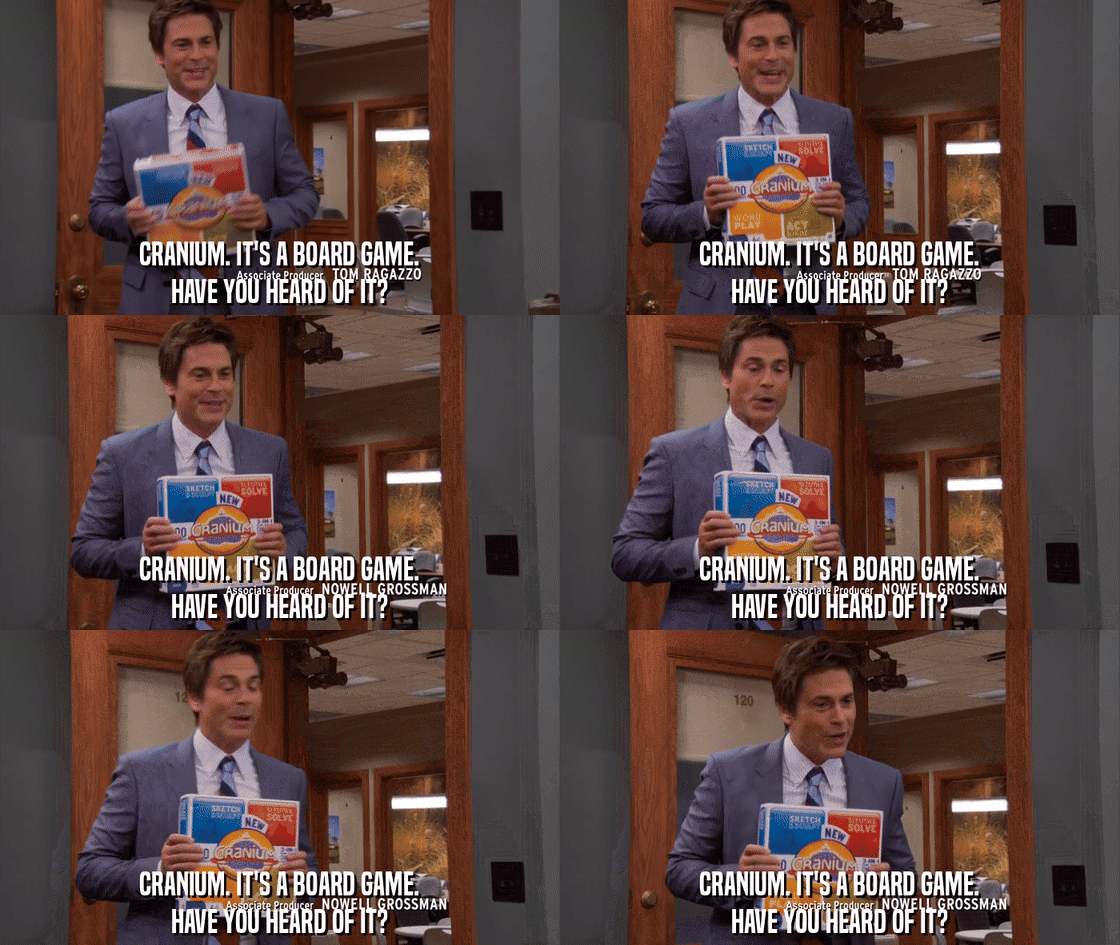
Sam Nursull shares the results of a survey of 56,000 people that shows streaming service algorithm recommendations have a little bit more influence over recommendations from friends and family. However, these numbers aren’t consistent when you break down the results by generation. For example, Gen Z are more influenced in their viewing choices by social media than 25-34 year-olds with children in their household.
Ariel Hu looks for answers to why viewers have such a hard time deciding what to watch, parsing examples of recent research on how people respond to algorithms and changes in viewing habits. How do the systems set up to deliver our entertainment confound our decision-making skills and confuse our priorities?
Eric Dolan explains research that algorithmic recommendations can create a kind of numbness in the viewer:
”A key concept in this research is what economists call consumption capital. This idea simply means that the more you consume a specific type of art, the more you build an appreciation for it. Human enjoyment of art follows an inverted curve. Moderate exposure to a style makes you like it more, but excessive exposure eventually causes boredom or satiation.”
This kind of exposure can stifle the adaptation of a person’s taste. A regular offering of things that closely match things you already like can decrease the likelihood of being open to trying something different.

Rachel Stein takes a closer look at the development of recommendation algorithms, and the way that many of these algorithms can’t detect the difference between engagement and satisfaction.
Deníz Yavuz’s thesis on Letterboxd proposes that while new users may expand the amount and type of movies they watch shortly after joining the site, the largest influence users have on each other comes as abstract peer pressure. Users feel pressured to have their ratings and reviews conform to the majority opinion on a given film.
All the links above point to the competing influences on a person's attention and ability to make decisions. Making a recommendation that sticks is an uphill battle.
I have only anecdotal evidence on this, but the most effective way to bring someone into the fold may be to experience it with them. You want to convince someone they should watch a show? Bring snacks and watch an episode or three. Tell someone you just saw that movie in the theater, but you will go again if you want to see it. Put your copy of the book in their hands.
Do the things an algorithm can't.
👋 Are you new here?
Inneresting is a weekly newsletter about writing and things that are interesting to writers. Subscribe now to get more Inneresting things sent to your inbox.
And if you can't wait until next week for more Inneresting, check out the Quote-Unquote Apps Blog where we keep previous issues and other posts about screenwriting and things interesting to screenwriters.
In case you missed it...
In the most clicked link from our last issue, we recommended that those in need of a new rabbit hole to fall down try Wikipedia’s page on Inventors killed by their own invention.
What else is Inneresting?
- Laura Goode looks at divorce and deconstructs the cinematic depictions of Boston, naming the city’s underlying influences and codes of behavior that produced her ex-husband (and plenty of characters played by Matt Damon and Ben Affleck).
- Unfortunately we’ll never see David Lynch’s video game Woodcutters from Fiery Ships, but Jack the Artisan shows us the computer games that inspired Lynch to partner with a gaming studio on a point-and-click adventure.
- Mason Currey curates a collection of quotes from Nobel Prize winning author Anne Carson on a variety of topics, including how we’re all misquoting Descartes.
And that’s what’s inneresting this week!
Inneresting is edited by Chris Csont, with contributions from readers like you and the entire Quote-Unquote team.
Are you enjoying this newsletter?
📧 Forward it to a friend and suggest they check it out.
🔗 Share a link to this post on social media.
🗣 Have ideas for future topics (or just want to say hello)? Reach out to Chris via email at inneresting@johnaugust.com, Bluesky @ccsont.bsky.social, or Mastodon @ccsont@mastodon.art