📜 #312 - Just my archetype
What do we mean when we say characters fit an archetype? Is it something to avoid, or can writers leverage the stories that came before to create something new?

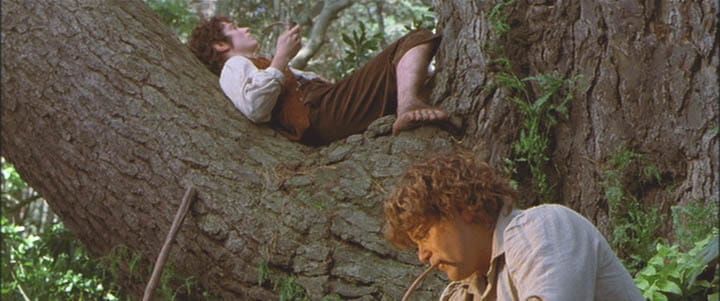
Archetypes get talked about as the original form of a character or idea. That there's something iconic from the beginning of storytelling that gets repeated generation after generation. This can lead to the idea that to make a new story that feels original you need to abandon all ideas that came before.
But part of why archetypes have staying power is the way storytellers present them, shining their particular light on what's already there.
Holly Rhiannon breaks down the history of archetypes, from Carl Jung to Myers-Briggs, Enneagrams, and The Hero with 1000 Faces. In this introduction she shares the intersection of psychoanalysis and folklore that produces our modern understanding of archetypes and how they’re used in story.
APEIRON summarizes the Jungian storytelling of several films, including The Wicker Man (no, not the one with the bees), The Night of the Hunter, Birth, and Aguirre, the Wrath of God. Focusing on not only archetypes, but of familiar imagery that feels consistent among multiple narrative styles and cultures. Miles Granger provides a quick reference guide of the original 12 Jungian character archetypes, featuring examples from books and films.

Adam Grabarnick looks at George Lucas’s relationship to the work of Joseph Campbell and the way Lucas used the ideas of archetypes serving a monomyth as the scafolding for a galaxy far, far away. Also considered: Is our culture moving toward a rejection of the monomyth, or is it too foundational to storytelling itself that even by attempting to critique it, a writer enacts it? For more detail, George Lucas speaks with Bill Moyers about the mythological component of Star Wars, and the idea that he was working on “telling an old myth in a new way.”
Moises & Sergio Velasquez look at Robert Eggers and his use of archetypes in both The Lighthouse and The Witch both as ways to evoke the audience’s associations with folklore, and to subvert the expectations that such archetypes create.
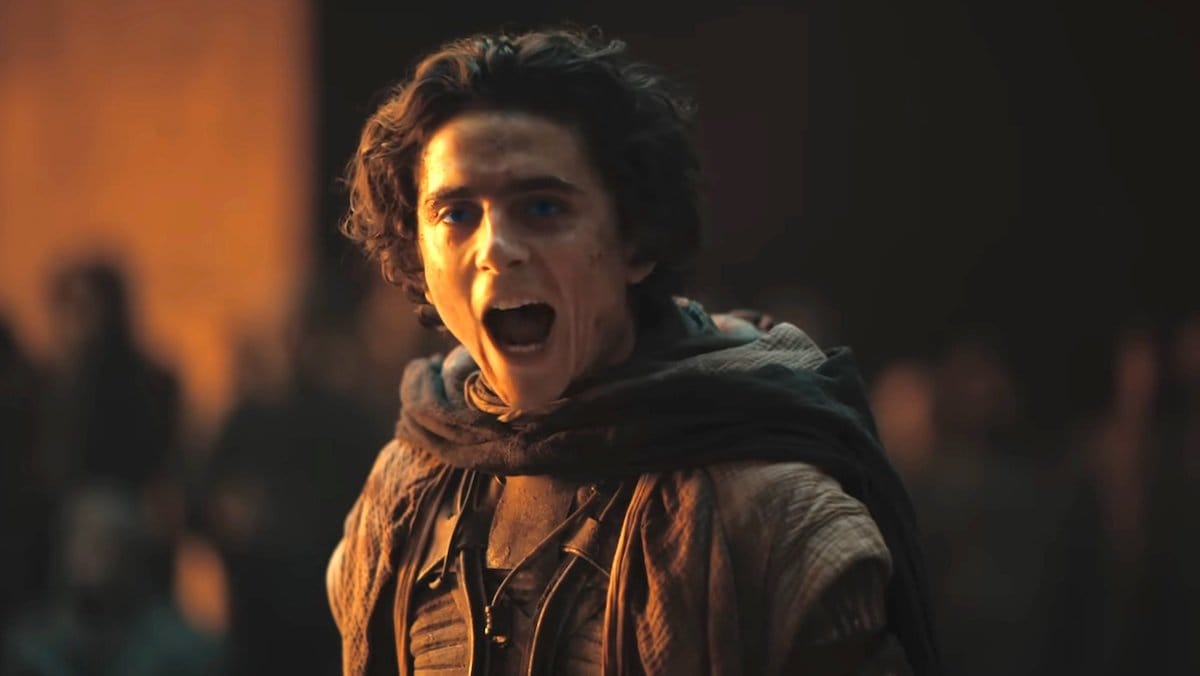
Jason D. Batt analyzes Dune’s Paul Atreides via the archetype of The Seeker, focusing on how it connects to the Jungian idea that the destination this archetype searches for is inside themselves.
With all these examples, the Archetype isn't the destination. A character isn't complete once they are filed, stamped, indexed, or numbered. But associating an archetype or archetypes with a character provides navigational information for the writer. "This character is likely to follow this kind of path through this story."
Those specific choices they make on their way is what separates a depiction of existing storytelling traditions from a character that grows from and moves forward from those traditions.
👋 Are you new here?
Inneresting is a weekly newsletter about writing and things that are interesting to writers. Subscribe now to get more Inneresting things sent to your inbox.
And if you can't wait until next week for more Inneresting, check out the Quote-Unquote Apps Blog where we keep previous issues and other posts about screenwriting and things interesting to screenwriters.
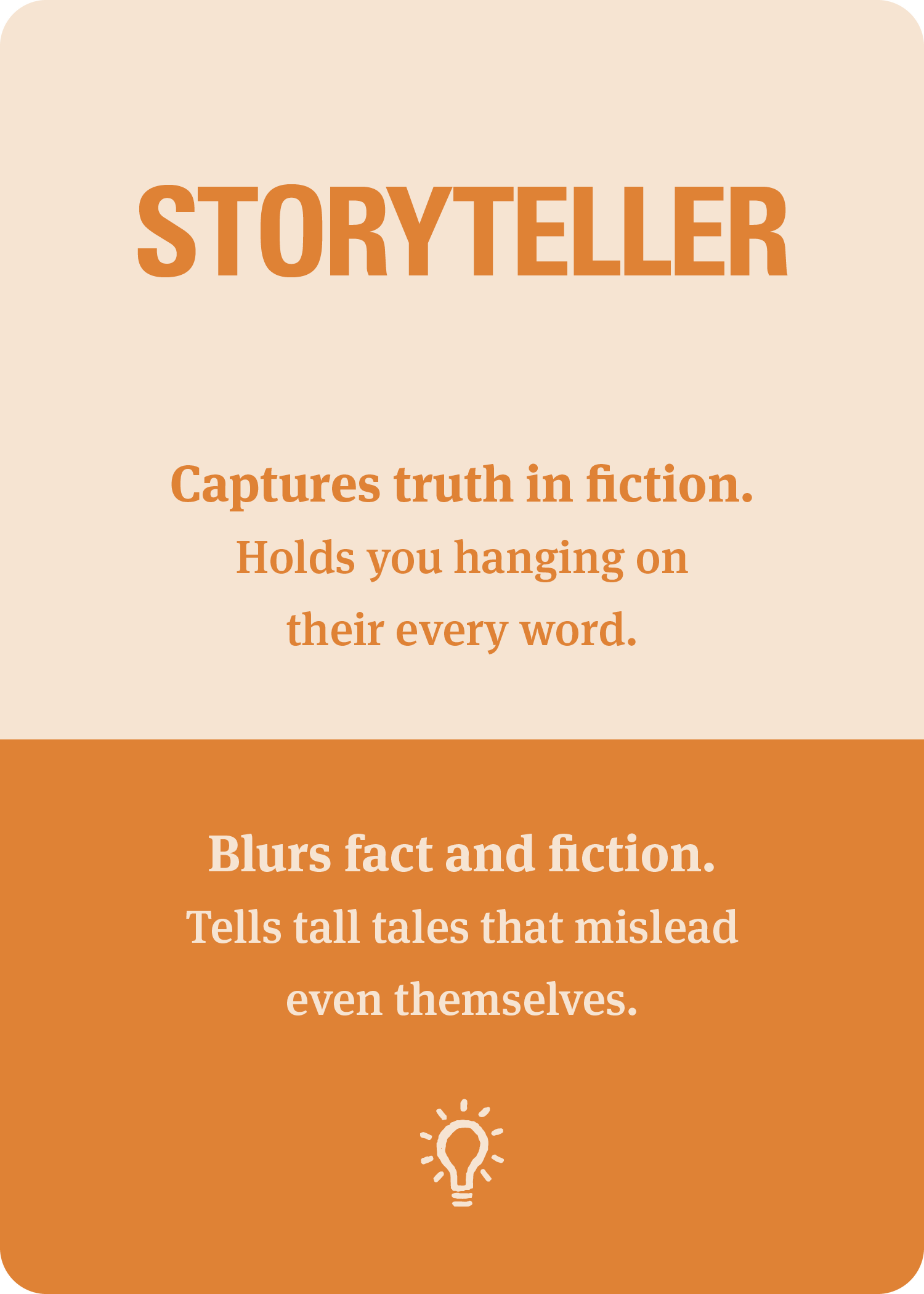
An easy way to find your archetype
There's a big reason why the idea of archetypes is front and center in the collective unconscious here at Quote-Unquote: The Character Creator Kit
Launching soon on Kickstarter, it's an expansion for the Writer Emergency Pack family. Instead of helping writers get unstuck while working on scenes, this new deck helps define the characters before you're writing pages.

While earlier we pointed to the 12 classic Jungian archetypes, this deck goes a little bit further, because characters often don't fit neatly into a single archetype. They're a collection of roles and relationships, meaning that at different times, they might wear different archetypal hats.

To find out more about the deck, and how you can pledge to help make them a reality, check out our pre-launch page for the Kickstarter beginning on October 13th, 2026!
In case you missed it...
In the most clicked link from our last issue, Erika explains the story of how her family went viral when the broadcast booth for a San Francisco Giants game riffed on what they imagined she and her husband were saying as she carried food back to their seats with their baby strapped to her chest in a carrier.
What else is Inneresting?
- Mason Currey on fueling writing with self-loathing and why that’s not a sound, renewable resource.
- Anil Dash makes a case to stop using social media-approved euphemisms, in part because “the angriest activists you know can’t even talk about systemic abuses or state violence without having to put it in algorithmically approved speech or censoring their captions like they’re going to be read by 5-year-olds.”
- Mark Slavonia competes in The Pittsburgh Parallel Parking Championship, now in its sixth year.
And that’s what’s inneresting this week!
Inneresting is edited by Chris Csont, with contributions from readers like you and the entire Quote-Unquote team.
Are you enjoying this newsletter?
📧 Forward it to a friend and suggest they check it out.
🔗 Share a link to this post on social media.
🗣 Have ideas for future topics (or just want to say hello)? Reach out to Chris via email at inneresting@johnaugust.com, Bluesky @ccsont.bsky.social, or Mastodon @ccsont@mastodon.art