Back It Up: Future-Proofing Your Writing
It's 10 pm. Do you know where your writing is? We cover a few tips for making sure you don't lose time by losing your work.


Writers are excellent at creating planet-sized worst-case scenarios. Sea levels rising with massive tidal waves. Zombie infections engulfing entire continents. An asteroid with an active volcano on a collision course with Earth.
But what about when the stakes are more personal? What could go wrong with keeping copies of your writing safe?
Just because you haven't lost writing before doesn't mean it can't or won't happen. Let's consider your action plan.
Preventing Link Death

If you publish online, you might wake up one day to find that a site you wrote for is closing. Publications and platforms come and go. One study showed 38% of sites disappeared from the internet in a decade or less. Keep your writing accessible!
Your first line of defense is The Internet Archive. As soon as your post goes live, copy that URL and head to the Wayback Machine. It's not perfect, but it takes seconds.
If you're building up a solid portfolio that you want people to see, make sure you have your own website. Saving properly attributed copies of your work that links back to the source is an easy way to know that you'll always have a hub to point people to.
Make A Backup Plan
Do you save your writing with a cloud service? That's helpful in case of your personal hardware failing.
Do you also keep a copy of your work on your computer itself?
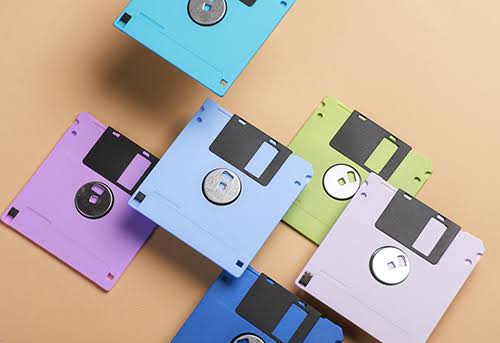
Do you have a separate external hard drive you can back-up copies to (along with other important documents you would want to hold on to)?
It's not backed up if it's only saved in one place.
Do you need to keep printed copies of everything? Need is a strong word. But if you're going to make a hard copy of anything you wrote, consider finding archival-quality paper.
Keep Your Files Organized
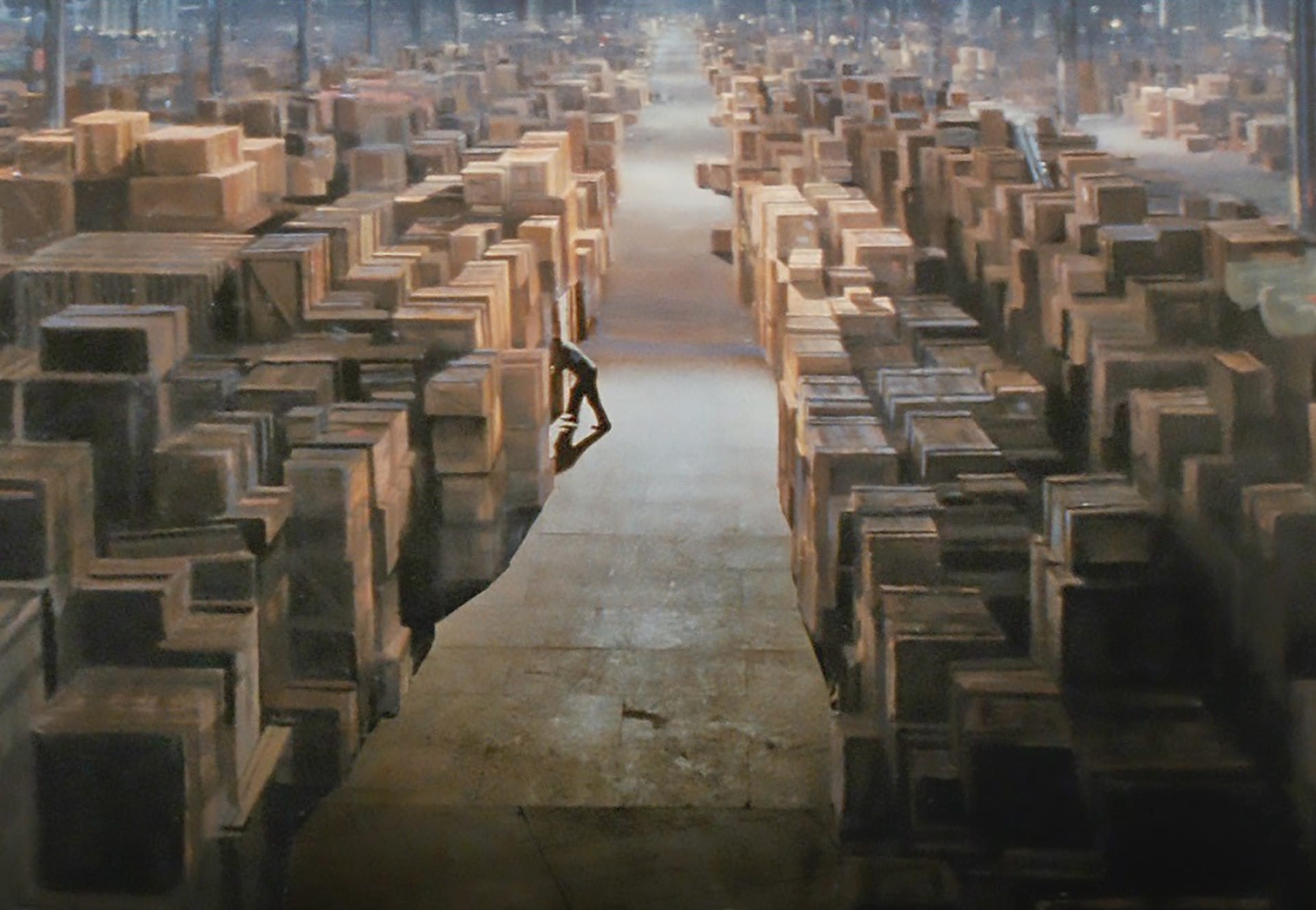
Use sensible defaults for your file formats. PDF. Plain text where possible. Keep working drafts in whatever file format works best for you, but when you're saving a draft or wrapping up a project, export an archival copy in one of these file formats.
Make sure you use the same filing system for your backup and your primary work computer. Yes, use folders. I know that you can easily search for things on just about every device, but hear me out:
If you use folders to sort out the types of writing you're saving, it makes it easier to know at a glance the totality of what you have saved. Also, you can put some of the information that would go into a lengthy file name and use it in the tree of folders the files are saved in.
But you don't have to take my word for it: Nina Tarnawsky has a simple walkthrough of building a file system based on how actual archives store their materials. Also, The New School suggests some guidelines for how to name your files.
"Why am I doing this?"
Whether it's an assignment for class, the work you did with your writing partner over the weekend, or the last draft of your book, you don't want it to disappear. Publications, hard drives, and platforms will all eventually fail. Ashes to ashes, bytes to bytes.
If you prepare for when things might fail, you'll be a lot calmer than if you just hoped for the best.
Don't bother planning for the absolute worst, though. You won't need your latest spec script draft when the volcano asteroid hits.