🕹️ #316 - Storytelling for Games
But WHY is our princess in another castle? We're talking about writing narratives for games in this week's Inneresting!

Previously on Inneresting --
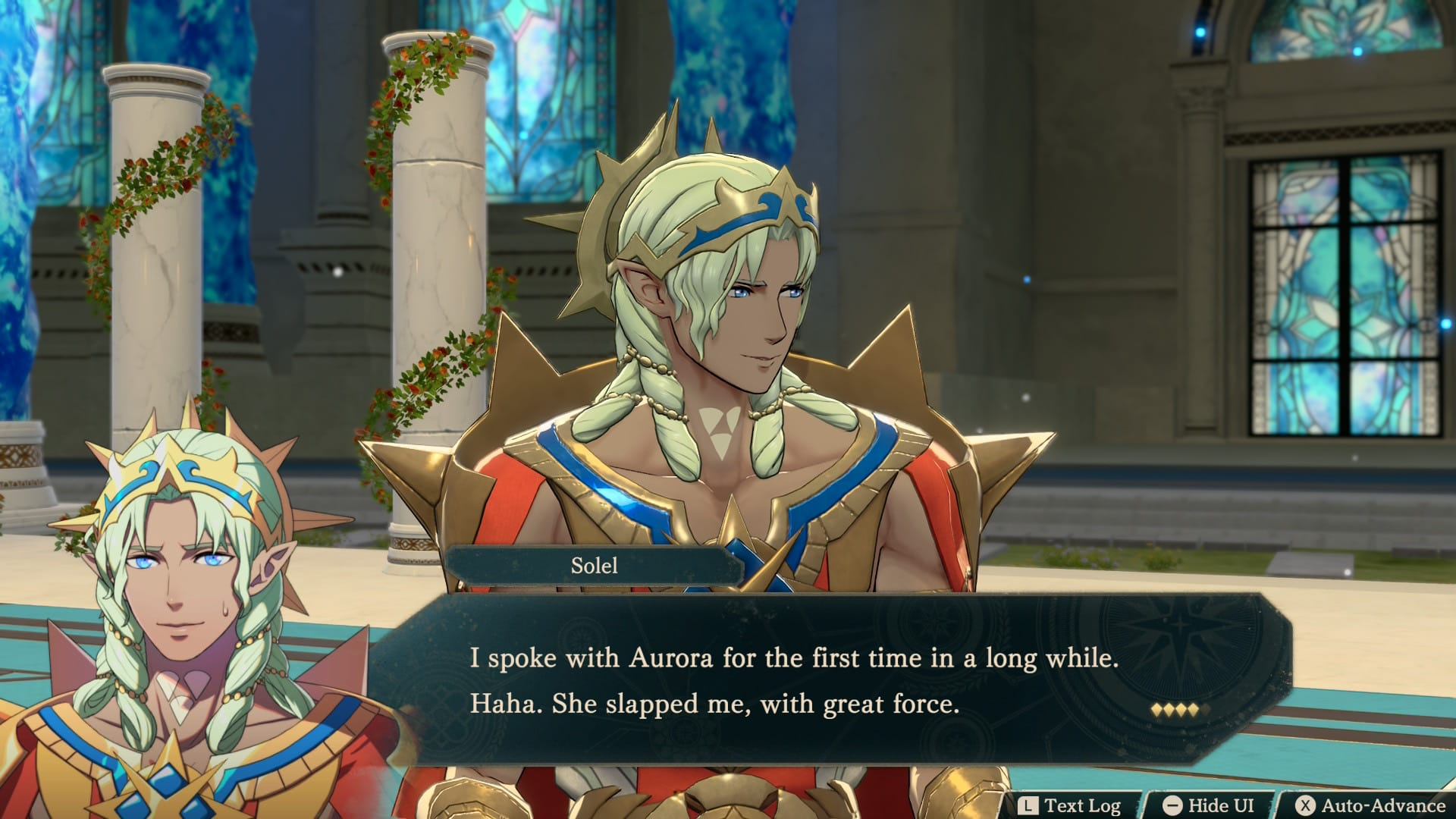
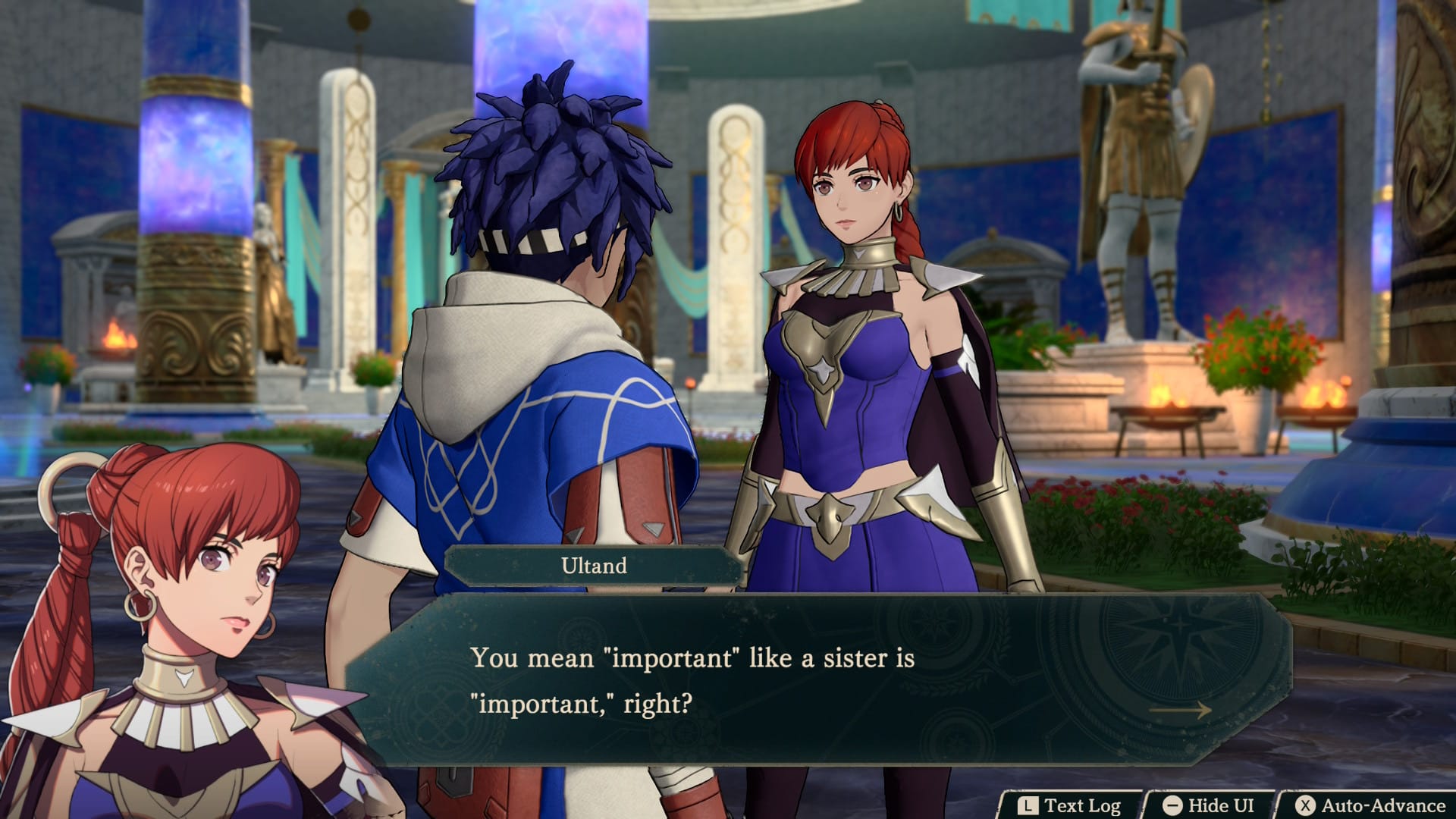
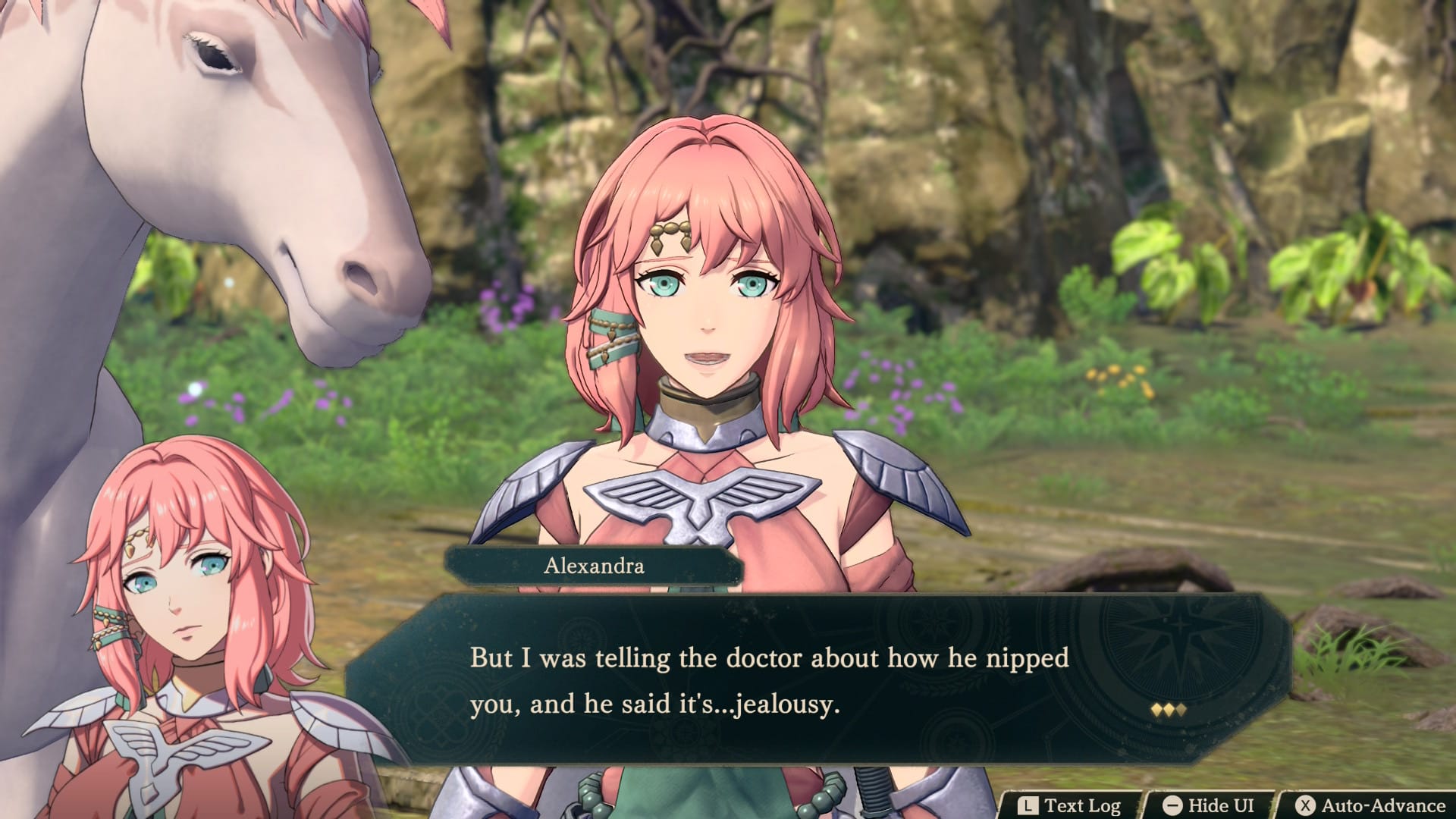
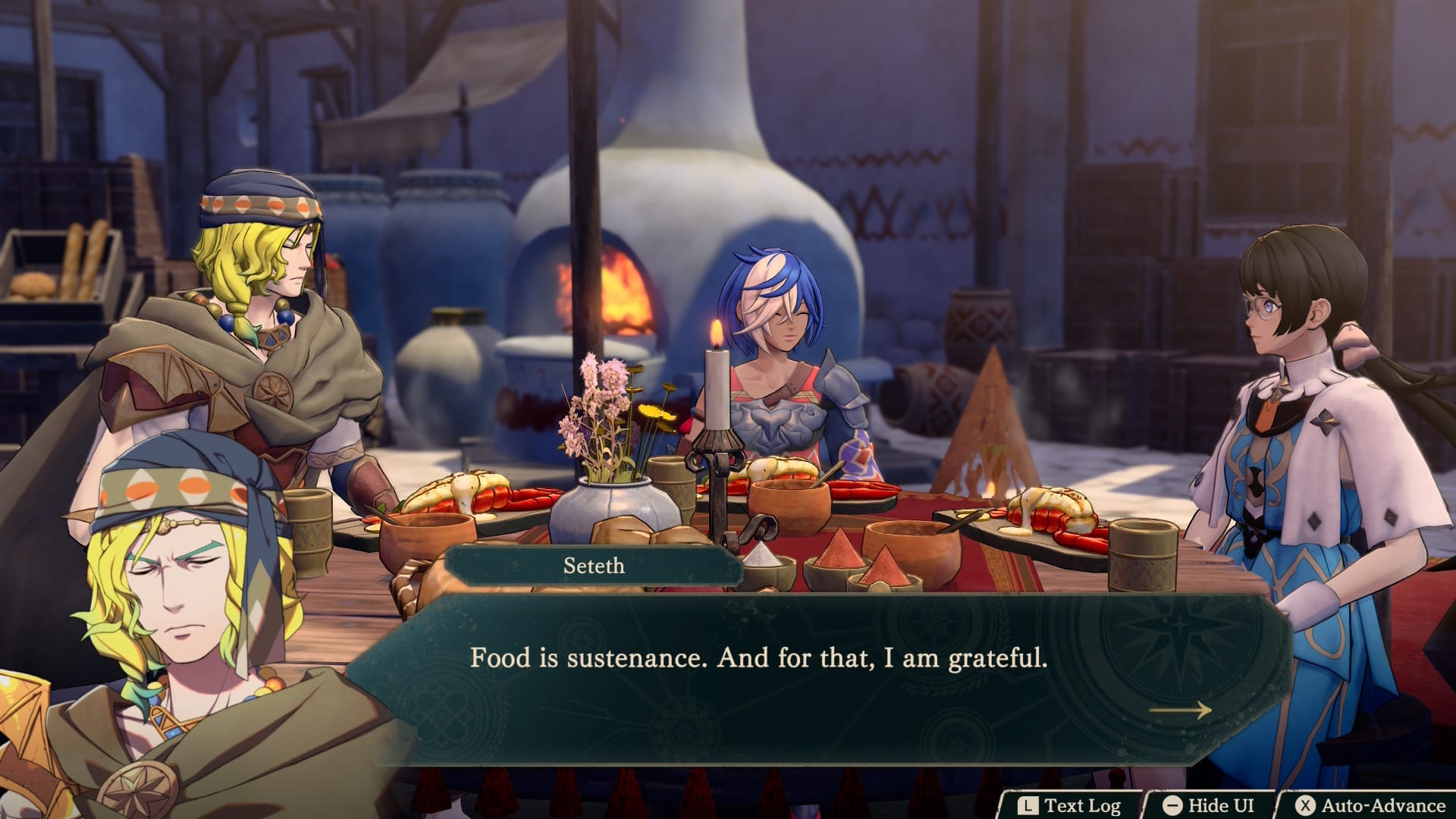
Out of context Fire Emblem: Fortune's Weave dialogue
While putting together lessons in storytelling from the latest Fire Emblem game, another topic came up: What should writers know if they're looking to write for a game?
Aigner Loren Wilson shares the dovetailed experience of learning how to code a game while discovering how to see the player as a story's protagonist. Just like how a protagonist's actions drive a traditional linear narrative, the player's actions decide the flow of a game's story.
Edwin McRae covers procedural narratives, and how a writer needs to consider ways to write character and tone into small events that can happen in any order based on the player's actions.
The Digital Socratic considers why Skyrim succeeds at making its side quests so distracting. While a linear narrative looks to cut away stray story threads, the Elder Scrolls series revels in creating involved and attractive detours that may delay a player's completion of the main quest, but increase the scale and depth of the world of the game.
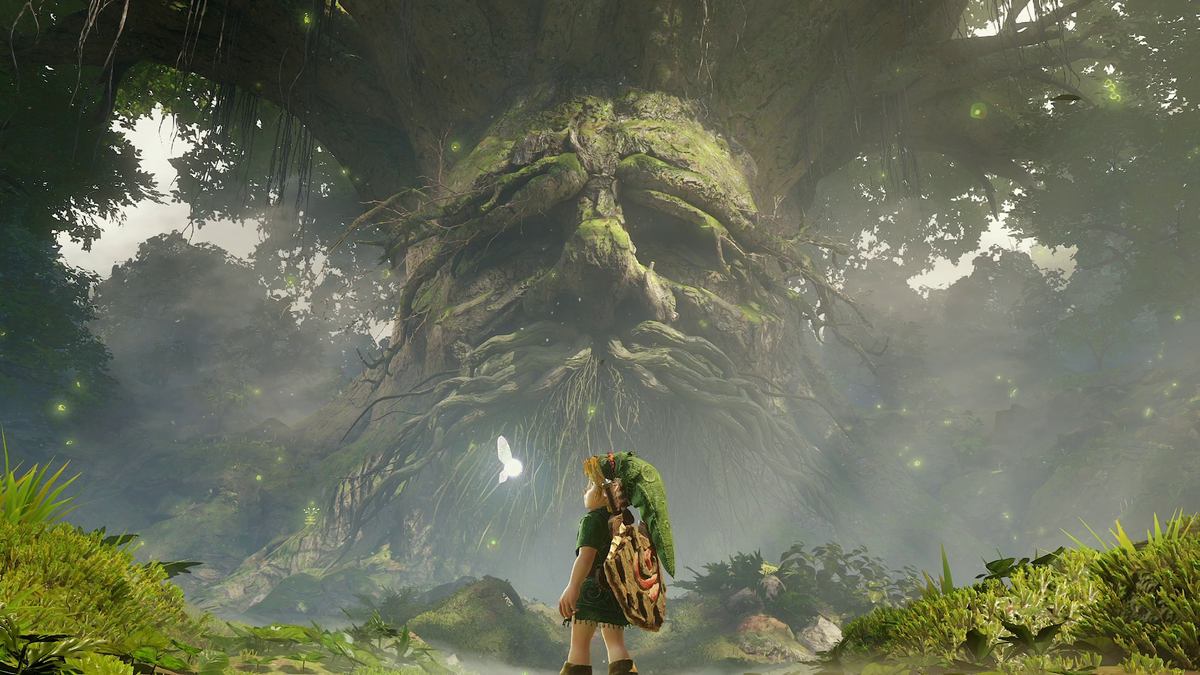
For my fellow Nintendorks, Yoshiaki Koizumi explains the difference between goals and storytelling, as well as how presenting story to the gamer changed from the era when lore was found in game manuals. Also, make time for the oral history of The Legend of Zelda: Ocarina of Time, which details how the story rapidly iterated in reaction to technical limits, level design, and a desire to find a way to feature both Young Link and Adult Link in a single game.
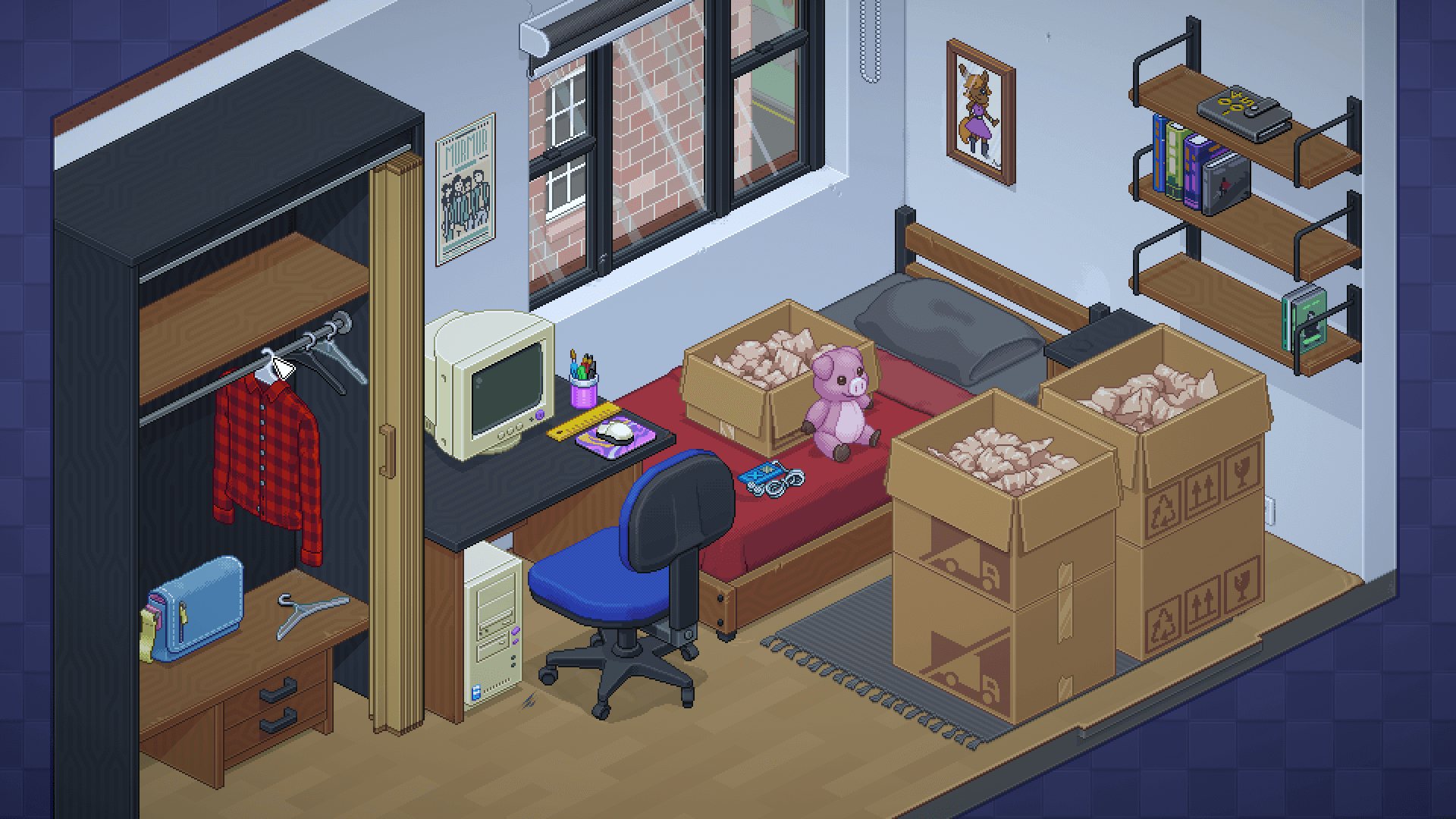
Abhi, Wren Brier, Tim Dawson, and Erica Elson discuss their work creating stories for indie games such as Unpacking and Venba. Part of the challenge they discuss is how to use details in gameplay that create clues for the player to find a deeper layer to the story, including how Unpacking eliminated story beats when they couldn't decide what objects would represent them.
Ken Wong provides a post-mortem on the making of Florence. Part of what the team learned in the making of this game echoes advice given to other narrative writers: a specific, defined protagonist will create a stronger emotional connection with the audience than a generic player character.
Though there are commonalities between thinking about how a viewer and a player will react to a story, one thing resonates in all of these interviews and breakdowns. The player sets the pace and decides how deeply they dive into the story with more agency than a viewer. Storytelling for games includes deciding how much room you want to provide for players to wander.
👋 Are you new here?
Inneresting is a weekly newsletter about writing and things that are interesting to writers. Subscribe now to get more Inneresting things sent to your inbox.
And if you can't wait until next week for more Inneresting, check out the Quote-Unquote Apps Blog where we keep previous issues and other posts about screenwriting and things interesting to screenwriters.
In case you missed it...
In the most clicked link from our last issue, Sarah Stumböck suggests trying a Taste Audit, where you look to artists you admire and attempt to see what connects them (and what what that says about your creative voice).
What else is Inneresting?
- Tracy Durnell shares the difficulties in adjusting your mindset when a diagnosis turns your everyday experience into a named condition.
- From SwiftFox, a little cat that lives on your desktop whenever you set a focus timer.
- Bea Isaacson draws the connections between modern day thirst traps and the self-portraiture of artists such as Elisabeth Vigée Le Brun and Albrecht Dürer.
And that’s what’s inneresting this week!
Inneresting is edited by Chris Csont, with contributions from readers like you and the entire Quote-Unquote team.
Are you enjoying this newsletter?
📧 Forward it to a friend and suggest they check it out.
🔗 Share a link to this post on social media.
🗣 Have ideas for future topics (or just want to say hello)? Reach out to Chris via email at inneresting@johnaugust.com, Bluesky @ccsont.bsky.social, or Mastodon @ccsont@mastodon.art