🤳 #307 - Are you someone famous?
What happens to the brain of someone who becomes famous, and how can writers use that to create more believable fictional famous characters?

On a recent episode of Scriptnotes, John sits down with Taffy Brodesser-Akner to talk about interacting with famous people, as well as ways that film and television stories can fall into cliché depictions of fame. Part of this conversation covers whether fame alters someone’s personality, or if someone’s existing personality allowed them to become famous.
This looks like a job for an Inneresting deep dive!
The Psychology of Fame
Donna Rockwell and David C. Giles compiled interviews into a study attempting to define potential areas of psychological concern that come with fame.
Among their findings was the concept of character-splitting. A celebrity divides themself into two personas: the celebrity entity for presentation to the public, and a “true self” that they share with only a select few. One potential problem comes if they default to giving the lion's share of their own attention to their public persona.
Ian Taylor collects the results of studies to suggest that whether it comes from wealth, fame, or political influence, power disinhibits people. The ability to more directly pursue goals reveals what people truly want (and who they truly are).
Jerry Useem looks into the power paradox, where as people rise in prominence, they lose the mental skills that allowed them to achieve their status. Success can damage the capacity for empathy, and lead people to overestimate their abilities and decision-making. Useem notes that people with great power who also had significant honest relationships acting as a check to their hubris could avoid some of the detrimental mental effects of power.
Thea Lim considers how getting a brief hit of fame for artistic work can cause the artist to lose their sense of self worth, especially when chasing the visible metrics of the digital age.
Stories we tell about fame
Another part of John and Taffy's conversation focuses on the clichés and inaccurate depictions of famous people (which can seem especially odd when real famous people portray fictional famous people).
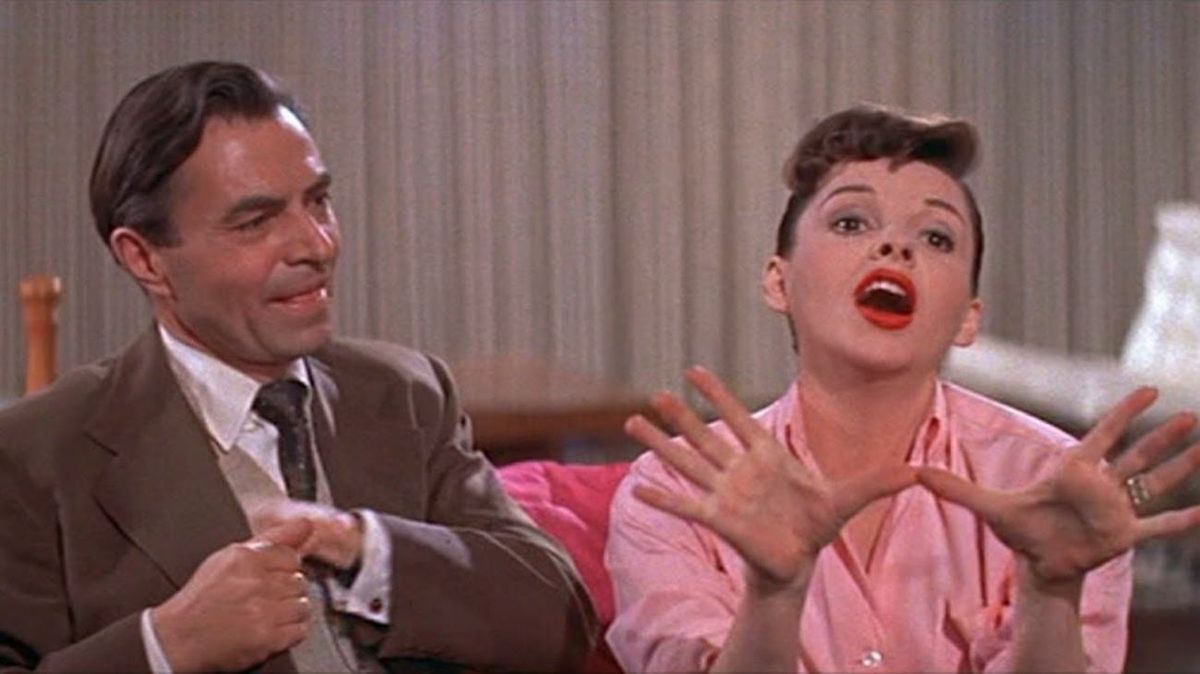
Be Kind Rewind asks us to consider the changes between four versions of A Star is Born. Each version relates to that specific generation’s conception of fame and how it works behind the scenes.
The biopic, especially the musician biopic, treads a difficult line between sharing an intimate look at a performer's life and following a fictionalized formula to fit into a feature-length run time.
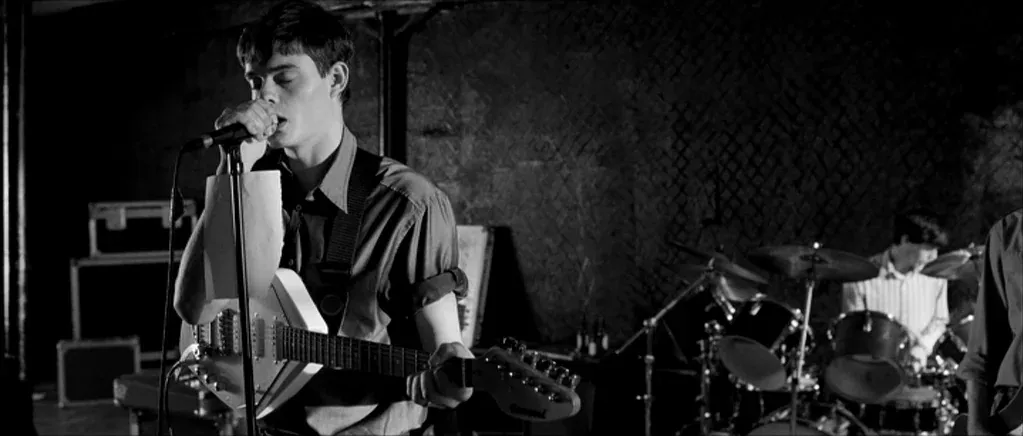
Emiloid points to Control as the antithesis of the comfortable, formulaic musical biopic. Ian Curtis's suicide removes the possibility of an uplifting ending, which would be enough to upend the expected structure in and of itself.
But Emiloid describes this as an honest telling of Curtis’s life and the story of Joy Division not because of it being scrupulously factual, but because it cares enough about Ian to focus on what made him unique instead of trying to force his story into the mold that regularly flattens the representation of talented musicians when used to bring their stories to the screen.
Tonino Cagnucci focuses on the involvement in the film of the surviving people depicted in it. While they agree some things were altered from how they happened in real life, the film hit them as emotionally honest. Bassist Peter Hook is quoted, “I really enjoyed it, but it was like having your heart stamped on.”
Kristen Yoonsoo Kim looks at Elizabeth Moss-starring Her Smell, and the ways that the film’s fictional musician follows a believable trajectory echoing Courtney Love’s career during the 90s and early 2000s. Margaret Farrell points to how Her Smell creates a more realistic depiction of a self-destructive musician than a standard biopic because “It’s told through the lens of a close-reading of real people, but it’s mercifully not a movie indebted to representing history.”
Karina Longworth probes the story of Bela Lugosi’s later years, milking the few remaining drops of his prior stardom to scrape by as he declined into drug abuse. The events detailed in this particular episode track with the depiction of Bela performed by Martin Landau in Ed Wood:
In the examples above, specificity counteracts the cliché. Creating scenes around this famous person instead of a (generic) famous person makes a difference in giving an audience a sense that they're truly peeking behind the curtain.
👋 Are you new here?
Inneresting is a weekly newsletter about writing and things that are interesting to writers. Subscribe now to get more Inneresting things sent to your inbox.
And if you can't wait until next week for more Inneresting, check out the Quote-Unquote Apps Blog where we keep previous issues and other posts about screenwriting and things interesting to screenwriters.
In case you missed it...
In the most clicked link from our last issue, Ronan of Inside Irish Music looks to the inception of the Cranberries song “Zombie,” and how the song’s layers of meaning are often flattened and misunderstood.
What else is Inneresting?
- Elle Cordova imagines a conversation where a rough draft explains all the horrors they had to go through so that the final draft could exist.
- Siladitya Ray on Mapquest standing up for proper hydronymy and shooting up the App Store charts.
- If only there was a term for humans who don’t review ai-generated work and just forward it to other humans. How about Meat Proxy?
And that’s what’s inneresting this week!
Inneresting is edited by Chris Csont, with contributions from readers like you and the entire Quote-Unquote team.
Are you enjoying this newsletter?
📧 Forward it to a friend and suggest they check it out.
🔗 Share a link to this post on social media.
🗣 Have ideas for future topics (or just want to say hello)? Reach out to Chris via email at inneresting@johnaugust.com, Bluesky @ccsont.bsky.social, or Mastodon @ccsont@mastodon.art
Post-credits scene
The most accurate short-form depiction of fame, Liza Minelli Tries to Turn Off a Lamp: