Teenage Slasher Archetypes at Camp Miasma
We answer the question about what's different between an Archetype and a Trope with help from Teenage Sex & Death at Camp Miasma.

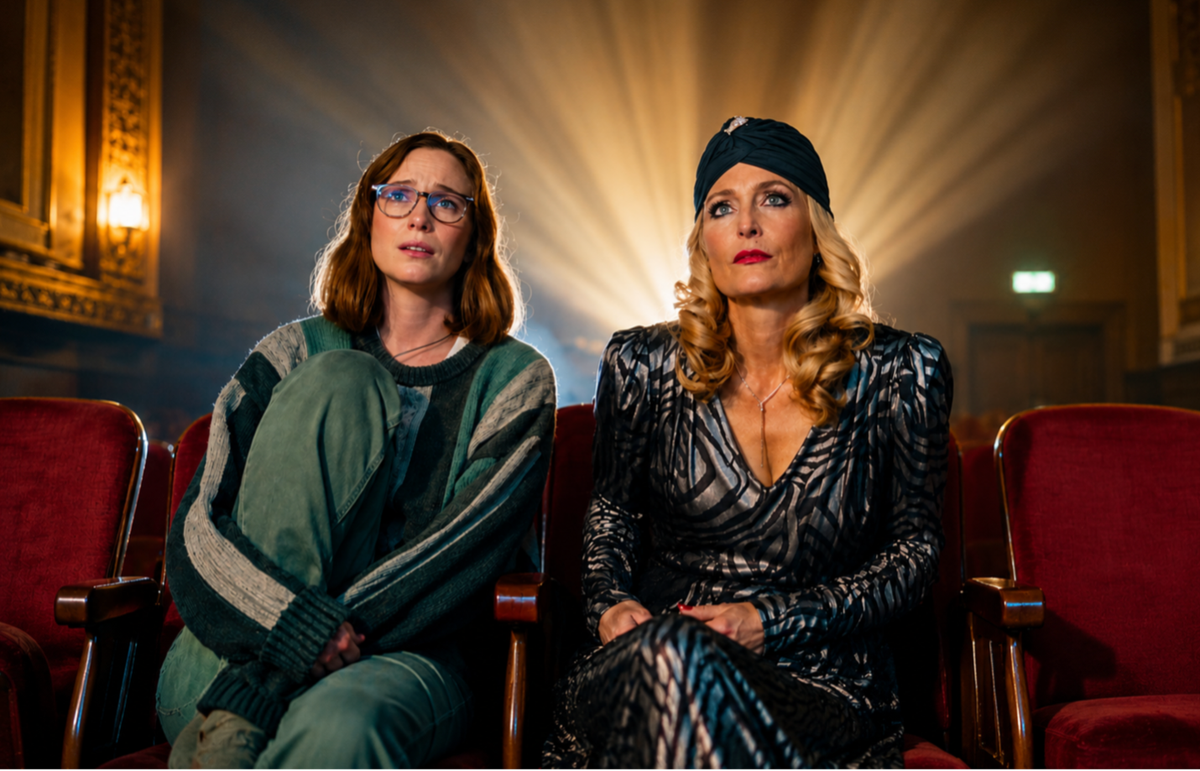
Archetypes and Tropes sometimes get used interchangeably. While they both describe common familiar elements you might write into a story, the difference matters.
An Archetype shows the role a character plays to other characters in the story. It's defining a relationship within the fictional world.
When an Archetype gets filtered through a genre to the audience, they may see it as a Trope. The Trope defines a relationship between the story and its audience.
Slasher films have a lengthy list of expected tropes, waiting to play out or get subverted. Writer/Director Jane Schoenbrun's Teenage Sex & Death at Camp Miasma has it both ways in different parts of the film. And this is what makes it a great place to look at how Archetypes and Tropes play together.
Kris
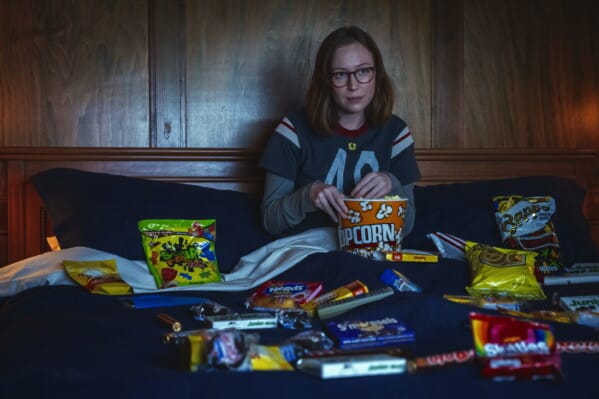
Our protagonist, Kris, is a filmmaker working on a reboot of the Camp Miasma slasher series. She feels a deep connection with Billy, who plays the Final Girl in the original Camp Miasma, and is on her way to meet her to talk about involving her in the reboot.
The Final Girl is a slasher trope with many different faces. The main criteria is being the lone survivor of the film's killer, but it also usually involves an arc where a character goes from fearful to confident; powerless to powerful.
But the specifics of Kris help us see the archetypes that relate to their character. Kris is a Connoisseur, who has a deep knowledge and affection for not only horror films, but film as a whole. Kris also takes the role of an Advocate, pointing out the transphobic messages in the original Camp Miasma series and attempting to articulate a way to make a slasher film that embraces queerness. But they're also something of a Coward, hiding behind walls of nearly impenetrable academic jargon, or begrudgingly accepting a poly relationship despite disliking her partner's choice of partners.
Billy
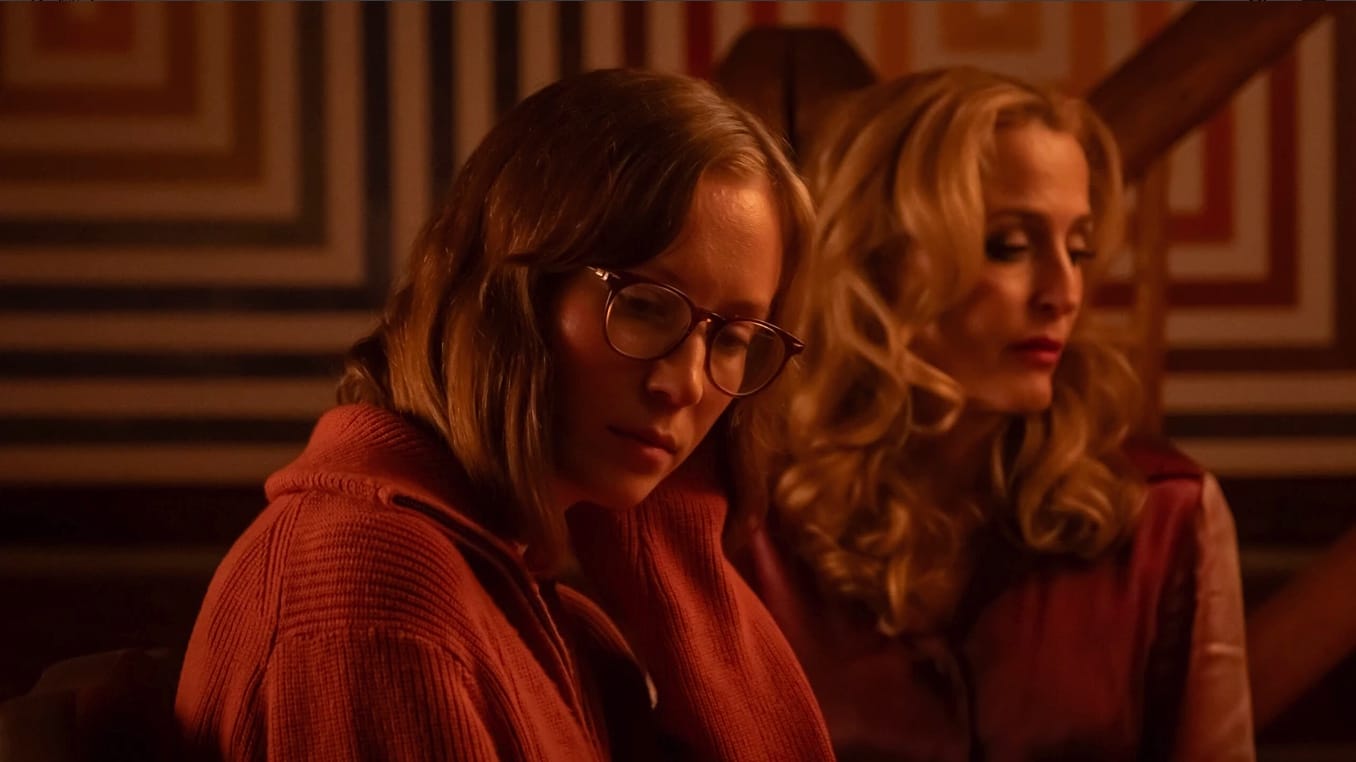
Not every Mentor feels like a wise Jedi or patient teacher. Sometimes they show themselves in different ways. Billy guides Kris into how to stop worrying and love the fear (and yourself).
"Camp Miasma is about two things. Flesh and fluids."
—Billy
Initially presented as Kris's Muse, Billy takes on greater agency quickly by encouraging Kris to spend the night in her secluded cabin and spend more time together. She pushes Kris to stop speaking about being a filmmaker and start to relate as a person. Partially a Provacateur trying to see what it will take to get Kris to open up, but also an Exorcist, working to free Kris from deeply internalized shame.
Yes, Billy was the original Final Girl for the fictional slasher series in the story. And yes, there is also a trope about bringing back Final Girls for sequels and reboots. They directly speak about it with each other.
But being a Final Girl isn't what defines Billy, even as she lives at the camp used for the first movie and makes art based on the film's killer. It's the specific ways that she interacts with Kris that create a fuller, dimensional character, but also give Billy an opportunity to define herself by a relationship other than with a mass murderer.
Little Death
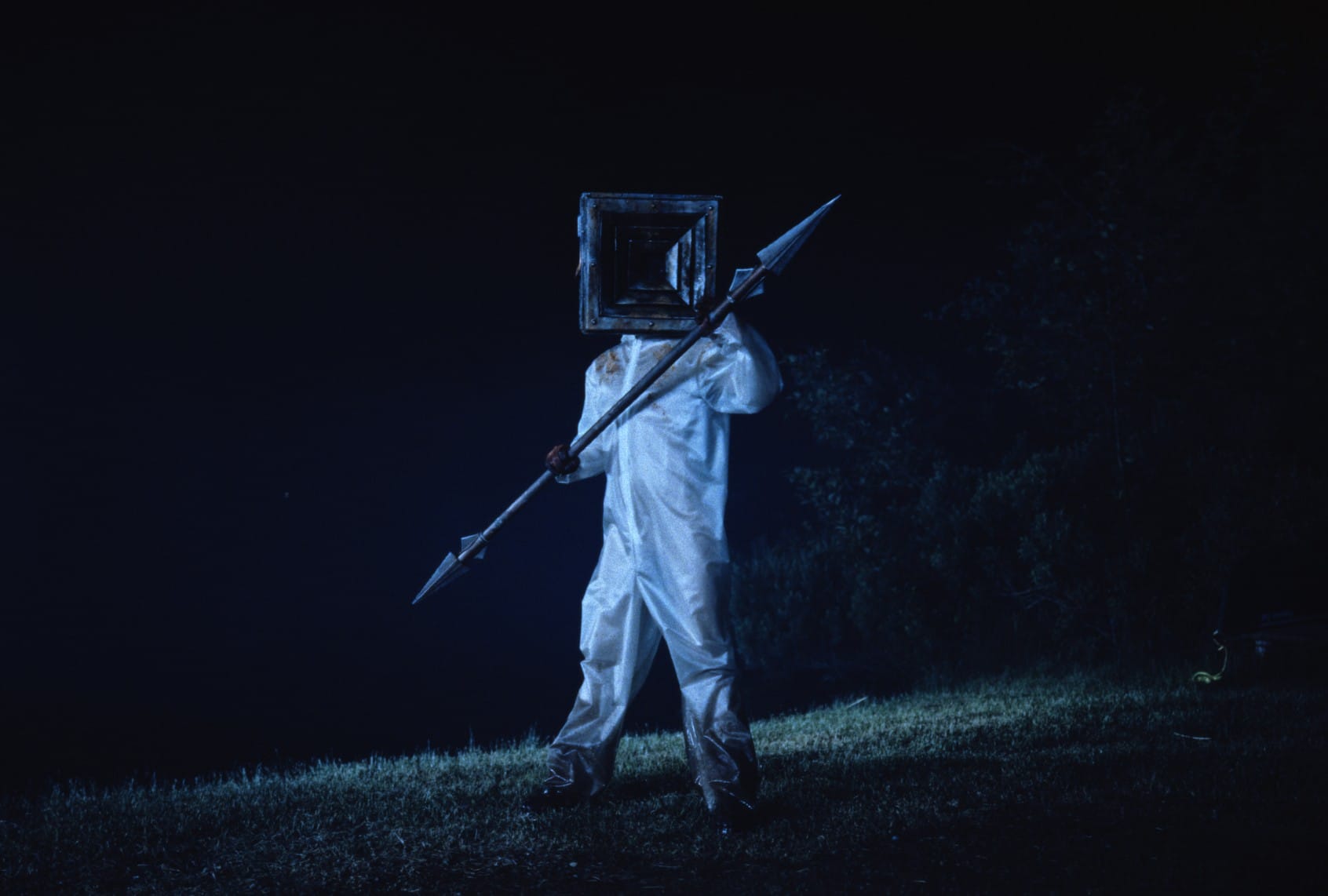
The Slasher in this instance is the vengeful spirit of a child drowned by other campers who emerges from the lake and gets all stabby. We see the familiar tropes represented for this type of killer with an iconic outfit, a specific weapon of choice, a memorable mask, and so on.
And while the pieces of the original Camp Miasma shown to the audience give the original backstory (using 1980s terms, biases, and bigotries to depict a child who alternately presented themselves as male or female depending on the day), the acts of Little Death draw from some core Archetypes.
Little Death is silent and violent, a Brute that kills and continues on until there's no one else to kill. A Destroyer that doesn't act out of a particular code or have a deeper motivation than killing everyone that sets foot at the camp. A Zombie that reacts to the presence of the living and emerges to remove them.
Part of why Archetypes are on our minds at Quote-Unquote right now is the Kickstarter that's about to launch. There's a new addition coming to the Writer Emergency Pack family:
The Character Creator Kit
While the Writer Emergency Pack helps get writers unstuck when they're working on scene writing and conflict, this new deck deals with an earlier point in writing.
Generating compelling characters can be challenging, especially if you're a genre savvy writer who has trouble getting out of their own head (looking at you there, Kris). All of the bolded Archetypes used on this page are just some of the examples in the deck.
This deck acts as a brainstorming tool, letting a writer consider how a character might take on different roles over the course of the story, or how their relationships with other characters might function.
“No one is just one thing. [This] deck helps you think of a character as a constellation of different archetypes.”
The official launch for the Kickstarter is coming October 13th, 2026. You can find out more about the deck and sign up to get notified on launch date on our Character Creator Kit landing page!