🎃 #310 - The Reason for the (Spooky) Season
Should we pooh-pooh the idea of Spooky Season? Is it better to have a big tent for stories about death, grief, and fear? And yes, Pumpkin Spice plays a role, too.

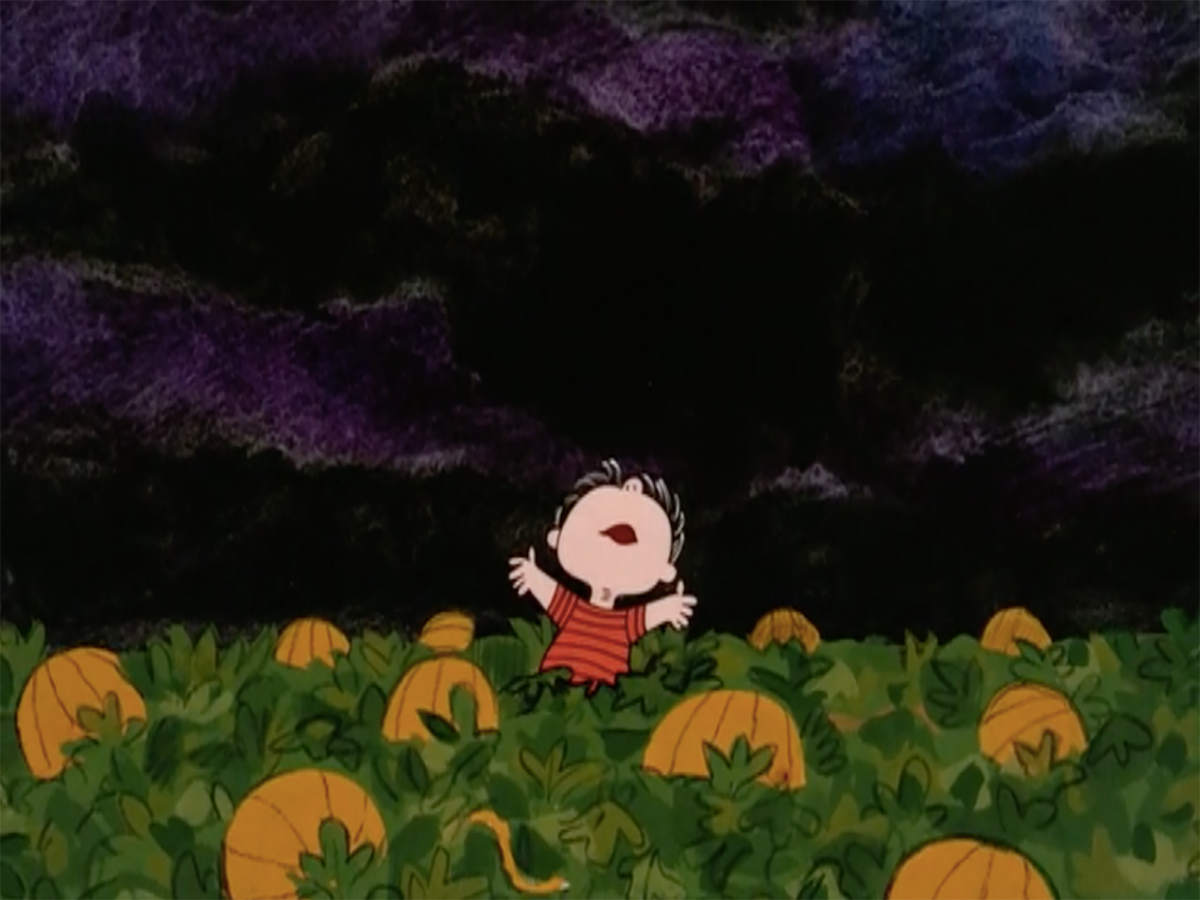
The concept of Spooky Season rose up through social media and has since been added into the consumer calendar. Is it just another way to package and sell Halloween? A tamer version of the chills and thrills of the season (analogous to the relationship between Target's Pride Collection and the Stonewall uprising)?
Or does a rose by another name still have thorns sharp enough to draw blood?
We're going to see a lot of ways that the Pumpkin Spice of it all and Spooky Season branding intertwine. Krystal D’Costa takes a historical look at the importance of pumpkin in the American culinary imagination, including how colonial-era New England Puritans were labelled with that era’s version of “basic” for their pumpkin consumption. However, the importance of pumpkins in the distant past as a sustenance crop helped charge it with symbolism and connecting it to ideas of the harvest and perseverence.
Emilia Morano-Williams highlights how the predictability of autumnal branded food and other products creates a nostalgic buffer that prevents people from recognizing that the climate is heating up. Memories of cozy autumnal bonfires and chilly leaf peeping excursions distract from the increasing frequency of wildfires and other formerly unprecedented weather emergencies. Catriona Aitken interviews British influencers about the spread of American-style fall decorating, and how their budget to stay on trend during the season continues to increase alongside the availability of more autumnal-themed products.
Michael Kleen considers the role of demographic shift and nostalgia as ingredients in the cauldron that brewed up spooky season:
Consider this: in 1970, 67% of Americans aged 25 to 49 lived with a spouse and at least one child under 18. By 2021, that number had dropped to just 37%. People are marrying later and having fewer kids.
By the 1990s, married couples with young children made up less than half of all households. Corporations began to take notice in the early 2000s. The money—and cultural influence—had shifted, prompting businesses to rethink how they market and shape holidays like Halloween.
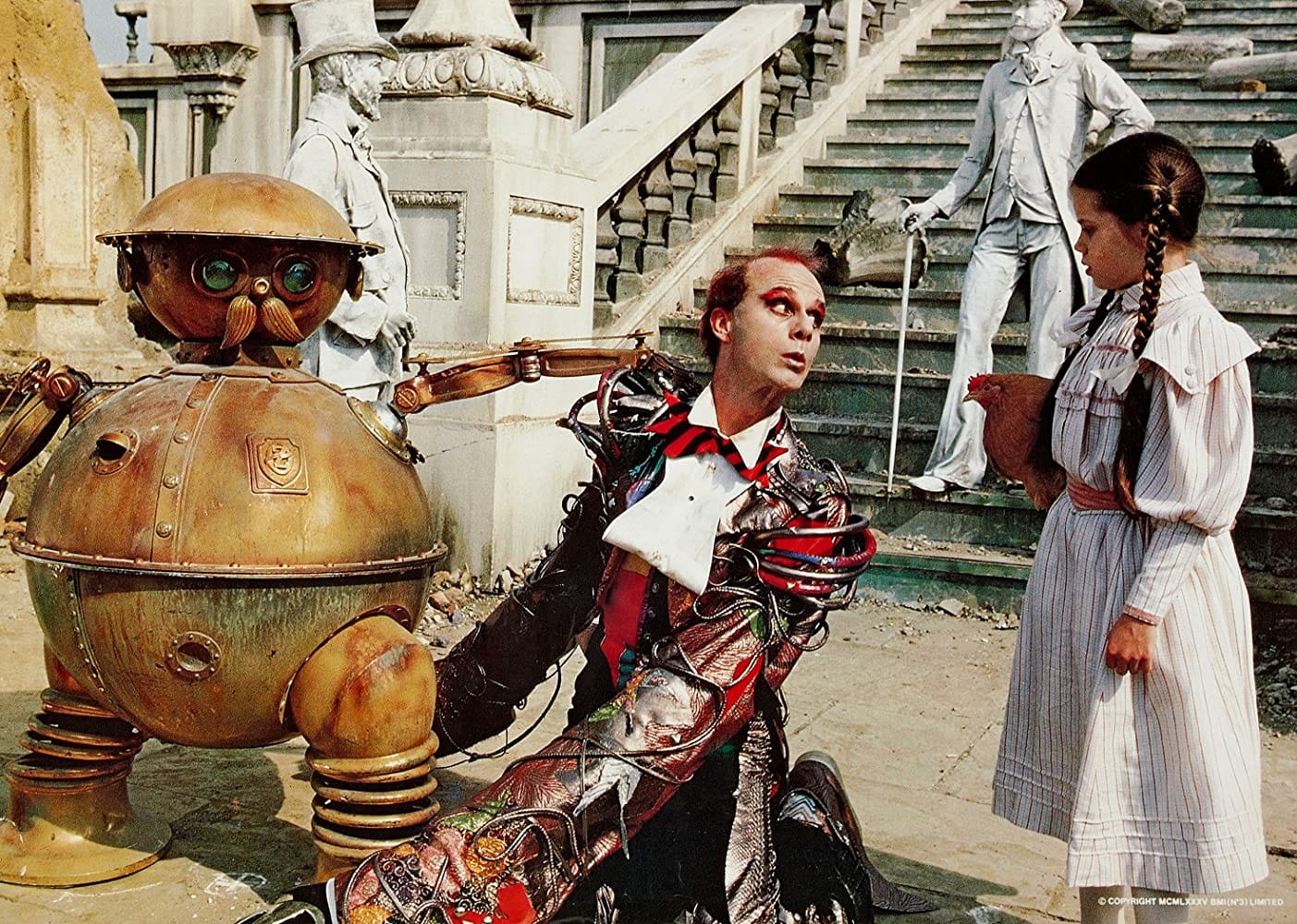
Murder Apparel brings up the notion of how Autumn enhances our sense of “mortality salience: a state in which death is mentally present,” tying this in with psychological and anthropological theories of how humans create activities to distract themselves from their awareness of impending death. Halloween, spooky season, becoming Mr. Autumn Man, etc. are all connected in the sense that they offer the safety of ritual and predictability to manage the terror of knowing you are mortal and destined to die, uncertain of when this will happen.
Vittoria Elliott and Kevin McDonald point out how the origins of Halloween in the Celtic tradition of Samhain were directly related to making practical preparations in case one didn’t survive the coming winter: settling old debts, thinning livestock herds, and attempting to appease spirits:
Similar to Halloween has drifted from death ritual to doorbell ringing, modern American engagements with death have changed from up close to a culture of avoidance…
’We used to take care of our dead in our homes – people used to die at home. We took care of our loved ones, dug their graves. We were there through the entire process. We have no idea what death looks like anymore.'
Snapdragon Life breaks down the old traditions around Samhain and Halloween into the anthropological and psychological motivations behind traditions. This includes a consideration of how modern activities act counter to those traditions.
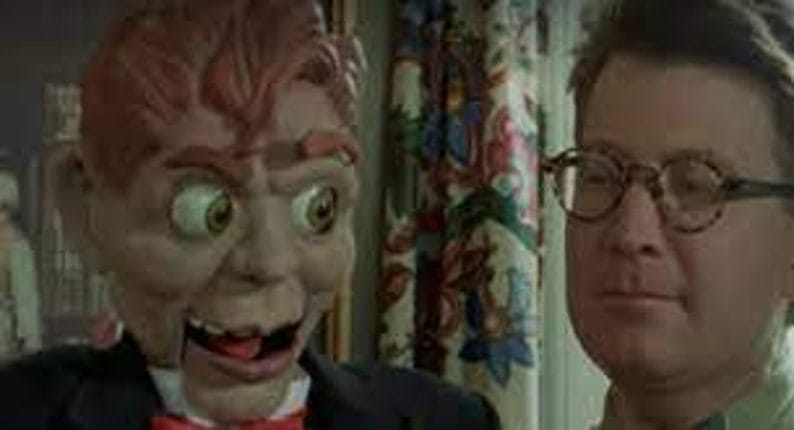
So, in the Autumn a person's fancy lightly turns to thoughts of death and decay. But this happens within a culture busy with denying (or at least softening) the realities of mortality and impermanence. So we turn settling debts and communing with the spirits into decorative gourd season and The Monster Mash.
But should we write off the not-too-scary as unworthy or lesser, or is this just a skillful means by which to coax the younger or less morbidly curious among us to take part in nature's reminder that all things must pass?
Mathias Clasen tests a hypothesis that fictional horror is a way for humans to engage with an instinctual need to prepare for danger in a controlled, curious way. The results show different ways that a good scare can provide psychological benefits. Alexandra Dos Santos shares how reading The Haunting of Hill House helped her grieve the death of her mother.
Steven Sheil compares horror films to fairy tales, and how they’re a way to engage with our deepest fears and ask questions about existence normally avoided in daily life:
It’s true, horror is often provocative, transgressive and challenging, but it’s also, in my experience, a genre with a deep and intrinsic concern for examining some of the most fundamental themes of human experience. Horror films have two main concerns: why people hurt one another, and what happens when we die.
👋 Are you new here?
Inneresting is a weekly newsletter about writing and things that are interesting to writers. Subscribe now to get more Inneresting things sent to your inbox.
And if you can't wait until next week for more Inneresting, check out the Quote-Unquote Apps Blog where we keep previous issues and other posts about screenwriting and things interesting to screenwriters.
Carpe Highlandum
Did you know that college students can use Highland Pro for free?
Whether it's on your Mac, iPad, or iPhone, you're just a few steps away from a better way to write while you're in school.
After you download a copy of Highland Pro from the App Store onto the device (or devices) of your choice, then follow the instructions from the welcome screens to submit your school email address and a photo of your student ID (full instructions here in our knowledge base).
Also, Professors, Adjuncts, and Lecturers: You too can use Highland Pro for free through the same application!
We want to help students with a fast, clean, and distraction-free app to get their writing done. And we're doing it for free, because even a discounted price on a great writing app can feel like a big ask for college students.
Whether it's for your first screenwriting class, taking notes, or drafting a term paper, seize your free Highland Pro student license.
Write something extraordinary.
In case you missed it...
In the most clicked link from our last issue, Tracy Durnell posts on how traditional jobs provide stable labels to provide other people and the larger job market, and how striking out on your own or working your own stitched together Frankenjob puts the onus on the individual to create an understandable explanation for others.
What else is Inneresting?
- Lucy Freeman explains how Pilanesberg National Park in South Africa solved a series of rhino murders by finding older elephants to model less toxic elephant masculinity.
- Jonathan R. Lack writes for The Criterion Channel on Neon Genesis Evangelion.
- Ayushi Thakkar with suggestions for using presence in any moment to make it feel meaningful.
And that’s what’s inneresting this week!
Inneresting is edited by Chris Csont, with contributions from readers like you and the entire Quote-Unquote team.
Are you enjoying this newsletter?
📧 Forward it to a friend and suggest they check it out.
🔗 Share a link to this post on social media.
🗣 Have ideas for future topics (or just want to say hello)? Reach out to Chris via email at inneresting@johnaugust.com, Bluesky @ccsont.bsky.social, or Mastodon @ccsont@mastodon.art