Ralph Reaches his Stretch Goal
A close look at Ralph Breaks the Internet, both as an example of a fundraising story and for how it emotionally connects to audiences and modern economic realities.

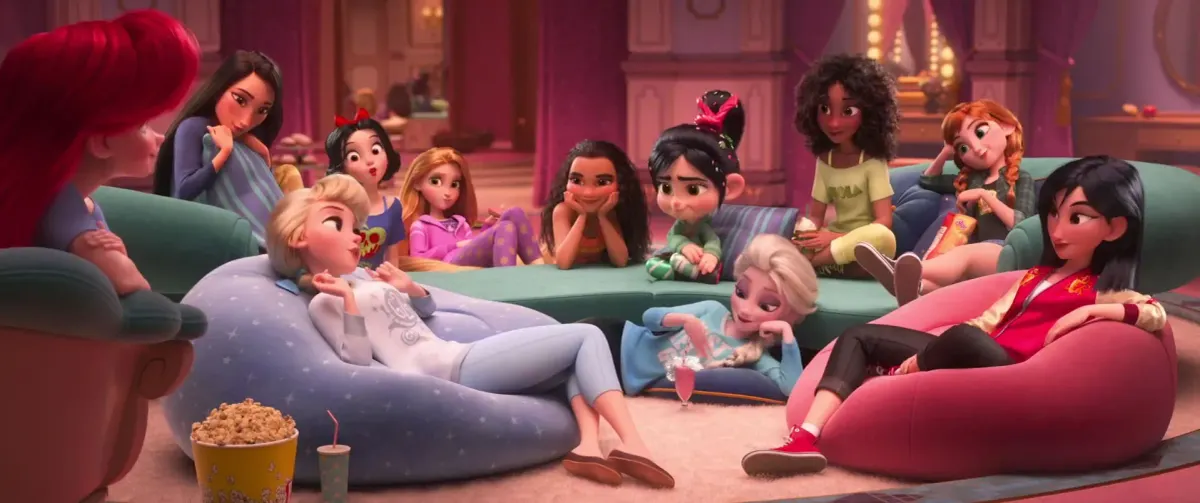
Ralph Breaks the Internet is a great example of the fundraising narrative we previously looked at in Inneresting. There's plenty in the film that makes for useful guidance for anyone working on a story where the protagonist's success depends on coming up with a large sum of money.
Let's take a deep dive to see how it structures its goals, forces characters out of their comfort zone, and has an awful lot to say about living under late capitalism.
Concrete fundraising goals
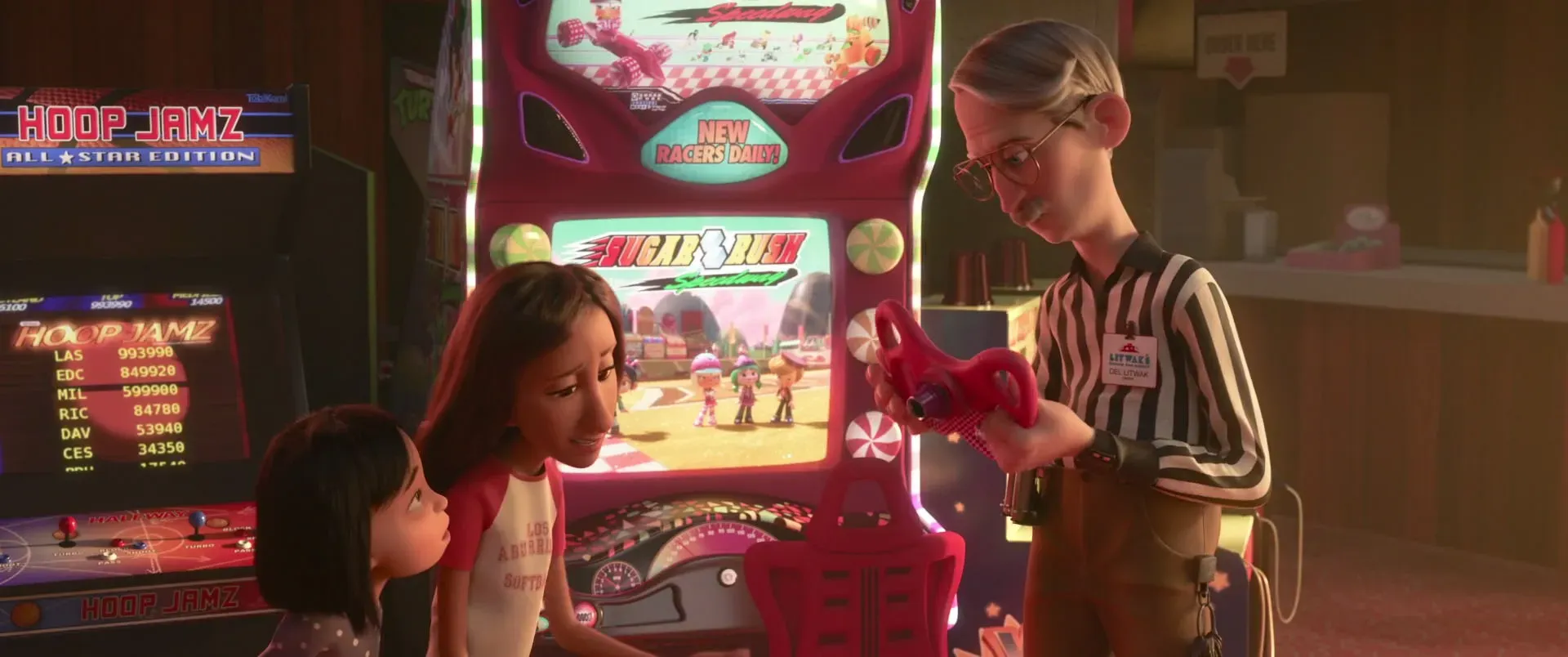
The steering wheel on the Sugar Rush game at Litwak's Arcade breaks. The company that made the game no longer makes replacements. The one available option is to bid on an overpriced one available on eBay.
In order to keep all the sprites in Sugar Rush safe in their own game instead of risking deletion by taking up shelter elsewhere, Ralph and Vanellope need to get that steering wheel.
A winning fundraising drive doesn't lead with the pitch "Give us money, because it would be nice if we had more money. For reasons."
On a storytelling level, it's also helpful in how it creates a clear metric in the audience's mind for what success and failure mean, and what will make the difference.
What makes it personal?
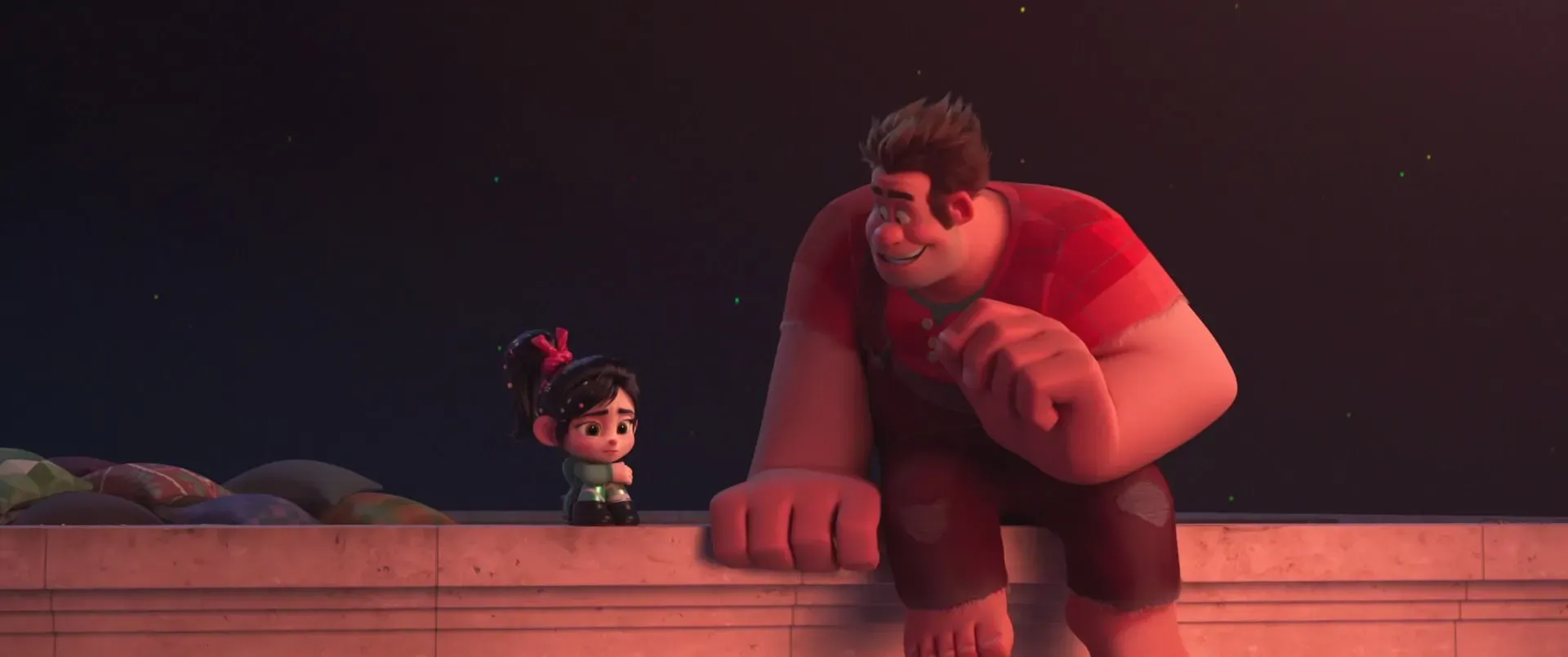
Ralph's own game was previously in danger of getting unplugged, so he understands the stakes for the sprites inside Sugar Rush. Vanellope is his best friend, and since she was able to reclaim her rightful place within the game's code in the previous film, he doesn't want her to be in danger of deletion again.
Vanellope's home is potentially getting unplugged, but that's not all that makes this personal for her. The wheel broke because she was fighting with the player. She was fighting with the player because she wanted to try Ralph's detour that he added to the track to give Vanellope a new challenge.
There's an element of guilt in how her actions created the problem, and there's also the seed of her dissatisfaction with staying in a game that never updates. She's done everything she can in this game, and trying to make something new only created problems.
Start with what you know (and don't stop)
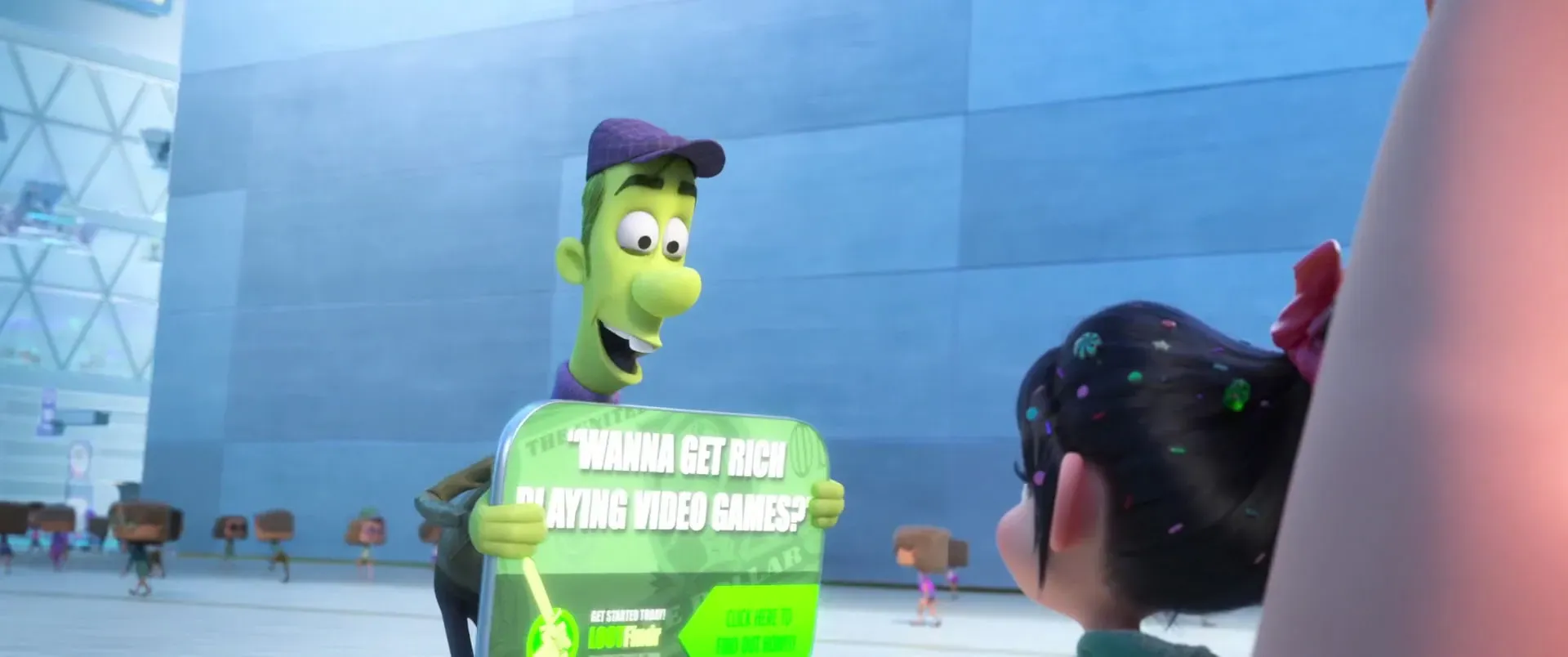
When Ralph and Vanellope look for a way to earn money, the first thing they try is working for J.P. Spamley. They're tasked with retrieving items from video games for humans willing to pay real money for them.
Video game characters hopping into games to retrieve items? Makes total sense for the protagonists.
But the story cuts off the easy solution in three ways.
First, they realize most of the gigs aren't paying them enough to make the money they need before the deadline. The answer to their problem was promising, but turned out to not be the right fit.
Second, while attempting a high-dollar heist in Slaughter Race, Vanellope gets sidetracked by the joy of getting to test her driving skills in a chaotic and unpredictable environment. She gets a taste of the life she wants outside of her home in Sugar Rush. While she still knows that it's important to the other sprites that they still have a home, she's not sure she belongs there.
Third, Shank from Slaughter Race suggests they go to Buzzztube to earn quick cash. It sets them into a different direction where their old skills aren't as useful, and they'll only succeed if they can adapt. It also attacks Ralph's desire to return everything to how it was, because he sees taking advice from Shank as a way of validating Vanellope's new friendship with her.
This movement creates a progression of steps that gradually increases the risk for the characters, as well as upping the threshold for how much they need to grow and change to reach their goal.
Why the money matters
Peel back one layer of the specifics of this story, and what do you have at its core? It's about unaffordable housing, and the precariousness that comes with living one emergency away from financial crisis.
Or look at Ralph's journey. He starts with a stable life he knows, doing the same job every day while his machine earns tokens per play. But then the internet arrives, and suddenly he's thrust into gig work that moves him further and further from what he's familiar with.
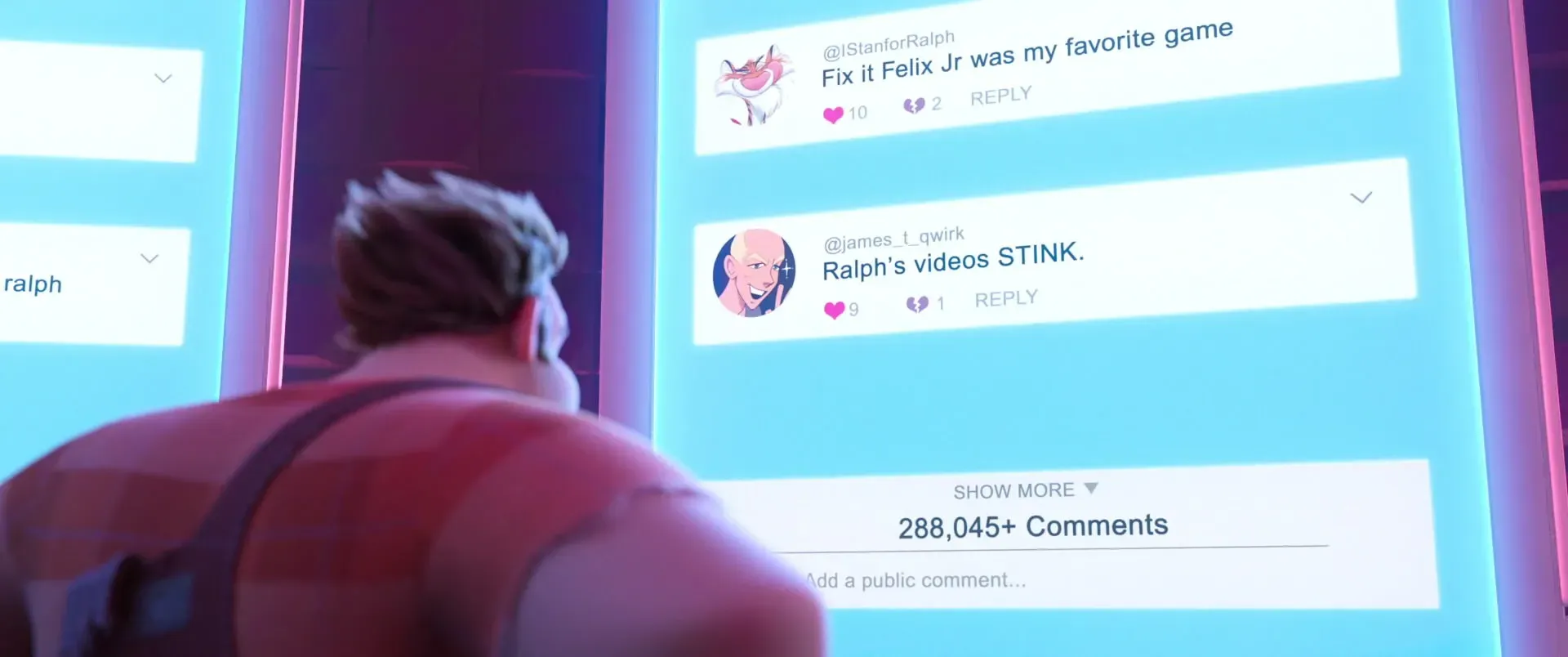
Specifically examine the way Ralph finally earns with Buzzztube. Money has no relationship to the time or effort he puts into the content he makes. It's a nebulous exchange between audience attention and cash. Ralph's desperation to rack up Likes is an extreme version of the influencer experience.
Back during the Grimm generation you could maintain a castle on one income, but not anymore!
Down at the very core of this story, Ralph believes that if he does the right things and earns the money he needs, this will be enough to put everything back to normal, including his friendship with Vanellope. Ralph wants to provide stability, but doesn't see how this undercuts Vanellope's ability to flourish. Money does not solve relationship problems (romantic, platonic, etc.).
The hopes, fears, and misunderstandings that come with needing to earn money can be hooks for an audience to relate to what's on screen. Those emotional bonds create a shared experience between the audience and the characters, even when the characters aren't realistic people in a realistic world.
Takeaways
- What's The Thing that this money will fund? Can you boil it down to a single item or project?
- Why does your protagonist need to see this goal through? How are they necessary to the success of the fundraising effort?
- If the protagonist could earn all that money doing what they already know how to do, they would've done it already. What about the process will challenge them? What drags them out of their comfort zone?
- How does this goal matter to the audience? What about the goal and the process touches on the hopes and fears the audience attaches to money?