😱 #304 - How smart is too smart (for a character in a horror story)?
Your audience deserves a better class of horror victim. How do we write smarter characters that can still find themselves on the business end of a machete?

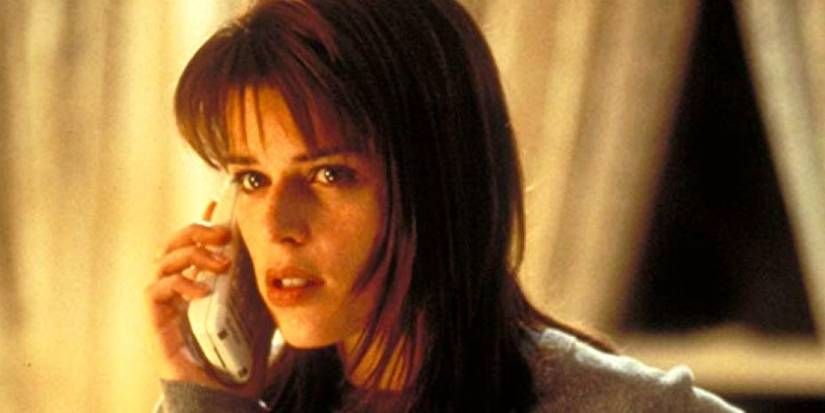
Cheeky Chucky describes the problem of writing believable horror movie victims as a fight between two opposing forces:
“Horror writers need these people capable enough that you root for them, but useless enough that they die, or wind up at the brink of death.”
How a writer balances those opposing needs matters. Sometimes it means creating bigger obstacles, or finding loopholes in their well-thought out plans.
In any genre, if you make a character do something foolish for the sake of the plot, it feels inauthentic. The difference with horror is its history of setting rules, lamp shading those rules, inverting the rules, and then lamp shading those again.
Why do people make bad choices?
No matter how smart you are, you can still make mistakes. We hear this and understand it as a general concept. But if a character in a horror movie runs upstairs instead of going out the window, or don't see the killer right behind them, we're shaking our heads and eager to criticize.
But if a writer can understand the real-world reasons why people make bad decisions, it can help inform a character who understandably makes the wrong choice in a life-or-death decision.
Gideon Nave from Wharton explains the role of hormones in decision-making. Stress elevates levels of hormones in our body, like cortisol, causing people to make faster decisions instead of slowing down to reason out more accurate answers.
ThoughtLab looks at decision fatigue and the imbalance that occurs between the logical parts of the brain and its survival drives. Consider how this might impact characters who have spent hours being chased by a chainsaw wielding maniac or the avatar of a Mayan bat god.
Laura Baisas points to studies on how dread alters the way people evaluate risk. People who are primarily focused on potential negative outcomes are less likely to do something risky. Who's more likely to not make that big leap to put some distance between themself and a monster: The person focused on getting across, or the person who expects to either be caught or plummet to their death?
Sometimes you can't just walk away
Every haunted house story needs to address an important question as early as possible: Why not just pick up and leave once it gets weird?
While you may be able to physically leave your haunted house, getting free of the house may not be so simple. The court case Stambovsky v. Ackley set a precedent that if a house is commonly believed to be haunted, the seller needs to disclose this to potential buyers.
It's hard enough to sell a house that's not haunted.
Katie Serena looks at the real-world events referenced in The Conjuring, including how the family continued living in the house for nearly a decade for financial reasons. Spinning off of that, check out the story of Chris Baricko, owner of the house depicted in The Conjuring, debunks the material used for the film’s story. The real horror story, according to Baricko, is the way that a quiet home was turned into the site of trespassing and harassment by people fascinated by a ghost story.
And let's not forget the impact of basic human curiosity. Brandy (The Terrorific Lady) explains how the cursed VHS tape in The Ring is so effective. While there is the creepy urban legend about the nature of the video, the “ritual” that unlocks it is something that people at that time saw as a normal part of daily life: Putting a tape in the VCR and watching it. That layering of something occult in the guise of something mundane prevents a gut check that would stop the story before it starts.
Even John Wick can't kill Jason Voorhees
When comparing the survival potential between a normal human teenager and a fabled supernatural murder factory in a person-shaped body, it's not apples to apples.
Autumn Walsh uses horror movies as a way in to discuss the human fight or flight response, both in analyzing Laurie Strode’s actions in Halloween and in how your own body reacts as you watch Halloween.
Part genre-hopping fan fiction, part physics class, NerdScience uses an imagined fight between John Wick and Jason Voorhees to demonstrate a scenario where standard offensive tactics fail and more creative solutions are required to neutralize an unkillable threat.
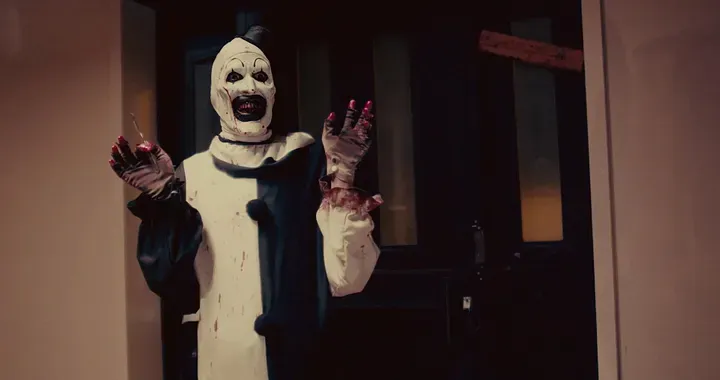
Waxyz World deals with the specific problem of surviving Art the Clown, and how you’re already at a disadvantage merely by paying attention to Art. “Weapons are meant to create distance, because you cannot kill Art.”
Takeaways
- Understanding human reactions to real-world stress can suggest ways to show the why behind the foolish decisions characters make.
- Remember that a human isn't just fighting against a supernatural threat, they're fighting against their own body and mind.
- Having a competent character die can either make it seem like the threat (and the story) is more terrifying, or it can make it seem like a flaw. The difference is whether the audience is told about their competence, or sees reasons to believe in that competence.
👋 Are you new here?
Inneresting is a weekly newsletter about writing and things that are interesting to writers. Subscribe now to get more Inneresting things sent to your inbox.
And if you can't wait until next week for more Inneresting, check out the Quote-Unquote Apps Blog where we keep previous issues and other posts about screenwriting and things interesting to screenwriters.
In case you missed it...
In the most clicked link from our last issue, Zoe Blade explains the Boolean colour palette (aka an old-school set of colors from the era of CRTs).
What else is Inneresting?
- For those who like seeing a skilled person demonstrating their craft in detail, Benedikt Kuby Filmproduktion shares a short film about blacksmith Alfred Habermann.
- John Scalzi on how using Generative AI for creativity is like playing Guitar Hero: "Was it a skill pressing the buttons at the right time? Sure, but it was a non-transferrable skill that had no application for the actual musical instrument."
- Antonia George on how much a person can "switch off," and better understanding the difference between radical rest and privileged indifference.
And that’s what’s inneresting this week!
Inneresting is edited by Chris Csont, with contributions from readers like you and the entire Quote-Unquote team.
Are you enjoying this newsletter?
📧 Forward it to a friend and suggest they check it out.
🔗 Share a link to this post on social media.
🗣 Have ideas for future topics (or just want to say hello)? Reach out to Chris via email at inneresting@johnaugust.com, Bluesky @ccsont.bsky.social, or Mastodon @ccsont@mastodon.art