📛 #305 - Where do character names come from?
Sometimes writers struggle to name their characters. This week's Inneresting collects some ideas that might make the job easier (from a certain point of view).

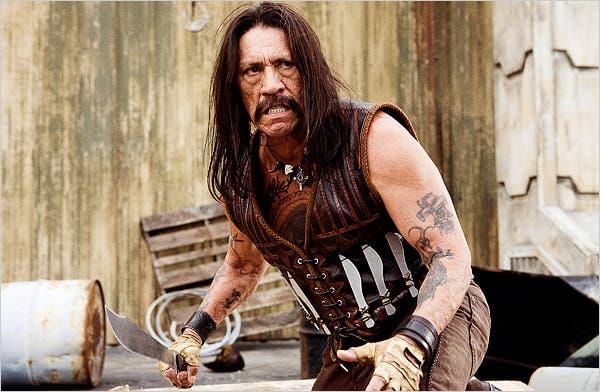
Choosing names for characters can be a chore. Yes, there's always the option to use Find & Replace when a better name for someone pops into the writer's head, but how does it get there?
We're looking at an idea this week that naming a character is part of setting up the entire world the story lives in. Fleshing out that world can then trickle down to inform what names work best for the story.
Jed Herne uses a system that combines worldbuilding and name creation (tailored to the fantasy genre) which asks the writer to consider the traditions of naming in the world of your story as well as the emotional resonance of the phonemes used in a name. Even if you’re not writing in that specific genre, the part on phonemes lays out some good pointers on how the flow of a name suggests character traits.
But that larger context for where names come from inside your story can also apply. Jene Gutierrez describes having to argue with editors about printing bell hooks’s name properly in lowercase. This opens up as a gateway to a larger point about the relationship between power and the power to name.
Tshepo Lephakga narrows the focus of power and naming to looking at the history of South Africa, and the ways that apartheid influenced what names for people, places, and events were chosen (and who could choose them):
[T]he history of South Africa should be read not only in the context of “colonial apartheid," but also in the context of what Motsoko Pheko calls the “story of conquered people”. This conquering stripped the conquered of the power of naming and thus bestowed and ordained the conqueror with the power to name.
In your story, who is allowed to give a name? Is there a character demanding use of their true name, or forced to disguise that name? How freely are people named within the world of this story, and how does it relate to the larger power structures of that world?
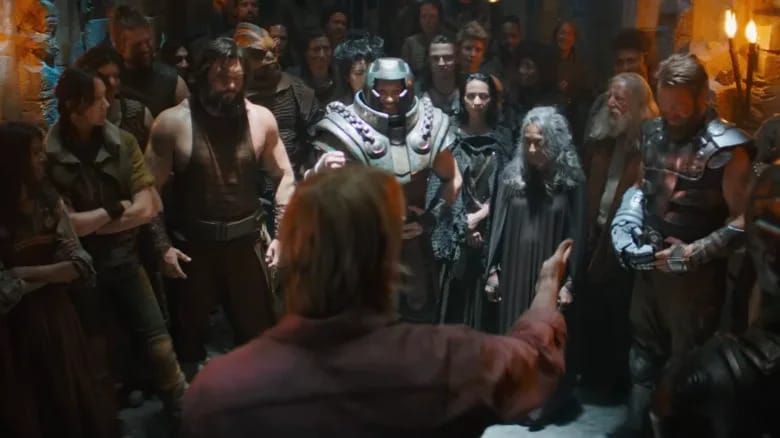
Monica and Michael Berg share the example of how Kabbalists may even encourage a change in name if a person has consistent bad luck, or seems ill-suited to the temperament of their name.
Justin Bailey looks at the role of names and naming in the Bible, from Adam’s dominion over naming the animals to times when people would be renamed after transitioning to a new calling or purpose.

All names have some sense of purpose and conflict behind them. Even if it's something seemingly small.
Consider: You have a character named Samantha who tells everyone to call her Sam. Her mother refuses, always using Samantha because, “It’s the name I gave you, and it’s a beautiful name.”
That's no longer just a name, but an explanation of a relationship, a power dynamic, and a signal of where future conflicts lie for these characters.
You may hear about the forward motion provided by a name, or theories on how a person's name may determine their future choices. But don't forget the opposite line stretching back to the past, and the choices that lead up to that individual getting that name in the first place.
👋 Are you new here?
Inneresting is a weekly newsletter about writing and things that are interesting to writers. Subscribe now to get more Inneresting things sent to your inbox.
And if you can't wait until next week for more Inneresting, check out the Quote-Unquote Apps Blog where we keep previous issues and other posts about screenwriting and things interesting to screenwriters.
In case you missed it...
In the most clicked link from our last issue, Antonia George on how much a person can "switch off," and better understanding the difference between radical rest and privileged indifference.
What else is Inneresting?
- Addy Osmani lists lessons learned from 14 years at Google. They directly relate to coding and software development, but the focus on clarity over cleverness and prioritizing the user/audience means these lessons have good crossover potential for writers.
- @nichunterreal on how “There is no spoon” from The Matrix relates to recontextualizing personal identities formed by trauma.
- Had to put on Paul's Boutique, because the article on biblical names reminded me of this track.
And that’s what’s inneresting this week!
Inneresting is edited by Chris Csont, with contributions from readers like you and the entire Quote-Unquote team.
Are you enjoying this newsletter?
📧 Forward it to a friend and suggest they check it out.
🔗 Share a link to this post on social media.
🗣 Have ideas for future topics (or just want to say hello)? Reach out to Chris via email at inneresting@johnaugust.com, Bluesky @ccsont.bsky.social, or Mastodon @ccsont@mastodon.art