😍 #306 - Ain't Talkin' 'Bout Love
Crushes, obsessions, insecurities: Inneresting looks at things that pretend to be love in stories.

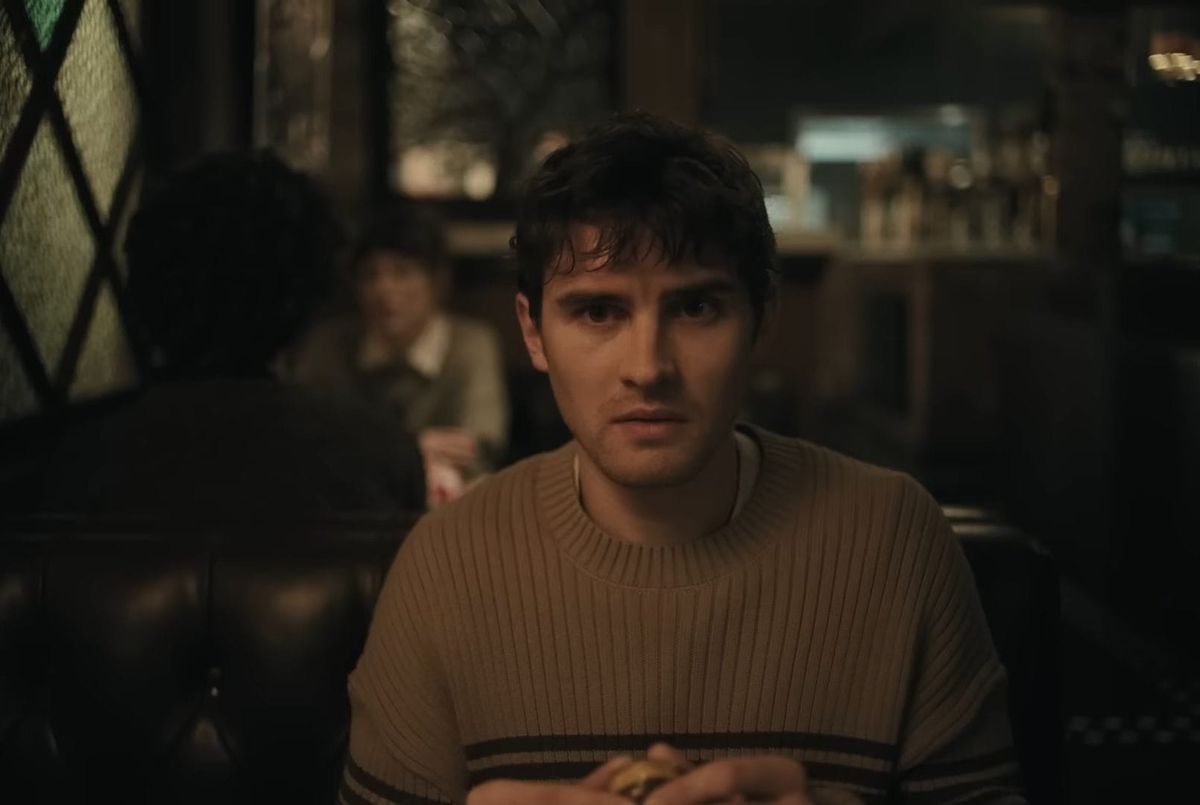
Love is an imperfect fusion of individual people. To the outside world, they may appear to live to the tempo of a single heart. In truth, each participant may see the relationship differently. The further apart their picture of what the relationship is, the more toxic it can become, and the less it looks like love. Especially if that love is one-sided.
We touched on this previously with the concept of the Relationship Matrix, arguing that a defining characteristic of any relationship is how in sync each character is on their relationship status. In Episode 742 of Scriptnotes, John and Craig talk with Curry Barker about Obsession, and the way the film uses a heightened reality to get at a relatable imbalance of feeling in a relationship. Craig brings up the idea of limerence:
It’s not even that you think they would want you back, you’re just scared to ask. You know they don’t. You’re lost, but you can’t seem to get out of it. Everyone’s had this feeling. It’s incredibly relatable. Also, I think maybe not everybody, but almost everybody’s had the feeling of understanding, “I think that person wants me. Eh, it’s not going to happen. How do I deal with that?” I was both of them the whole time.
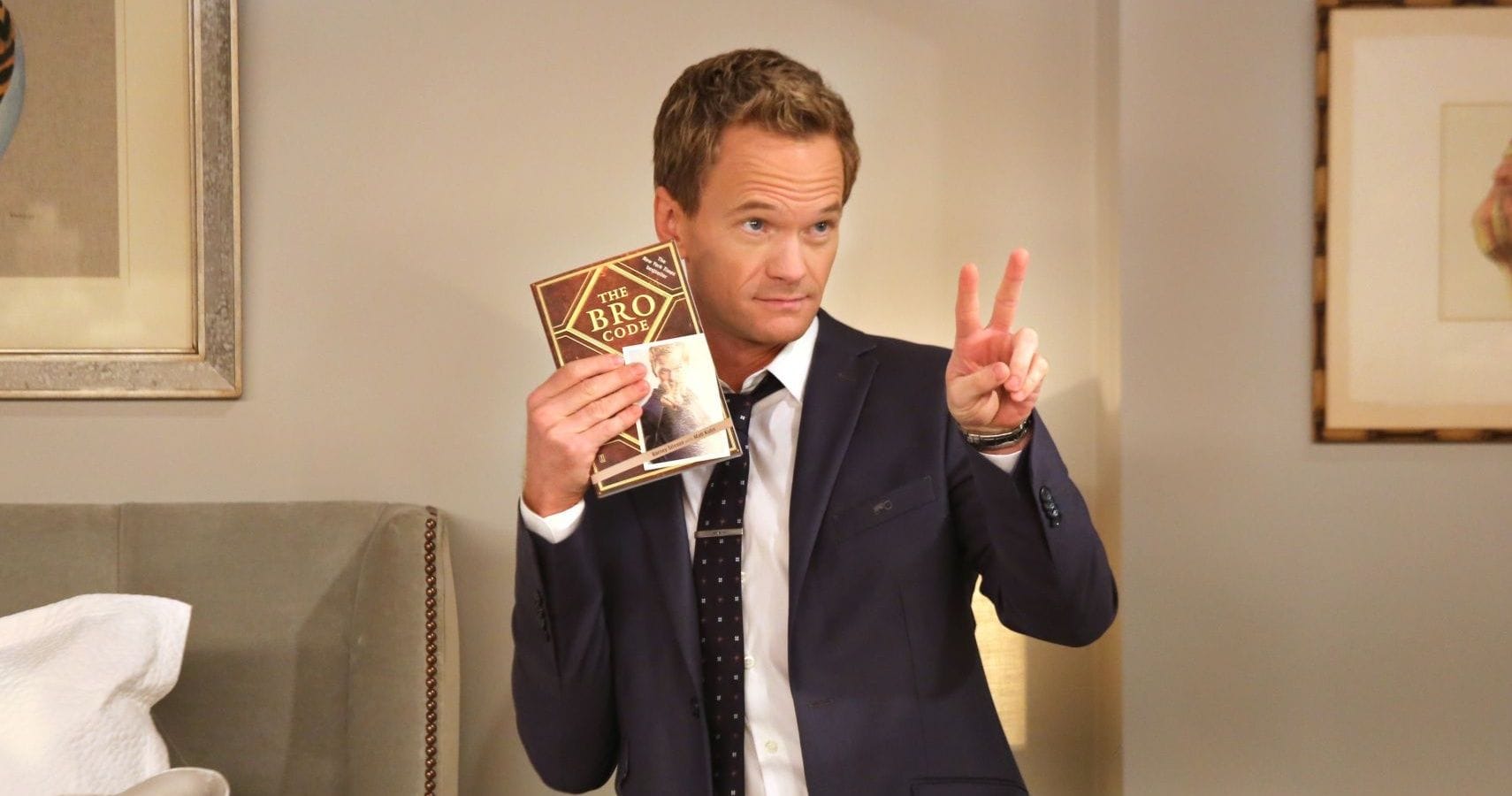
Ailey Jolie connects the lessons imparted by The Game and Eat, Pray, Love to show how two authors with compulsive behaviors created damaging ideas of what being in a relationship should feel like. In The Game, men were taught to follow a script and create a facade, creating relationships without emotional intimacy. In Eat, Pray, Love, women were given a beat sheet to help craft a narrative to explain leaving a seemingly comfortable relationship as an act of personal growth. But this message was delivered by an author who repeated the cycle and delivered a new book after the end of subsequent relationships.
Jolie argues that these two texts created a magnetic opposition for their readers and those who absorbed their lessons through cultural osmosis. In both cases, they’re telling you that being connected intimately to another person requires you to deny your true self:
Between these two groups a gap widens every year, not because men and women are fundamentally incompatible, but because the scripts they were handed make genuine meeting almost impossible. Vulnerability has been coded as weakness, staying as settling, and so both people perform — confidence on one side, independence on the other — and neither of them is in their body. They are both in their scripts.
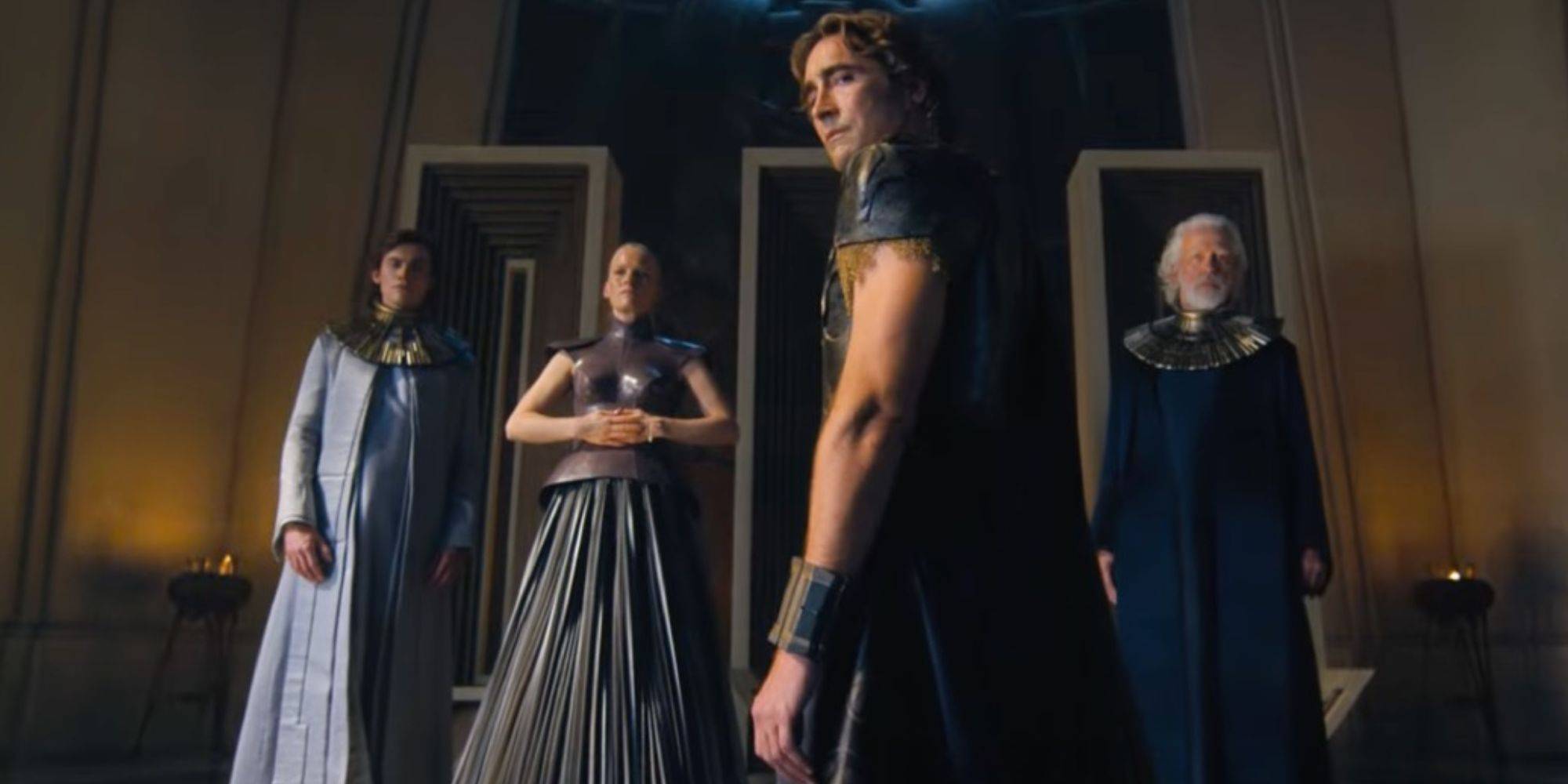
Pete Peppers digs into the tragedy of Cleon and Demerzel's relationship in Foundation. Each used the appearance of love as a means to manipulate the other. The pivotal scene from the episode "Long Ago, Not Far Away" shows the moment Cleon the First acts as if he is making a marriage proposal to the captive Demerzel, but is actually setting her up to reprogram her as an immortal servant to his genetic heirs. She sees it as continued imprisonment in a larger cage, but he believes it to be the gift of ruling the majority of the galaxy by proxy through her stewardship of his clones.
CLEON
Will you love me?
DEMERZEL
Yes.
CLEON
I wish I had asked you before I made it compulsory.
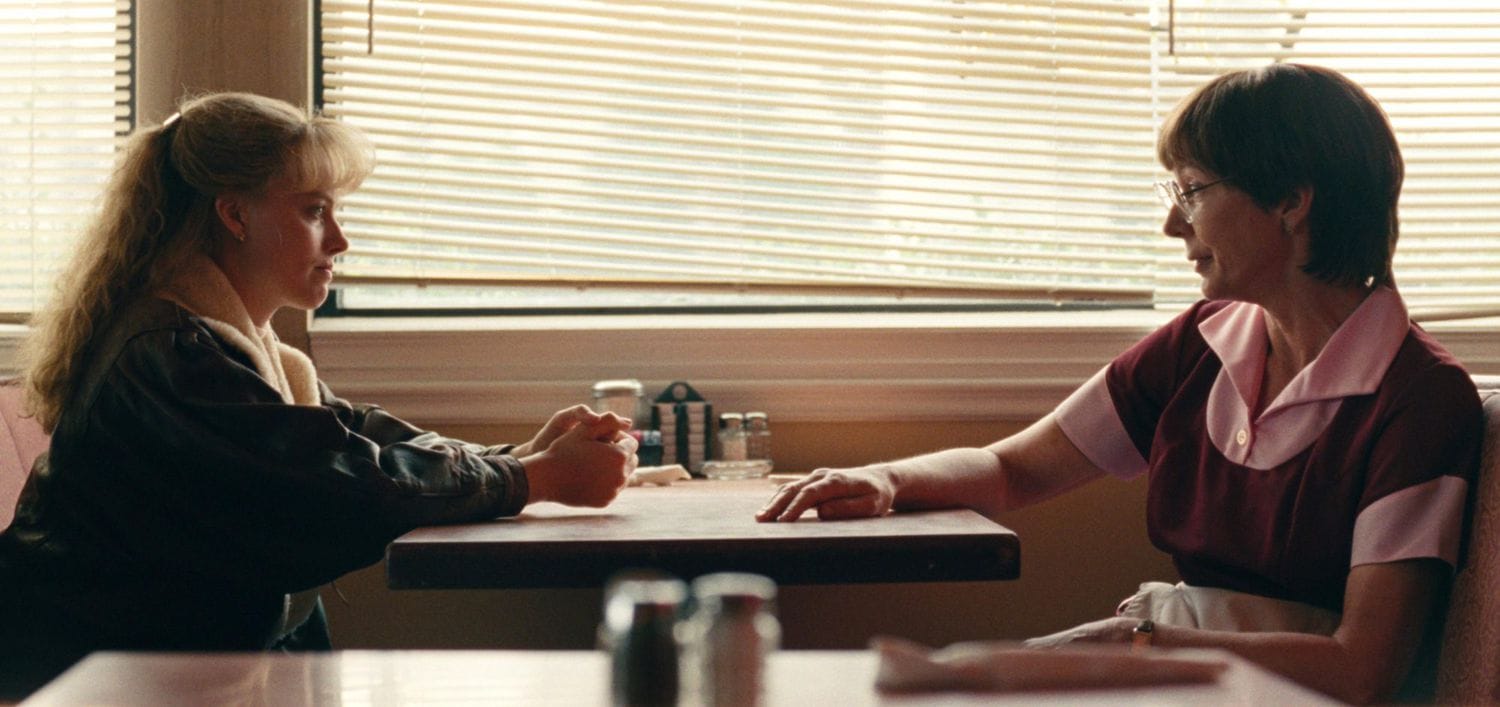
Arthur C. Brooks examines the mistake that love is transactional, and that greater effort on your part will net you greater affection in return. Did your parents tell you they loved you based on your behavior or achievements? Even well intentioned praise and encouragement can lead to a desire to earn more praise and attention through further exemplary effort. Blake Roberts explains how the primary experience of being abused is not harm, but confusion. That abuse is an effort to make a person believe the reality of the abuser.
It's worth remembering that any damaging relationship at some point came from the pursuit of an idea of something better. Like Sick Boy says about drug addiction in Trainspotting:
People think it's all about misery and desperation and death and all that shit which is not to be ignored, but what they forget is the pleasure of it. Otherwise we wouldn't do it. After all, we're not fucking stupid. At least, we're not that fucking stupid.
Craving love is a human experience. And any strong craving can also lead characters to being some degree of stupid. What do they think love is? How do they think love is found? Earned? Negotiated? Where did these explanations come from? Those answers matter, showing what makes it specific to their experience.
👋 Are you new here?
Inneresting is a weekly newsletter about writing and things that are interesting to writers. Subscribe now to get more Inneresting things sent to your inbox.
And if you can't wait until next week for more Inneresting, check out the Quote-Unquote Apps Blog where we keep previous issues and other posts about screenwriting and things interesting to screenwriters.
In case you missed it...
In the most clicked link from our last issue, Jed Herne explains his system that combines worldbuilding and name creation.
What else is Inneresting?
- “If I’m remembered 100 years from now, I hope it will be not for looks but for books.” You can help fulfill Dolly Parton’s wish with a donation to the Imagination Library, which has donated over 300 million books to children since 1995.
- Paresh Dave on how AI generated images of animals is making life harder for animal-focused non-profits (as well as people just trying to find their missing cat).
- Ronan of Inside Irish Music looks to the inception of the Cranberries song “Zombie,” and how the song’s layers of meaning are often flattened and misunderstood.
And that’s what’s inneresting this week!
Inneresting is edited by Chris Csont, with contributions from readers like you and the entire Quote-Unquote team.
Are you enjoying this newsletter?
📧 Forward it to a friend and suggest they check it out.
🔗 Share a link to this post on social media.
🗣 Have ideas for future topics (or just want to say hello)? Reach out to Chris via email at inneresting@johnaugust.com, Bluesky @ccsont.bsky.social, or Mastodon @ccsont@mastodon.art
Post-Credits Scene
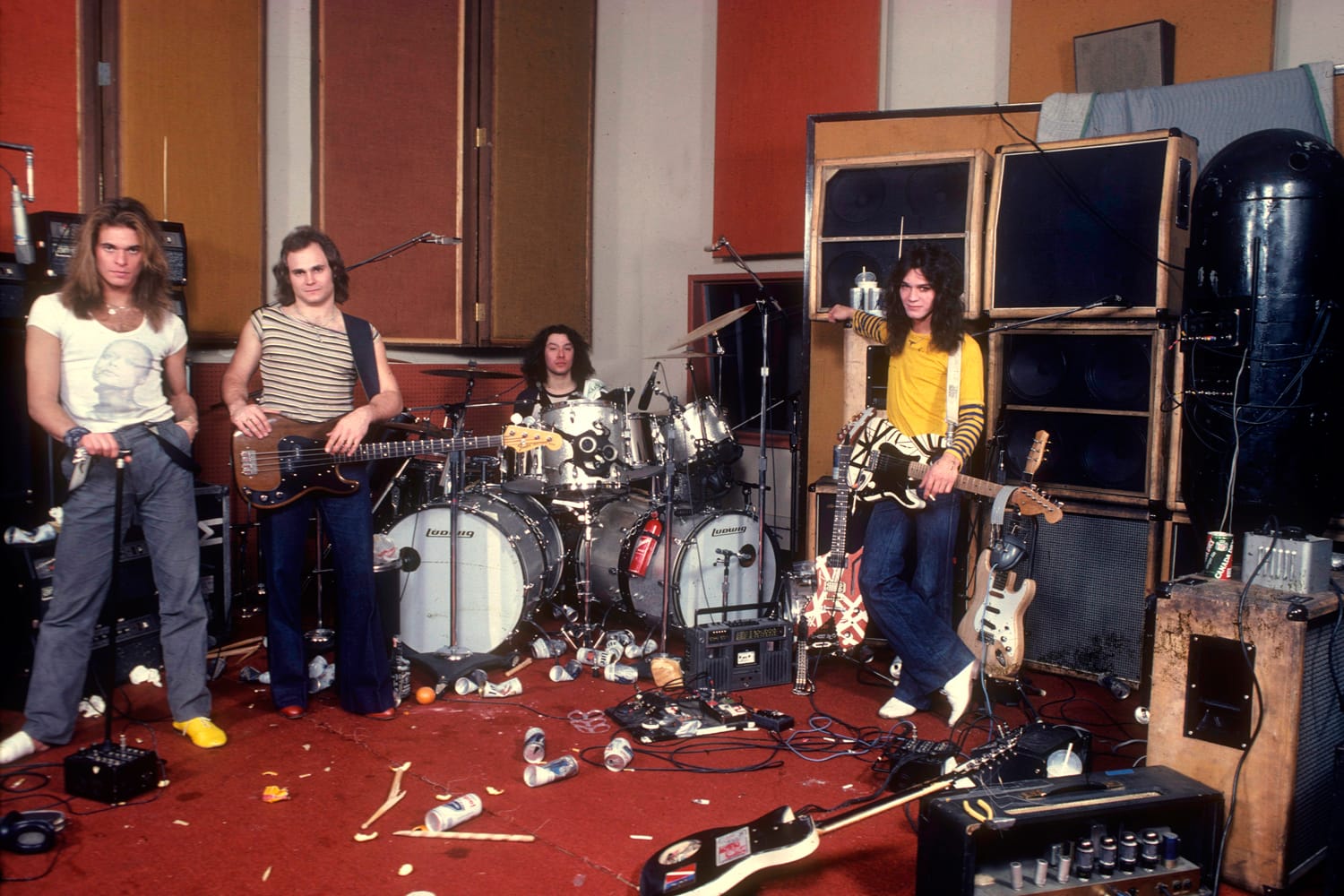
DAVID
It's a good title, but it could be better. Like, "Ain't Talkin' 'Bout L-U-V-apostrophe."
ALEX
Madness! You're pushing things too far.
EDDIE
Why stop there? Just initialize it as A-T-B-L.
DAVID
Then how will they know what I'm not talkin' 'bout?
MICHAEL
Talking about not talking about love is tearing us apart!
From the shadows, SAMMY HAGAR watches, teeth flashing in a devilish grin.
SAMMY
As it was foretold...
(hushed)
Cabo Wabo...