💁 #318 - Let Them
What does it mean for a character to block out distractions and obstacles to take ownership of their actions?

The Let Them Theory by Mel Robbins builds its argument around a core idea about the energy and focus people bring to their goals:
If you're struggling to change your life, achieve your goals, or feel happier, I want you to hear this: The problem isn't you. The problem is the power you unknowingly give to other people.
Sound like anybody writers spend time with? You got it! Protagonists (or characters in general) struggle to accomplish goals or change their lives.
Are they held back by a power imbalance with other people? Are they surrendering without knowing it?
A caveat: Treat this like an exercise. It's not an endorsement of the Let Them theory as equally applicable in all circumstances and for all people (fictional or otherwise). Dr. John Duffy takes up the argument that all self-help books should be read skeptically and fully digested before applying their lessons. Lily Thrope sees practical positive applications for some people, but shares examples of when Let Them can be a hinderance. For example, instead of creating detached acceptance of a situation, a person might use it as a way of avoiding a difficult problem or setting a proper boundary.
That said, let's adapt this tool to our craft...
Why won't people do what I want them to?

So much time and energy is wasted on forcing other people to match our expectations. [....] Let Them be themselves because they are revealing who they are to you. Just Let Them, and then you get to choose what you do next.
In The Dark Knight, The Joker's final plan to get Gotham to tear itself apart involves two ferries, two detonators, and a little game theory. One ferry is full of criminals. The other is full of a mix of random Gotham citizens. Both ferries learn that they have the option to press the detonator and blow up the other ferry, and if neither of them acts by a certain point, both boats will blow up.
And neither group chooses to blow up the other. This is not what The Joker was hoping for.
Like many of his schemes in the film, it's dependent upon other people acting as he anticipates. From the opening bank heist to putting a ransom on the head of a Wayne Enterprises employee about to blow the whistle on Batman's identity, The Joker has strong beliefs about how people will behave under pressure. He's betting on it every single time he makes a move.
It's a house of cards. The Joker's strength will only last so long as he's correct and lucky. Too much is left in the hands of other people and he ping-pongs from scheme to scheme because of the prerequisite of other people, including total strangers, doing exactly what he wants them to do.
Which leaves him frustrated and disappointed when there's no earth-shattering kaboom from the harbor.
See also:
- Principal Rooney in Ferris Bueller's Day Off, who refuses to just let Ferris have his skip day and focus on things he could do effectively and winds up beaten and humiliated with nothing to show for it.
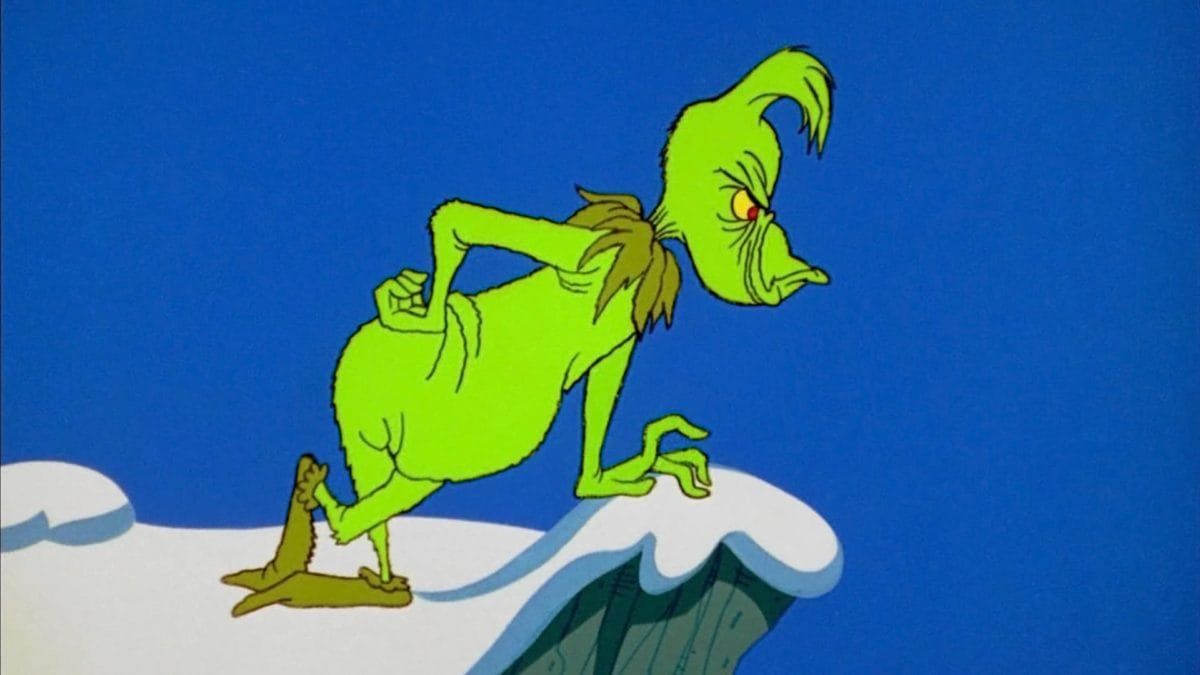
- The Grinch, because instead of finding a different way for himself to spend Christmas, he goes all in on an elaborate plan to make all the Whos down in Whoville have a miserable morning. And what does he get for all his hard work? They're happy and singing. He misjudged them and why they love Christmas.
Antagonists often react to something they can't stomach with the world as it is. Part of this may be a fundamental misunderstanding of the decisions and thinking of other people. "They're doing it all wrong!" they shout from their lair, mustache-a-twirling.
Evergreen character arc: Learning to let go
The fact is, none of that "control" actually makes you feel better. In fact, it has the opposite effect. Trying to control people and situations doesn't calm your fears. It amplifies them.
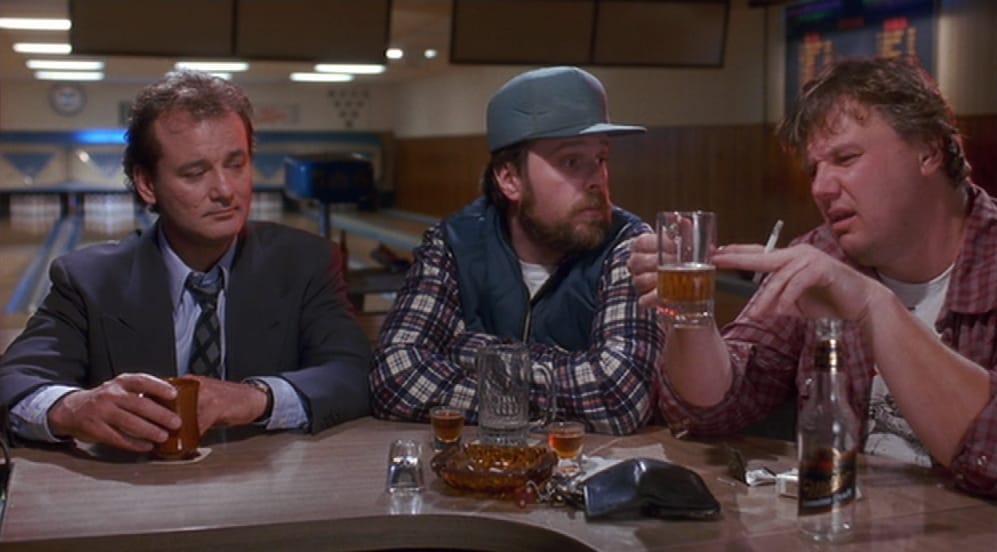
In Groundhog Day, Phil Connors begins as a reactive character, unable to understand why the people of Punxatawny value their holiday tradition, or why the storm he forecast would blow past seems to insist on snowing him in. Once trapped in his time loop, Phil's initial actions are ineffectual and powerless. He's expecting the laws of whatever cosmic weirdness he's stepped into to give in and behave like he wants.
But eventually, after many false starts and attempts to figure out what this supernatural event is trying to tell him, Phil takes to life in the loop differently. A primary example of this comes from the kid he catches falling out of a tree:
"What do you say? You have never thanked me! I'll see you tomorrow."
Phil is no longer attempting to manipulate people, or succumbing to despair. He catches the kid because he knows the kid will fall, and he's chosen to be there to catch him.
This Sisyphus is happy. He has chosen what role he will play in the fabric of this day. He lets go of the need for control or superiority and only in doing that does he make it to his goal of waking up on February 3rd.
Look in the mirror. There's your hero.
When you say Let Them, you make a conscious decision not to allow other people's behavior to bother you. When you say Let Me, you take responsibility for what YOU do next.
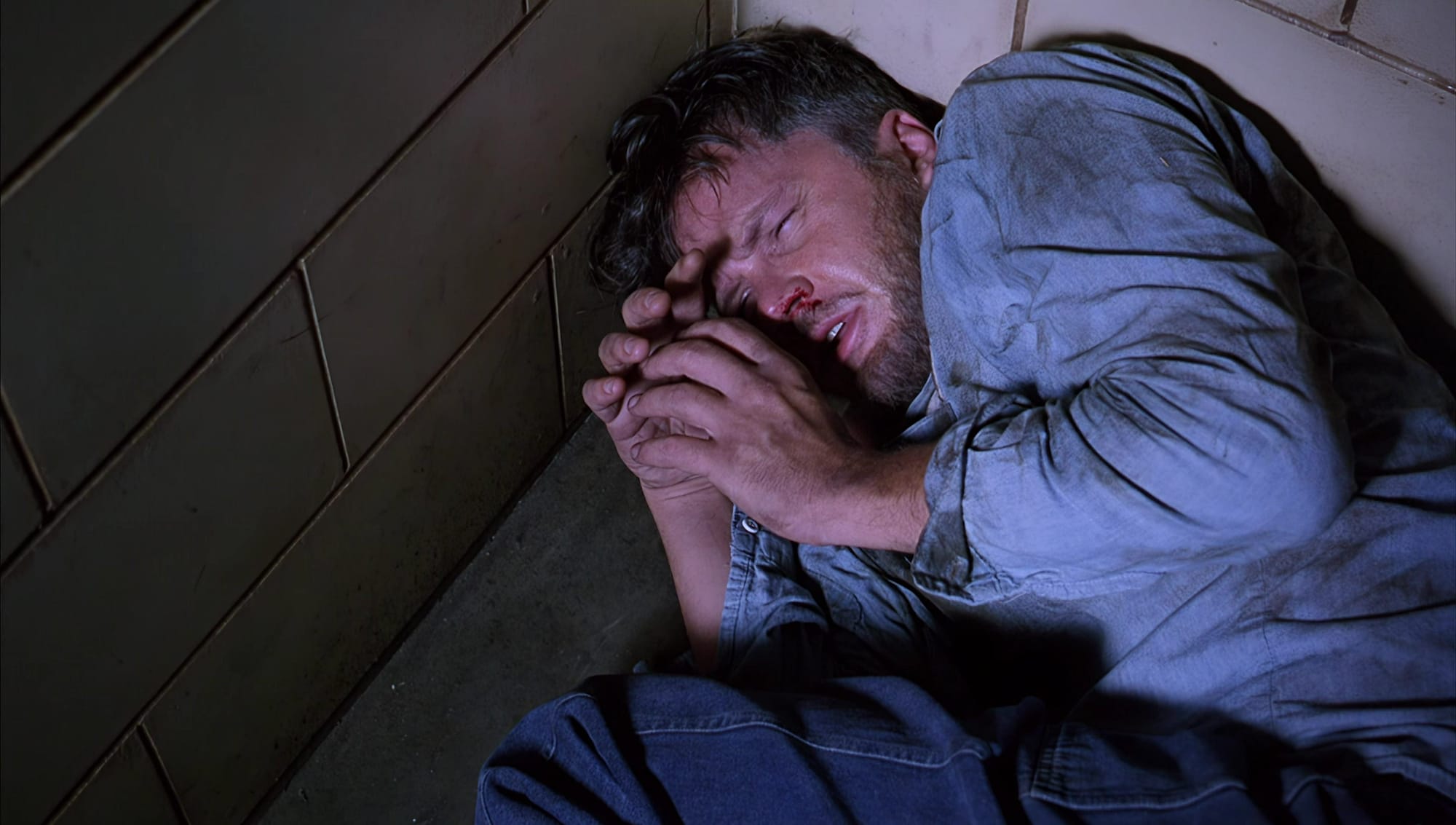
Andy Dufresne in The Shawshank Redemption gets a chance at a reprieve from his sentence when a new prisoner shows up with a story about being cellmate with the actual man who killed Andy's wife. Andy tells the warden, expecting that even if the warden's sense of justice doesn't demand he help Andy win back his freedom, maybe Andy's willingness to do Pro bono work helping the employees of Shawshank commit financial crimes carries weight.
Unfortunately, Andy's only partially correct. His hope that the warden, and many other people in the justice system would hear this new evidence and throw out his conviction falls apart.
And his response basically comes down to Let Them think they've got me under their thumb, but Let Me find my own way to freedom.
Andy's successful tunneling through a wall and out a drainage pipe wasn't his first choice, but it was a choice he made when he took out the middlemen between himself and his freedom.
Throughout the early parts of Moana, the protagonist believes her mission is to find Maui and transport him so that he can restore the heart of Te Fiti to its rightful place.
Which is all fine and good until Maui gets cold feet and bails on Moana.
She's lost her demigod companion, her boat is battered, and the Ocean doesn't seem to want to communicate with her anymore.
Okay. In that case, let them abandon me without finishing the mission. Let me take the heart back myself.
This is the balance of accepting the actions of others while taking responsibility for your own pursuit of your goals. Moana takes the skills she has learned and screws her courage to the sticking place. The world is returned to balance not because Moana exerted herself convincing others to do what she wanted, but by deciding that she was enough. She could do what was necessary, and she made the decision to follow through.
Takeaways
- The transition from surrendering to the will of other people to acting in their own best interest makes a clear character arc for a protagonist. Placing the Let Them/Let Me structure can help suggest ways of dramatizing that conflict.
- Think of an obstacle for your protagonist. How would they handle it if they focused on controlling others? How would they act if they tuned out the noise and directly took ownership of their problem?
- Allies aren't always reliable. What are some ways that a protagonist could overestimate someone's helpfulness? Are they forgetting what they're supposed to be doing because they're trying to manage the team?
👋 Are you new here?
Inneresting is a weekly newsletter about writing and things that are interesting to writers. Subscribe now to get more Inneresting things sent to your inbox.
And if you can't wait until next week for more Inneresting, check out the Quote-Unquote Apps Blog where we keep previous issues and other posts about screenwriting and things interesting to screenwriters.
In case you missed it...
In the most clicked link from our last issue, hannahhellhounddd performs a condensed interpretation of "POV the throwaway best friend character in every fanfic you read in middle school."
What else is Inneresting?
- As counter-programming to the simplified and sanitized historical accounts surrounding Thanksgiving, Latria Graham shares a list of the best books of 2026 by Black and indigenous authors.
- Pure Paste is an indie macOS utility that makes copying text only (without formatting) the system-wide default.
- Brandon Taylor rediscovers the joy in writing by going back to basics – pen, paper, and routine.
And that’s what’s inneresting this week!
Inneresting is edited by Chris Csont, with contributions from readers like you and the entire Quote-Unquote team.
Are you enjoying this newsletter?
📧 Forward it to a friend and suggest they check it out.
🔗 Share a link to this post on social media.
🗣 Have ideas for future topics (or just want to say hello)? Reach out to Chris via email at inneresting@johnaugust.com, Bluesky @ccsont.bsky.social, or Mastodon @ccsont@mastodon.art