💬💬 #297 - Making a Good Conversation
This week's newsletter explores how active listening skills are part of what differentiates intersecting monologues from an Inneresting conversation.

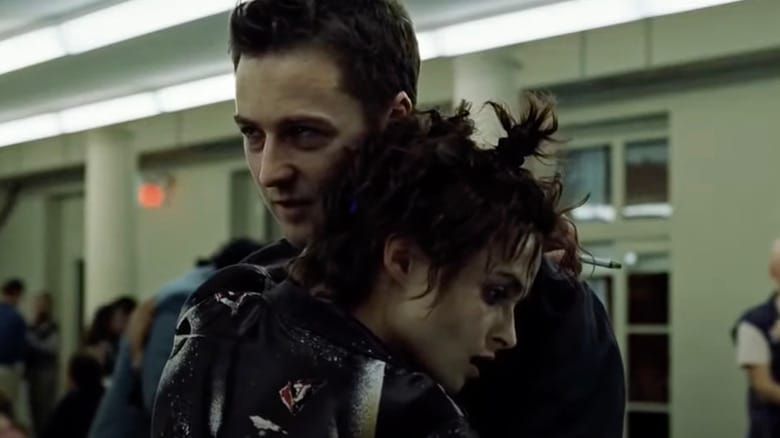
When dialogue is working well, it should feel like Velcro. Those two pieces of conversation, they're designed for each other. They can only exist together, and they're strong when they are together. The lines couldn't exist independently. They would be meaningless. They're informed by what the characters are saying and doing.
— Scriptnotes, Chapter 6 (Dialogue & Exposition)
In a script, characters talk to each other for a purpose. They have a goal and they're using the conversation in pursuit. That doesn't mean that it needs to be dry, direct, and dismissive.
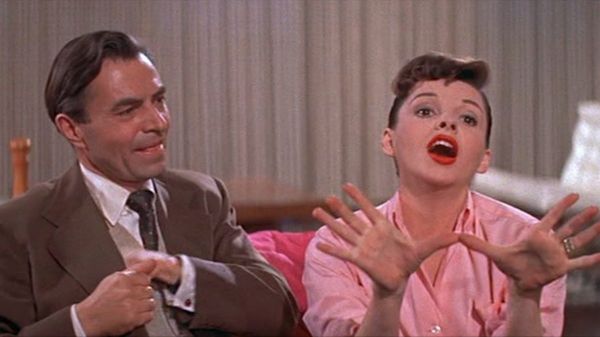
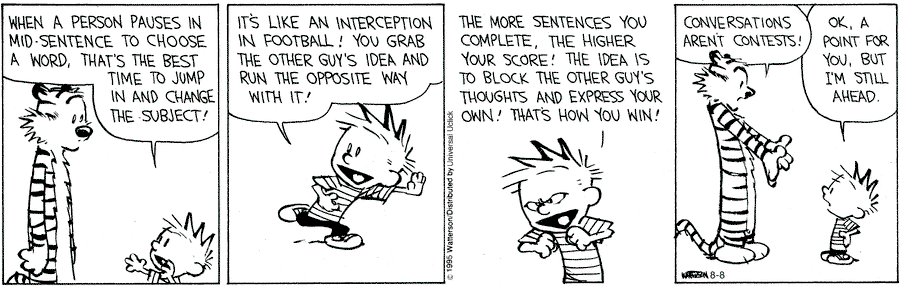
A good conversation involves two engaged parties, even if they're not necessarily equal in all ways. It's not a competition, but a dance where they need to avoid stepping on each other's feet (and better dancers spend less time looking down).
What does it look like in real life when people truly listen to each other? Mary Alice Miller collects prompts to explore what it feels like when you know someone is listening to you, and how to provide that same attention to others. Maggie Mulqueen boils active listening down to five components that include genuine interest in the other person and working to determine what need they're trying to satisfy through the conversation. Scott Conkright considers the barriers to active listening and offers suggested techniques for improving communication and intimacy.
This isn't to suggest that every conversation in every story must feature all the key features of active listening. As these articles make clear, it's not natural for everybody to do this perfectly in every conversation all of the time!
But knowing what a good conversation looks like can also suggest how to write a bad conversation by making it bad for a particular reason.
And now, Jesse and Céline make us all jealous
Before Sunrise is a long conversation over the course of a single night in Vienna. It's an extended seduction between people trying to get into each other's minds more than each other's pants. What makes it work?
The Royal Ocean Film Society focuses on how Linklater's rehearsals become part of the writing process, allowing collaborative revision with actors to make sure lines resonate and conversations flow. Boris Jakovljević looks at the Before trilogy as a whole, pointing out the way that the conversations between the main characters change in tone and purpose as the series moves on.
See an example of this conversational dance from Before Sunset where Jesse and Céline catch up on whether or not either of them made good on their plan to meet back in Vienna a year after they parted in Before Sunrise:
Note the way that they pick up on certain parts of what each other says, but don't try to respond to each part in whole. Also, look at the moment where Jesse's silence clues Céline in to the fact that he hasn't been honest, but he's been deflecting to avoid causing her pain.
It's a conversation where the initial goal has each of them trying to figure out what the other person was doing on the night they planned to reunite, but takes that information and transitions from the details to the emotions, and figuring out what they're supposed to do now that they know the facts.
Solving multiversal conflicts through communication
While there's plenty to say about the structural and technical ingenuity of the film, let's focus on how Everything Everywhere All at Once makes the radical decision to settle a dimension-spanning conflict through active listening.
Language & Film digs into how the film's multilingual approach relates not only to the larger themes of the multiversal confusion, but how it shows schisms between Eleanor and Joy. Jacob Krueger digs deep into this, examining how the opening scenes of the film show characters trying to have engaged conversations, but instead talking over each other or getting sidetracked.
Contrast these fractured conversations with the slower, more deliberate and respectful exchange from the end, where Evelyn and Joy start to reconcile and finally take the time to express love for each other:
Takeaways:
- Characters talk out of desire. A goal can be as direct as wanting to know information from another person, or tricky like setting up a betrayal.
- Make it clear if a character is actually listening when spoken to. What parts do they latch on to? What are they ignoring and why? How does the willingness to listen reflect on the relationship between those characters at that moment?
- Conversational goals change. New information prompts new goals. Are your characters stuck on one topic, or are they pivoting in response to what they're learning?
👋 Are you new here?
Inneresting is a weekly newsletter about writing and things that are interesting to writers. Subscribe now to get more Inneresting things sent to your inbox.
And if you can't wait until next week for more Inneresting, check out the Quote-Unquote Apps Blog where we keep previous issues and other posts about screenwriting and things interesting to screenwriters.
Less doomscroll, more writing goal.
We should all recognize the familiar titles for engagement bait recommended to us in an effort to keep our eyes glued to a screen:
- One Simple Bedtime Ritual That DECIMATES Belly Fat!!! THEY don't want you to KNOW@!!
- Family Guy Cutaway Jokes (part 5)
- The totally UNHINGED reason THAT THING YOU LIKE is actually BAD
Wouldn't you rather spend your scroll with topics like:
- The writing trick that makes Clueless great
- Drew Goddard on protecting what made Project Hail Mary unique
- Greta Gerwig: Make every piece as excellent as it can be
If you haven't already, we'd like to suggest you use whatever force you deem appropriate to activate the Subscribe button for the Scriptnotes YouTube Channel.
In case you missed it...
In the most clicked link from our last issue, Chris Jones let us in on disassociating into his reporter mind as he watched his marriage end over a text thread.
What else is Inneresting?
- Derek from Newfangled shares a deep dive appreciation for the craft and empathy of Batman: The Animated Series.
- B.R. Cohen on "derangements of scale," and the difficulties of our finite mortal selves estimating our impact and importance within the larger universe.
- Vitaliy Katsenelson on budgeting with sinking funds in mind, and the shift in perspective when you prioritize based on your anticipated future.
And that’s what’s inneresting this week!
Inneresting is edited by Chris Csont, with contributions from readers like you and the entire Quote-Unquote team.
Are you enjoying this newsletter?
📧 Forward it to a friend and suggest they check it out.
🔗 Share a link to this post on social media.
🗣 Have ideas for future topics (or just want to say hello)? Reach out to Chris via email at inneresting@johnaugust.com, Bluesky @ccsont.bsky.social, or Mastodon @ccsont@mastodon.art