Is Jason Voorhees a sympathetic monster?
At what point does a monster become frightening for what they do instead of what they represent? Can writers find sympathy in a slasher?

In our previous Inneresting about monstrous characters that also earn the audience's sympathy, we looked at the way that some characters are vilified by the society in their story for the fact of their difference more than any specific action they take.
But at what point are we more concerned about the actions they take than the disruption they represent?
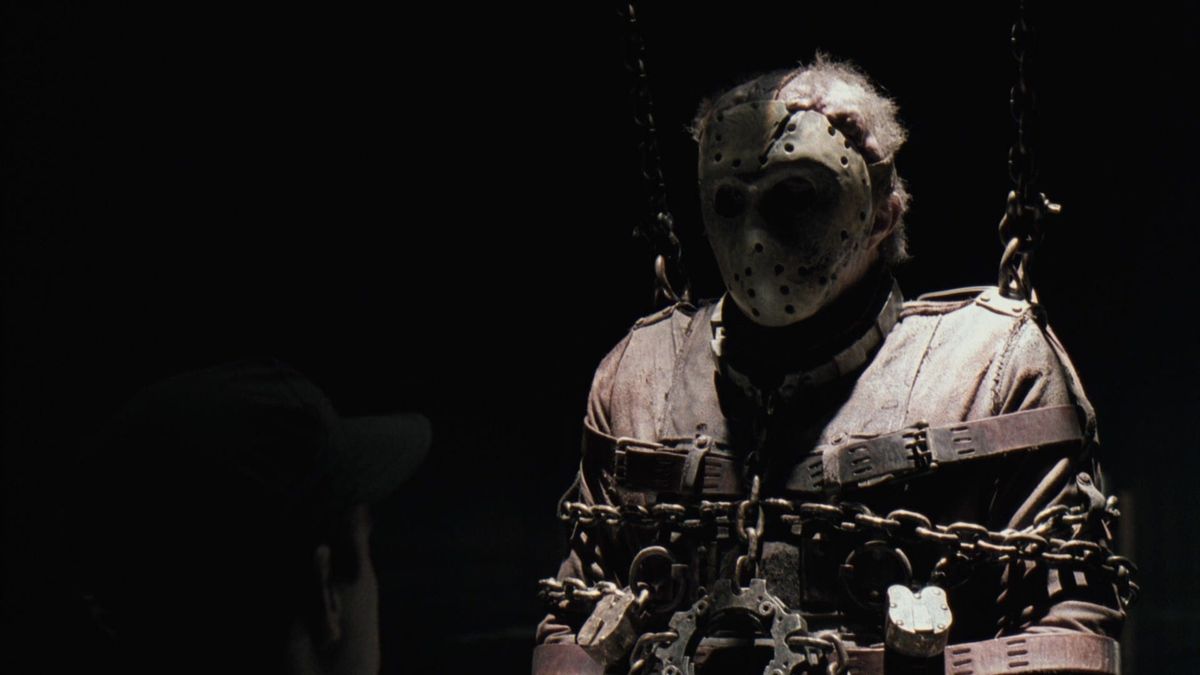
Jason Voorhees from the Friday the 13th franchise presents an interesting problem. He's a relentless and whisper-quiet machine converting teenagers into corpses, but his origin and internal drives ask unsettling questions about how much an audience can identify with a murderer.
David L. Dickey sees Jason as an archetypal scapegoat, and paints a picture of the killer as having sympathetic traits that connect him to Frankenstein’s monster and Quasimodo.
The risen Jason is an incarnate spirit of vengeance for all the oppression, ostracization, humiliation, dehumanization, and victimization he and his mother experienced at the hands of the “more civilized” people around them. His murderous violence knows no bounds and is fueled by a righteous anger that has escalated into unspeakable evil.
sheNEDigans looks at what distinguishes Jason Voorhees from another monstrous slasher, Michael Myers. The main separation comes from motive, where Michael Myers kills indiscriminately like an indifferent angel of death, while Jason is enacting a severe punishment, following something Ned explains as the Sin Effect.
zhyxtheman focuses on the emotional charge motivating both Pamela in the first Friday the 13th, and Jason in the subsequent films: A grieving mother pursues revenge after the supposed death of her son, and the son returns to take up the cause to avenge his mother’s death.
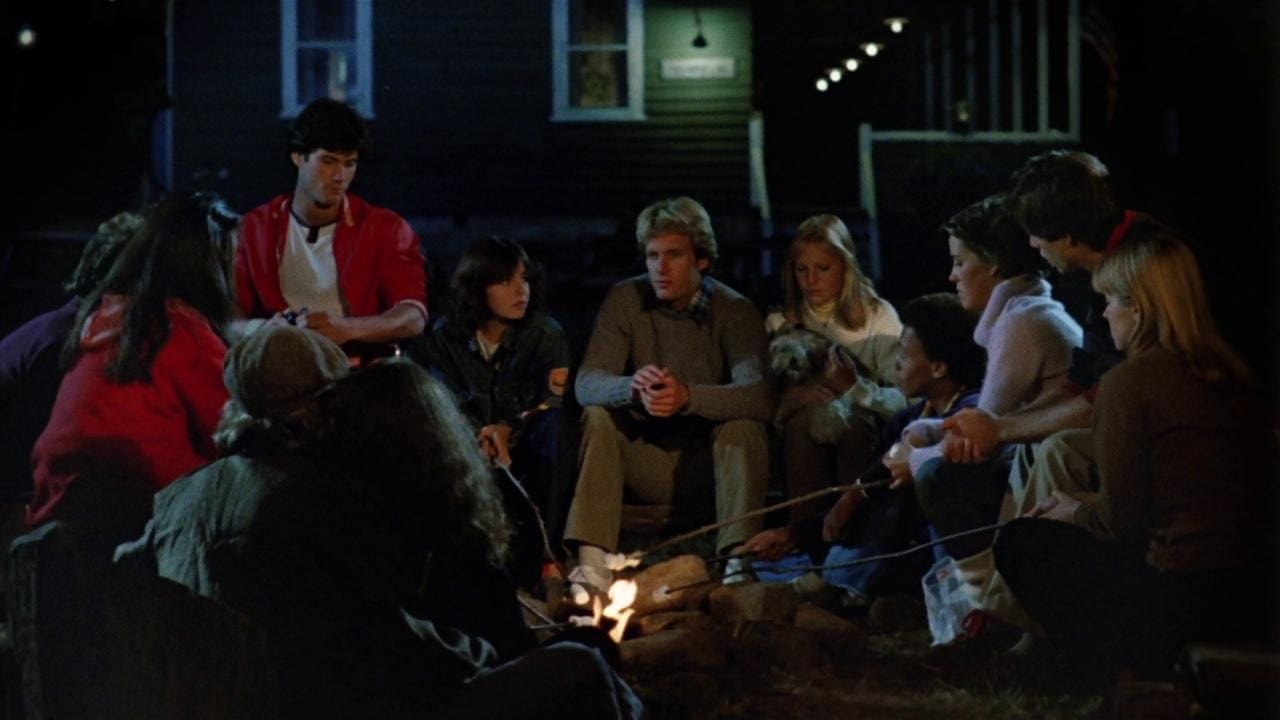
Thesal Thayer gives an Oedipal reading of Jason’s motivations, bundling the way that the circumstances of his apparent death and his mother’s killing create a disturbing but legible engine for his actions:
His mother is dead, yes, but she is always there, her constant murderous encouragements a source of Jason’s potency and energy, the virility he both sublimates into and realizes through assassinations of the sexually active.
Noah Berlatsky sees the Friday the 13th series as a perversion of the coming-of-age film. Instead of depicting the growth of a boy into a man, the films create a cyclical sadomasochistic play where a traumatized boy acts out a hypermasculine identity to inflict retribution on others, but is overpowered and ends up a victim of violence.
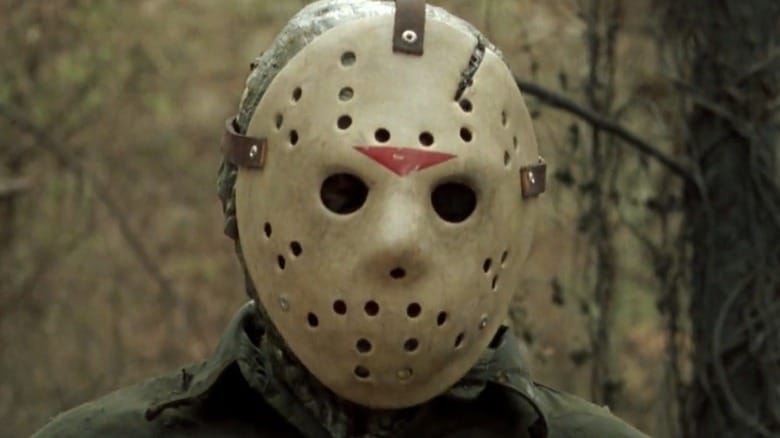
There's a different question we could ask: "Could Jason be a sympathetic monster?"
Sequels and Flanderization move an audience further from the point of greatest possible empathy when young Jason Voorhees drowned while unsupervised. There's plenty of material that could be used in crafting a version of this character that focuses attention completely on the sins of the society that mocked his difference and negligently allowed his death.
At the same time, would that really be the Jason we've come to know? If Jason Voorhees doesn't kill with purpose and tenacity, who is he?