Make good (monster fighting) choices, feat. Attack the Block
Looking for an example of characters surviving horrific monsters through making good choices? Attack the Block offers up an example.

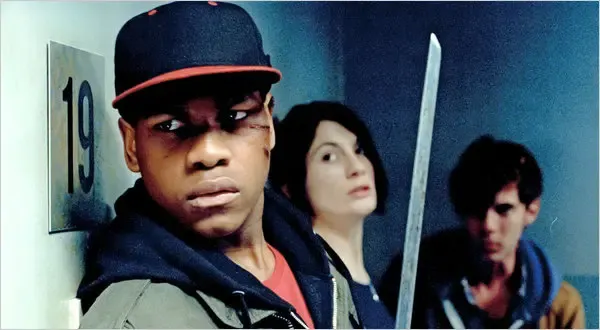
It's Guy Fawkes Day in London, and amid the fireworks come small meteorites crashing to the ground. But they're not just rocks from space: it's monstrous, violent aliens eager to overrun the planet.
And South London's only defense against this threat are kids on bikes.
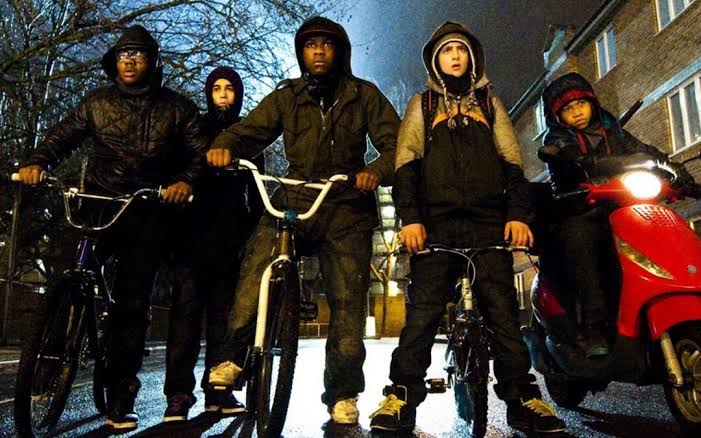
We've previously talked about how smart is too smart for potential victims in a horror story and how to find the balance. Attack the Block shows that balance in action.
These are our heroes, but what's the first thing we see them do? Mug a nurse walking home from work. And the only thing that stops them is when one of the aliens crashes through the roof of a car right next to them.
Moses, the teen in charge, takes a slash across the face from the alien, and promptly decides that first contact is going to come from fists and trainers.
Attack the Block believes that the charisma and quirk of this gang will help the audience latch on and follow them. Without seeing this low point in making good choices, the audience might not appreciate the efforts the group makes to wipe out the alien invaders.
But there's still the balance to remember, because even the smartest decisions take work, and there's never a guarantee that only making good choices will get you out of danger unscathed.
So how do they do it?
Use what's on hand
Everything they use to fight back against the alien monsters are things they already have on hand. Bikes, a moped, fireworks (because Guy Fawkes Day), and a handful of other weapons and weapon-adjacent objects.
It's clean and direct. The things they have and the things they're familiar with. No attempts to supercharge or upgrade what they've got. No wasting time searching for better equipment.
Consider: The best tool for the job isn't always the objectively best tool. Familiarity takes the brainpower out of fighting back, and when a character is already feeling fear, you don't want them trying to learn new skills or trying something untested.
Anyone can be an ally
Samantha starts off the movie getting mugged by Moses and the rest of the gang. You think she'd be the last person who'd want to help out, and not somebody that the others would have confidence in as an ally (even with her skillset as a nurse).
But the police trying to get Samantha to identify her muggers fail to protect her from the creatures, and she only escapes because of the help of Moses and his friends. Then Moses kills one of the monsters that breaks into Samantha's flat. Samantha returns the favor, killing an alien that attacks Moses.
They're not best friends after that, but in an alien invasion they're now willing to fight for each other.
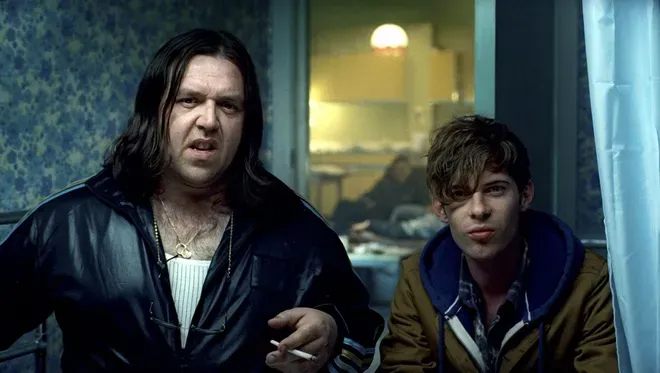
Then there's Ron and Brewis. After killing the first alien that attacked Moses, the gang heads to Ron, the local weed dealer. Why? Because Ron's always watching nature documentaries, so maybe he knows what this thing is.
A frequent customer of Ron's, Brewis, is also there and happens to be a zoology student. A little too convenient? Not when you consider that he's by no means an expert, and he gives off a vibe of "I'm at uni because my dad has money," more than a burning passion for biological science.
They don't seem equipped to handle the moment, but they do help Moses piece together what the aliens want and how to use that knowledge to lay a trap.
Consider: The ally your characters want will do the work for them without complaint or distraction. The ally your story can have fun with has their own goals and allegiances at the beginning of the story.
The protagonist's story interrupts their own. What will make them tag along? Will they stay until the end? When are they helping row the boat at a faster pace, and when are they paddling the wrong way (or going overboard)?
Home field advantage
For the most part, the story stays inside the council block hallways and flats these characters call home. The outside world is limited to walking and biking distance away.
There's a benefit to this, since these characters know the layout and are comfortable moving around. They know about things like the broken gas stove in Moses's flat that will come in handy later.
But there's also a downside: Their families and friends are now more vulnerable.
Consider: Determining where you fight is almost as important as how you fight. If your characters are cut off from their actual home, is there anywhere they've become familiar with during the story itself? A hub of activity or a home base that allows them a chance to at least regroup?
Be clear about the win you want
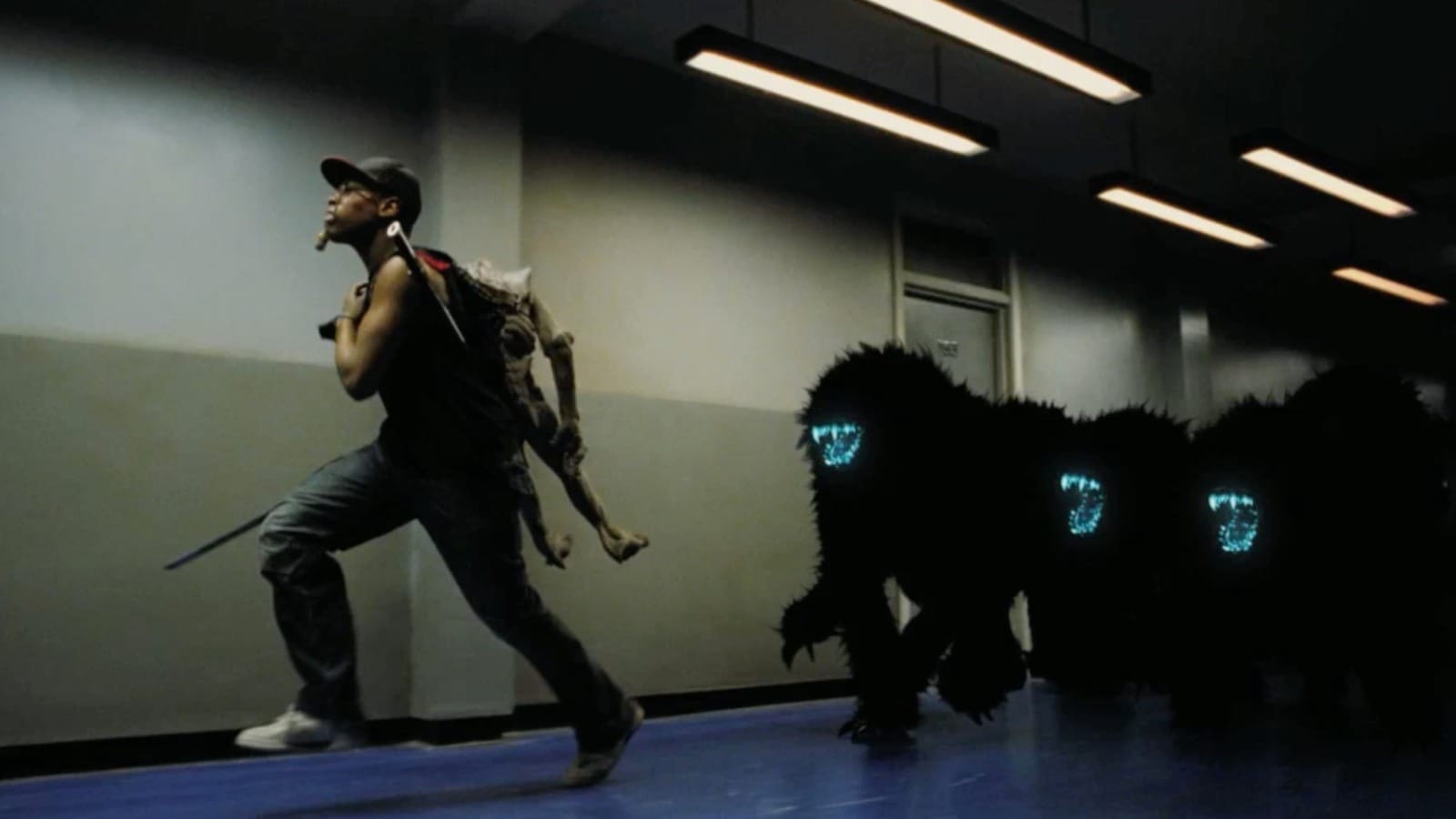
The big plan at the end involves Moses luring the creatures to Moses's flat, where the broken oven has filled the place with gas, then lighting them all up at once with the group's remaining fireworks.
That isn't a plan that Moses is guaranteed to walk away from. But survival isn't the goal. The goal is defending their home and the people who live there.
So when Moses gets arrested at the end with the police accusing him of the murders done by the creatures, he still earned his victory. The creatures are dead, the building's tenants are safe, and every one of them knows who kept them safe.
Consider: The plan that actually works sounds like a suicide mission. No one would actually suggest it if the objective was mere survival. It's a plan based on the understanding that every one of these dayglo-mouthed apes from space are getting blown up.
What are your characters going to take as a win? Is it enough to survive the night? Do they need revenge? Justice? Security in knowing the threat is absolutely gone? Goal determines strategy.